Firewood Suppliers Near AL
Best Firewood Types in Alabama
Firewood needs vary considerably across Alabama's regions. The Tennessee Valley in the north sees the coldest winters and drives the highest cord wood demand. The Black Belt in the center has abundant timber but fewer established delivery operations. The Gulf Coast and Mobile Bay area burns mostly for ambiance rather than heating, making half-cord orders more common than full-cord purchases.
When you're shopping for firewood in Alabama, you'll encounter four primary species that dominate local supply chains: oak, hickory, pine, and sweet gum. Each burns differently, and understanding these characteristics helps you choose the right wood for your needs.
Oak stands as the gold standard for Alabama firewood buyers. White oak and red oak varieties produce roughly 24-28 million BTUs per cord, delivering long, consistent burns ideal for overnight heating. The wood splits cleanly, seasons predictably in Alabama's humidity (though it takes 12-18 months to properly dry), and leaves minimal ash. If you're heating your home through winter or want all-evening fires without constant tending, oak is your workhorse.
Hickory burns even hotter than oak — around 28-30 million BTUs per cord — making it exceptional for high-heat applications. Many Alabama residents prize hickory for smoking meats, but it's equally valuable in wood stoves during cold snaps. The wood is dense and heavy, so expect to pay a premium. Hickory also takes longer to season than oak, but once dry, it produces beautiful coals and minimal smoke.
Pine serves a specific purpose in Alabama firewood stacks. While it only delivers about 15-17 million BTUs per cord, pine ignites quickly and burns hot and fast. Use it for kindling, shoulder-season fires when you need ambiance without overheating your home, or to get hardwood logs started. Never rely on pine alone for heating — it burns through your stack twice as fast as hardwoods and creates more creosote buildup in chimneys.
Sweet gum appears frequently in Alabama firewood lots because it grows abundantly throughout the state. It produces moderate heat (around 20 million BTUs per cord) and burns acceptably once properly seasoned. The challenge? Sweet gum's interlocking grain makes it notoriously difficult to split, and it requires thorough drying to avoid excessive smoke. Many suppliers mix it into cord deliveries at lower prices. It's adequate for casual fireplace use but not ideal if you're heating your home.
Regarding pest concerns, Alabama sits within the southern pine beetle risk zone, though this primarily affects living trees rather than processed firewood. More relevant to firewood buyers: the state participates in emerald ash borer quarantine regulations. While ash isn't a primary firewood species here, always follow the "don't move firewood" guidelines to prevent spreading invasive insects between counties.
Buying Guide & What to Watch For
The single biggest confusion in firewood purchases involves measurement terminology. A full cord measures 128 cubic feet — specifically 4 feet high, 4 feet deep, and 8 feet long of stacked wood. That's the legal standard. A face cord (also called a rick) measures 4 feet high and 8 feet long but only 16 inches deep — exactly one-third of a full cord. Some sellers advertise face cords at prices that seem competitive until you realize you're getting a third of the wood.
When someone quotes you a price, always confirm: "Is that for a full 128-cubic-foot cord?" Reputable suppliers will answer clearly. Vague responses like "it's a truckload" or "a cord of wood" without specifying dimensions should raise red flags. The cost of firewood delivered in Alabama varies by wood type, seasoning method, and delivery distance, but understanding the measurement prevents overpaying by 200% or more.
Properly seasoned firewood contains 20% moisture content or less. You can verify this before accepting delivery using an inexpensive moisture meter (available at any hardware store for under $25). Insert the meter's prongs into a freshly split face — not the bark side or cut end — of several pieces. Readings consistently above 20% mean the wood will smoke excessively, produce less heat, and create dangerous creosote deposits.
Visual indicators also tell the story. Seasoned wood shows cracks (called "checking") radiating from the center on the cut ends. The wood feels noticeably lighter than green wood and produces a sharp, hollow sound when two pieces strike together. The bark often loosens or falls off. If the wood feels heavy, looks bright and fresh on the cut ends, or lacks end checking, it needs more drying time regardless of what the supplier claims.
Kiln-dried firewood offers an alternative worth considering. Suppliers use industrial kilns to reduce moisture content to 10-15% in days rather than months. Kiln dried firewood delivery Alabama services charge 30-50% more than seasoned wood, but you get immediately burnable wood with higher heat output and virtually no smoke. If you're buying firewood mid-season because you ran short, or if you're hosting an event this weekend, kiln-dried removes the seasoning gamble. For routine heating needs, properly seasoned firewood Alabama suppliers offer better value.
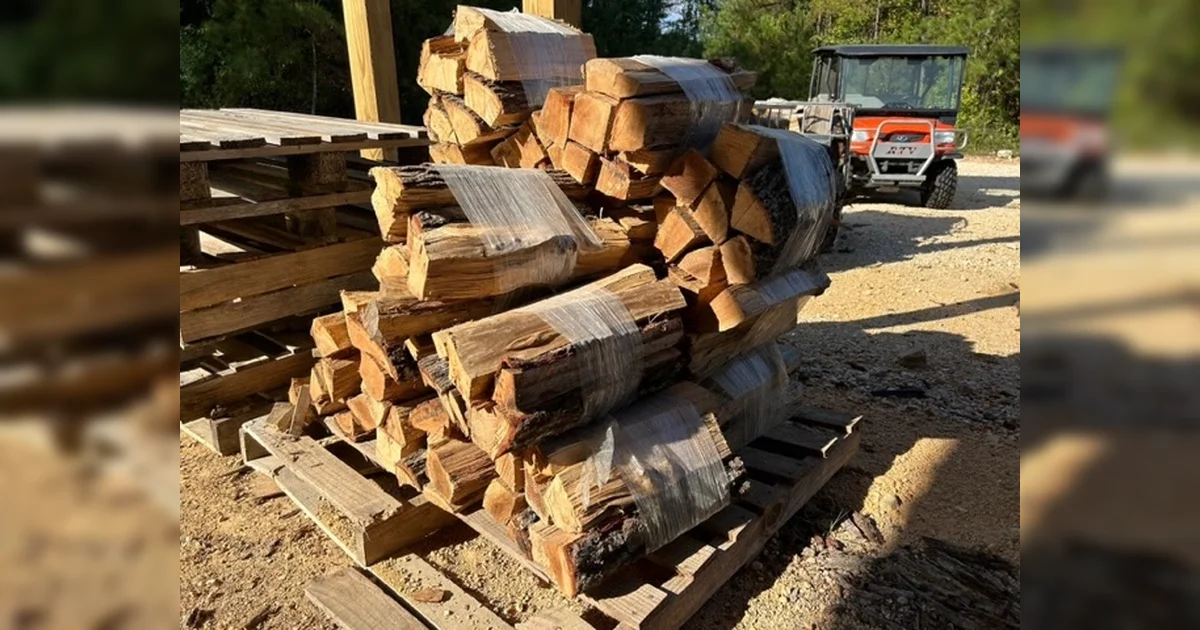
The split firewood delivered option matters more than most buyers realize. Splitting wood yourself saves money but requires time, tools, and physical effort. Most suppliers deliver split and ready to burn. Confirm the piece length matches your firebox — 16 inches is standard for most stoves and fireplaces, but some buyers need shorter cuts. Also ask whether the supplier will stack the wood or just dump it. Having your cord of firewood delivered and stacked costs extra but saves hours of backbreaking labor.
Alabama-Specific Considerations
Alabama's climate creates both advantages and challenges for firewood buyers. The state's humid subtropical conditions mean freshly cut wood seasons more slowly than in arid Western states. That oak log that would dry in 8 months in Colorado might need 14-16 months in Alabama, especially in southern counties with higher humidity. This makes buying seasoned firewood Alabama suppliers have prepared ahead of time particularly important — you can't just cut green wood in October and burn it in December.
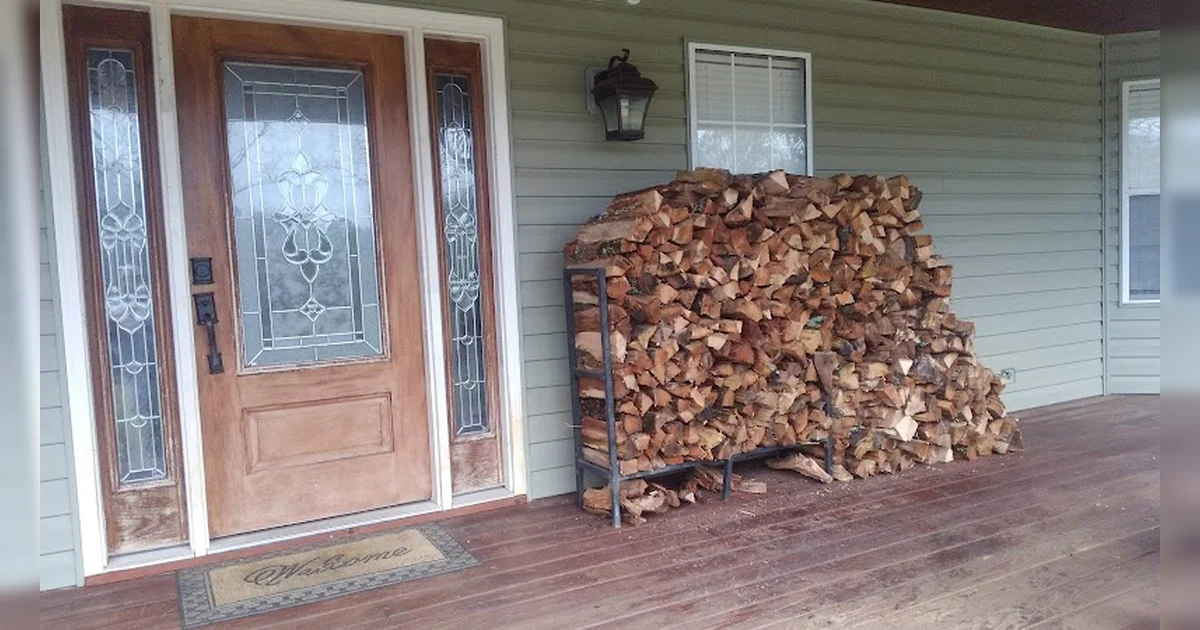
The humidity also means proper storage matters enormously. Stack your wood off the ground (use pallets or rails) with the top covered but sides exposed to airflow. Wood stored directly on Alabama soil or completely covered with tarps will absorb moisture and develop mold. Many suppliers who offer firewood delivered to your door will advise on storage, but the basic principle remains: airflow prevents moisture problems.
Alabama participates in firewood transport regulations designed to prevent spreading invasive forest pests. The general rule: don't transport firewood more than 50 miles from where it was cut. This "buy it where you burn it" principle protects Alabama's forests from insects and diseases that hitchhike in bark and wood. When you order firewood near me from local suppliers, you're not just supporting your community — you're following best practices that protect the state's timber resources.
The mild Alabama winters compared to northern states mean many residents use firewood for ambiance and supplemental heating rather than primary home heating. This affects how you should shop. If you're burning fires occasionally on cold weekends, a half-cord of quality oak lasts most households an entire season. If you're heating a home primarily with wood, expect to burn 3-5 full cords between November and March, depending on your home's size and insulation.
Supply in Alabama tends to tighten in late fall as demand surges. The best time to arrange bulk firewood delivery is late spring or summer when suppliers offer better prices and fuller inventory. Buying ahead also ensures the wood has maximum time to finish seasoning in your shed before burning season arrives.
Finding the Right Supplier
When contacting potential suppliers, ask these specific questions before committing to a cord of wood delivered price:
What's the moisture content? Accept only verifiable answers. "It's been sitting for a while" isn't good enough. Look for responses like "tested at 18% moisture" or "kiln-dried to 12%." Better suppliers will let you test samples with your own meter before accepting delivery.
Which wood species am I getting? Mixed loads can work fine if the mix consists of quality hardwoods like oak and hickory. Be cautious about loads heavily weighted toward sweet gum or pine unless the price reflects the lower heat value.
Do you stack, or is this dump-and-go delivery? Know what you're paying for. Firewood delivered and stacked costs more but might be worth it if you lack time or physical ability to stack a cord yourself.
What's your delivery radius, and what are the fees? Local firewood delivery within 20 miles often comes free or cheap with minimum orders. Longer distances increase costs. Calculate whether the per-cord savings from a distant supplier gets eaten up by delivery charges.
What's your refund policy if the wood is green? Reputable suppliers stand behind their product. If you can demonstrate high moisture content upon delivery, they should replace it or refund your money.
Buying from local suppliers provides advantages beyond convenience. Local operations typically source wood within the immediate area, supporting Alabama forestry businesses and reducing environmental impact. They're also more accountable — a supplier located in your county cares about reputation in ways a distant broker doesn't. When issues arise, you can drive to their yard rather than disputing charges with an out-of-state call center.
The suppliers listed in this directory serve communities throughout Alabama, from Birmingham and Tuscaloosa to smaller towns across the state. Many offer online ordering systems that let you compare prices and services from home. Browse the listings to find verified suppliers near you, read reviews from other Alabama residents, and connect with businesses that understand local wood characteristics and delivery expectations.
Whether you're heating your home through winter, enjoying weekend fires, or maintaining an outdoor fire pit, choosing the right supplier makes all the difference between a satisfying firewood season and constant frustration. Take time to ask questions, verify seasoning claims, and establish a relationship with a reliable local provider. Your future self — warm by the fire with properly burning wood — will appreciate the effort.

Tom is a certified hearth professional with over two decades of experience advising homeowners on wood-burning appliances and fuel selection.
Statewide Map
Browse by City
Auburn
1 suppliers
Birmingham
2 suppliers
Brewton
1 suppliers
Chelsea
1 suppliers
Childersburg
1 suppliers
Dothan
1 suppliers
Eight Mile
1 suppliers
Gadsden
1 suppliers
Glenwood
1 suppliers
Guin
1 suppliers
Harvest
1 suppliers
Heflin
1 suppliers
Maplesville
1 suppliers
Meadowbrook
1 suppliers
Mobile
1 suppliers
Monroeville
1 suppliers
Montgomery
1 suppliers
Ohatchee
1 suppliers
Opelika
1 suppliers
Pelham
1 suppliers
Pell City
1 suppliers
Pike Rd
1 suppliers
Prichard
1 suppliers
Robertsdale
1 suppliers
Saraland
1 suppliers
Tuscaloosa
2 suppliers
Woodstock
1 suppliers