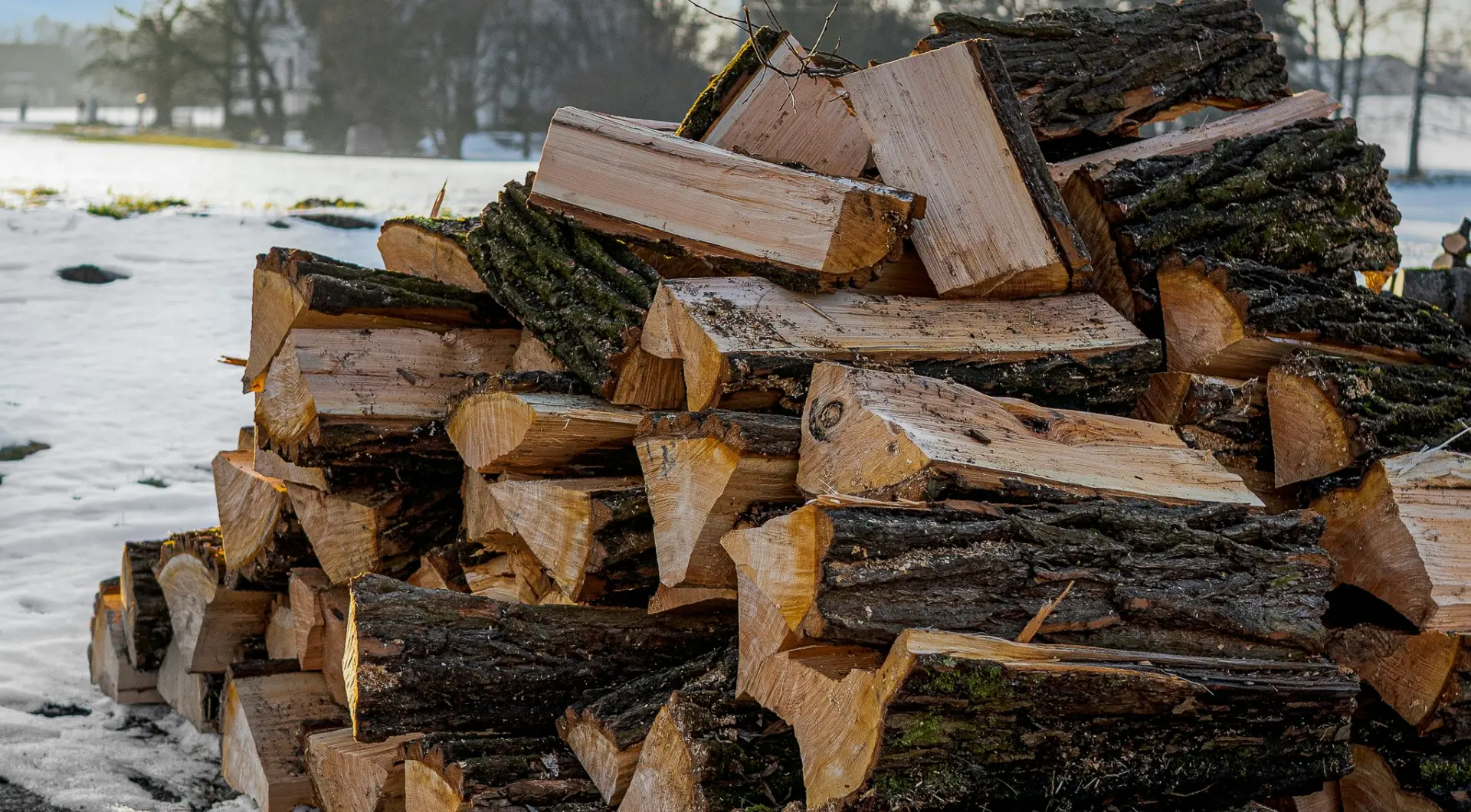
Firewood Suppliers Near Anchorage, AK
Find 2 verified firewood suppliers in Anchorage.
Getting Firewood to Your Anchorage Home
If you heat with wood or rely on a fireplace to supplement your heating during Anchorage's long winters, sourcing quality firewood is essential. The challenge isn't just finding wood—it's getting seasoned, reliable firewood delivered to your door before the heavy freeze sets in. Local delivery services handle the legwork, but knowing what to order and what to expect makes the process straightforward.
Anchorage residents typically pay between $300–$450 per cord for delivered, seasoned firewood, depending on wood type and delivery distance from the supplier. Some neighborhoods on the city's outskirts may see slightly lower pricing, while central Anchorage and gated communities may pay a premium for convenience. Stacking and unloading services vary by supplier—confirm whether your delivery includes placement in your desired location.
Best Firewood Species for Alaska Winters
Birch is the workhorse of Anchorage heating. It burns hot, produces around 24 million BTUs per cord, and splits cleanly—critical when you're processing cords by hand. Birch also seasons faster than spruce, typically reaching 20% moisture content in 12–14 months, which matters if you're planning ahead for next season.
Spruce is abundant across Alaska and delivers roughly 18–20 million BTUs per cord. It's lighter to handle than birch and seasons adequately for reliable heating, though it produces more creosote buildup in chimneys. Always have your chimney inspected annually if burning spruce regularly.
Avoid cottonwood for primary heating—it's softer, produces only 15 million BTUs per cord, and creates excessive ash and smoke. It's fine as supplemental kindling or for mild shoulder-season fires.
Delivery Logistics and Minimums
Most local firewood suppliers in Anchorage deliver in increments of 1/4 cord, 1/2 cord, or full cord (128 cubic feet). A full cord stacked neatly occupies roughly 4 feet high × 8 feet long × 4 feet deep. Before ordering, measure your storage space and consider how long you'll burn—a household running a primary wood stove might consume 3–5 cords over a winter.
Delivery timing matters. Late September through October sees peak demand; suppliers may have longer wait times or fuel surcharges. Order by mid-August if possible. Most deliver within 1–2 weeks during off-peak periods. Confirm whether the supplier stacks the wood or leaves it in a pile—stacking adds labor but saves you hours of work.
Verifying Seasoned Wood Quality
Don't assume delivered wood is properly seasoned. Inspect before paying: split logs should show cracks radiating from the center, a sign of low moisture content. Wood should feel light relative to its size. Strike two logs together—seasoned wood rings hollow; green or wet wood thuds dully. A moisture meter (under $20) removes guesswork; aim for 20% moisture or lower.
When ordering, specify "seasoned" and ask the supplier how long their wood has been drying. Reputable local suppliers stand behind moisture guarantees.
Local Sourcing and Pest Concerns
Alaska's forest health depends on avoiding pest transport across regions. The state's primary concern is bark beetles, which affect spruce and can spread rapidly in stressed trees. Buy firewood within 50 miles of Anchorage when possible—local sources reduce risk of introducing pests to your area. Inspect delivered logs for bark beetle exit holes (tiny, perfectly round punctures) and avoid suspicious batches.
Local firewood suppliers like Tall Trees and Best Split Firewood offer Anchorage-sourced or regionally harvested wood, ensuring you're supporting the local heating economy while minimizing environmental risk.

Sarah has 15 years of experience in the firewood industry, specializing in regional sourcing and supplier evaluation across North America.