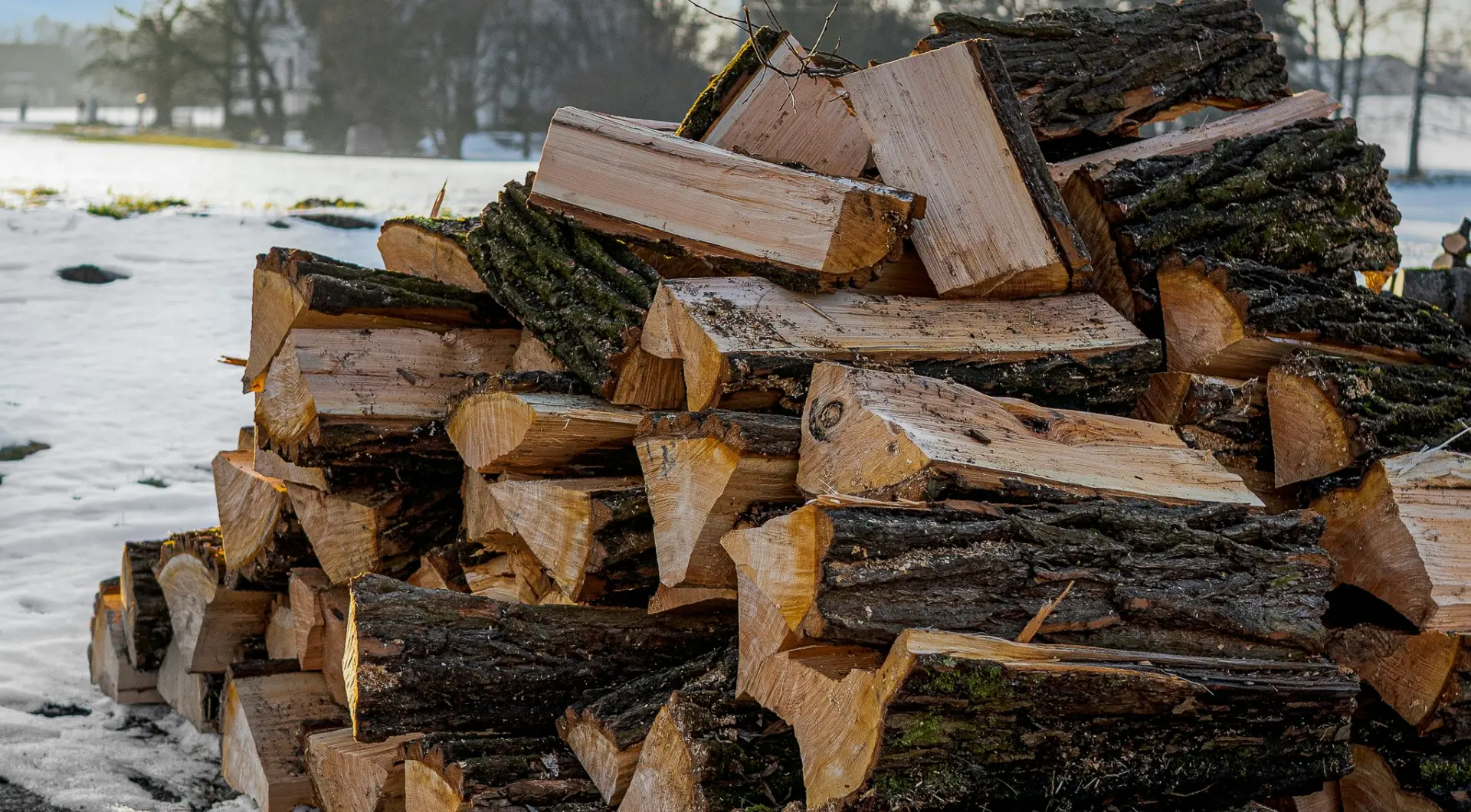
Firewood Suppliers Near AK
Your Complete Guide to Buying Firewood in Alaska
Demand is strongest in the Matanuska-Susitna Valley, the Kenai Peninsula, and the Fairbanks North Star Borough, where long winters and remote properties make a reliable local supplier essential. Interior Alaska buyers often stockpile 6–8 cords for primary heat; coastal and Southcentral residents typically need 2–4.
Alaska's heating season isn't just a few months—it's most of the year. When you're facing temperatures that regularly dip below zero and darkness that stretches for months, having a reliable firewood supply becomes essential, not optional. Whether you're heating your cabin in Fairbanks or supplementing your Anchorage home's heating system, understanding what makes quality Alaska firewood is the difference between a cozy winter and constant frustration.
The Last Frontier presents unique challenges for firewood buyers. Our extreme climate affects how wood seasons, our isolation impacts pricing and availability, and our ecosystems require careful attention to what we burn and where it comes from.
Best Firewood Types in Alaska
Alaska's boreal forests give us three primary firewood options, each with distinct characteristics that matter when you're burning wood through eight-month winters.
Birch is Alaska's gold standard for home heating. Both white birch and paper birch deliver around 20-24 million BTUs per cord—respectable heat output that rivals hardwoods from the Lower 48. Birch splits cleanly, seasons in about 6-8 months when properly stacked, and produces minimal creosote buildup. The bark ignites quickly (almost too quickly when dry), making birch excellent for getting stubborn fires started on -40° mornings. You'll pay premium prices for birch firewood delivery Alaska, but the even, sustained heat justifies the cost when you're heating full-time.
Birch does have quirks. It rots faster than spruce if left exposed to ground moisture, so proper stacking matters. The bark peels and creates mess, though many folks save the papery strips for fire-starting material. When you're shopping for seasoned firewood Alaska, birch should feel noticeably lighter than green wood and show deep radial cracks on the ends.
Spruce (white spruce and Sitka spruce) makes up much of Alaska's accessible forest. It's softer wood, delivering roughly 15-18 million BTUs per cord—about 25% less heat than birch. Spruce burns faster and hotter initially, then dies down quicker. This makes it ideal for shoulder season heating in September and April when you want quick warmth without the sustained output. Many Alaskans mix spruce with birch: use spruce to get the fire roaring, then load birch for overnight burns.
Spruce has advantages beyond availability. It seasons faster than birch (4-6 months), costs less, and produces that classic woodstove smell many people love. The resin content means more creosote than birch, so chimney maintenance becomes more critical. If someone offers you a cord of firewood delivered Alaska at a suspiciously low price, it's probably spruce—not a scam, just less heat value.
Cottonwood is Alaska's emergency firewood. At 13-15 million BTUs per cord, it's the lowest heat output you'll find locally. Cottonwood burns fast, pops aggressively (sending sparks), and creates substantial ash. However, it seasons quickly (3-4 months), splits like butter, and costs the least. If you're new to Alaska and need affordable wood while you build up a proper supply for next year, cottonwood gets you through. Just plan on burning about 30% more volume than you would with birch.
One pest concern worth noting: the spruce beetle has devastated millions of acres across southcentral and interior Alaska. Dead standing spruce from beetle-killed areas makes excellent firewood—it's already dry. Just ensure your supplier isn't harvesting from areas under quarantine for other invasive species. Alaska doesn't have Emerald Ash Borer or Spongy Moth yet, and we'd like to keep it that way.
Buying Guide & What to Watch For
The firewood business attracts both honest operators and people looking to make quick cash from newcomers who don't know better. Here's how to avoid the common traps.
The face cord scam happens everywhere, but it's particularly prevalent in tourist-heavy areas around Anchorage and during housing booms. A full cord measures 128 cubic feet—a stack 4 feet high, 4 feet deep, and 8 feet long. A face cord is 4 feet high and 8 feet long but only 16 inches deep (one log-length deep). That's one-third of a full cord. Some sellers advertise "cords" at suspiciously low prices, deliver face cords, and claim that's what they meant all along.
Always clarify: "Are we talking about a full cord—128 cubic feet—or something else?" Legitimate suppliers will clearly state "full cord" or "half cord." If someone says "cord" without the "full" qualifier and the price seems too good, you're probably looking at face cords. The cost of firewood delivered shouldn't vary wildly between suppliers for the same wood type and service level.
Moisture content determines whether you're buying firewood or expensive smoke. Properly seasoned wood measures 20% moisture or less. Wood above 25% moisture won't burn efficiently—you'll get weak fires, heavy smoke, and rapid creosote buildup that risks chimney fires. This matters more in Alaska because our short summers and cool temperatures mean wood seasons slowly compared to warmer states.
When evaluating seasoned firewood Alaska suppliers promise, look for:
- Deep radial cracks (checking) on the cut ends
- Bark that's loose or falling off
- A hollow sound when you bang two pieces together
- Lighter weight compared to green wood
- Darkened, weathered ends
Don't trust "seasoned" claims at face value. Ask when the wood was cut and how it was stored. Wood split in April and sold in September probably isn't ready, especially if it's birch. If you're serious, buy a $20 moisture meter from any hardware store. Stick the pins into a freshly split face (not the end or bark)—readings should be under 20%.
Kiln-dried vs. air-seasoned represents your choice between premium convenience and patience. Kiln dried firewood delivery Alaska costs 30-50% more than air-seasoned, but you're guaranteed low moisture content (often 10-15%) and eliminated pests. For folks who need wood immediately or who lack storage space to season wood properly, kiln-dried makes sense. It also burns slightly hotter and cleaner.
Air-seasoned wood, given proper time and stacking, performs nearly as well and costs less. Most Alaskans buy seasoned wood in late summer, stack it in a covered area, and plan one year ahead. Buy this year's wood for next year's burning. That said, when you need firewood delivered and stacked Alaska-style (meaning you want to use it this week), kiln-dried is worth the premium.
Pricing reality: Alaska firewood costs more than the Lower 48 because of harvest costs, shorter harvesting seasons, and transportation challenges. A cord of wood delivered price varies by region—Fairbanks and Anchorage have more competition and access, while bush communities pay significantly more. Expect to pay more for birch than spruce, more for kiln-dried than seasoned, and more for split firewood delivered than for rounds you cut yourself. Stacking services add cost but save your back.
Be suspicious of prices far below the local average. That wood might be unseasoned, under-measured, or low-quality species being passed off as premium.
Alaska-Specific Considerations
Buying firewood here isn't like buying it in the Midwest or Northeast. Our environment creates unique factors you need to understand.
Seasoning challenges: Alaska's climate is a paradox for firewood. Our low humidity helps wood dry, but our cool temperatures and short summers slow the process. Interior Alaska (Fairbanks area) with its extreme temperature swings and low humidity actually seasons wood faster than southcentral (Anchorage/Mat-Su) where maritime moisture lingers. Wood stacked in May might be ready by October in Fairbanks but needs until the following May in Juneau.
Always stack firewood off the ground (pallets work great) with the cut ends exposed to prevailing winds. Top-cover to shed rain, but leave sides open for airflow. In coastal areas, plan 12-18 months for birch to season properly. Interior locations can get away with 8-12 months if the wood is split small.
Firewood transport regulations: Alaska takes firewood movement seriously because invasive pests and diseases hitch rides on logs. The state advises against transporting firewood more than 50 miles from where it was cut. This protects our forests from spruce bark beetles, wood borers, and diseases that aren't established everywhere yet.
When you order firewood near me through local suppliers, you're automatically complying with these guidelines. But if you're tempted to haul wood from your cabin to your house across regions, or if someone offers you cheap wood from "up north," understand the risks. Spruce beetle zones are serious, and moving infested wood spreads the problem.
Supply and availability: Most firewood cutting happens during summer months when roads are passable and ground is dry enough for equipment. Suppliers build inventory through summer and sell through winter. By March and April, many suppliers run low or out entirely. Smart buyers order bulk firewood delivery in August or September for the whole winter. Waiting until November means limited selection, potential shortages, and premium pricing.
Alaska's small population and vast geography also mean that firewood delivered to your door might involve significant travel for the supplier. Delivery minimums (sometimes 2+ cords) are common outside urban areas. Plan accordingly and consider splitting orders with neighbors if you don't need full cords.
Finding the Right Supplier
Not all firewood suppliers operate the same way. Before you commit to a cord of firewood delivered Alaska-style, ask these questions:
About the wood itself:
- What species is this? (Birch, spruce, or cottonwood—be specific)
- When was it cut and split?
- What's the moisture content? (Ask for meter readings or guarantees under 20%)
- Is it kiln-dried or air-seasoned?
- What are the log lengths? (16" is standard for most stoves, but verify)
About measurement and delivery:
- Are we talking full cords or something else?
- How do you measure? (Reputable suppliers stack and measure in front of you or provide photos)
- What's included in delivery? (Just dumped, or stacked?)
- How far do you deliver, and are there minimums?
- What's your refund policy if I'm not satisfied?
About their operation:
- How long have you been selling firewood?
- Do you cut your own or source from multiple suppliers?
- Can you provide references or show me your online reviews?
Local matters more in Alaska than almost anywhere. A local firewood delivery service knows the wood, understands the climate, responds when you have issues, and keeps money in your community. The supplier who cuts wood on their property near Palmer and delivers to Wasilla has skin in the game. They're your neighbor. They care about reputation because they'll see you at the grocery store.
Larger operations spanning multiple regions can offer convenience and consistency, but local suppliers often provide better value, more flexibility on delivery timing, and wood that's adapted to your specific area's burning needs.
Ready to find your firewood supplier? Browse our directory of verified Alaska providers across Anchorage, Fairbanks, Wasilla, Palmer, and beyond. Each listing includes wood types offered, service areas, delivery options, and real customer reviews. Whether you need a single cord delivered and stacked this week or want to arrange bulk delivery for the whole winter, you'll find suppliers ready to help. Stop guessing and start burning quality wood that keeps you warm through the long Alaska winter.

Marcus holds a degree in forestry and has consulted with firewood operations and state agencies on sustainable wood fuel practices since 2008.