Firewood Suppliers Near Stowe, VT
Find 1 verified firewood supplier in Stowe.
Firewood Delivery in Stowe, VT: What You Need to Know
Stowe's cold winters mean most homes rely on wood stoves, fireplaces, or backup heating—and that requires reliable firewood. Whether you're heating a cabin or supplementing your home's primary system, ordering seasoned hardwood delivered to your door beats scrambling for supplies mid-winter. Local delivery typically costs $250–$350 per cord in Stowe, depending on wood type, quantity, and how far the supplier travels into town.
Choosing the Right Wood for Stowe's Climate
Birch and maple are your best bets for the Upper Valley. Birch burns hot and catches quickly, making it ideal if you're starting fires frequently or need immediate warmth—it produces around 20 million BTUs per cord. Maple is denser and burns longer, releasing steady heat over several hours. Both species are abundant locally and season well in Vermont's dry climate. Beech is another solid option, though it's harder to split and takes longer to dry. Avoid softwoods like pine or spruce for primary heating; they create excessive creosote buildup in your chimney, which increases fire risk and cleaning costs.
Understanding Delivery & Cord Sizes
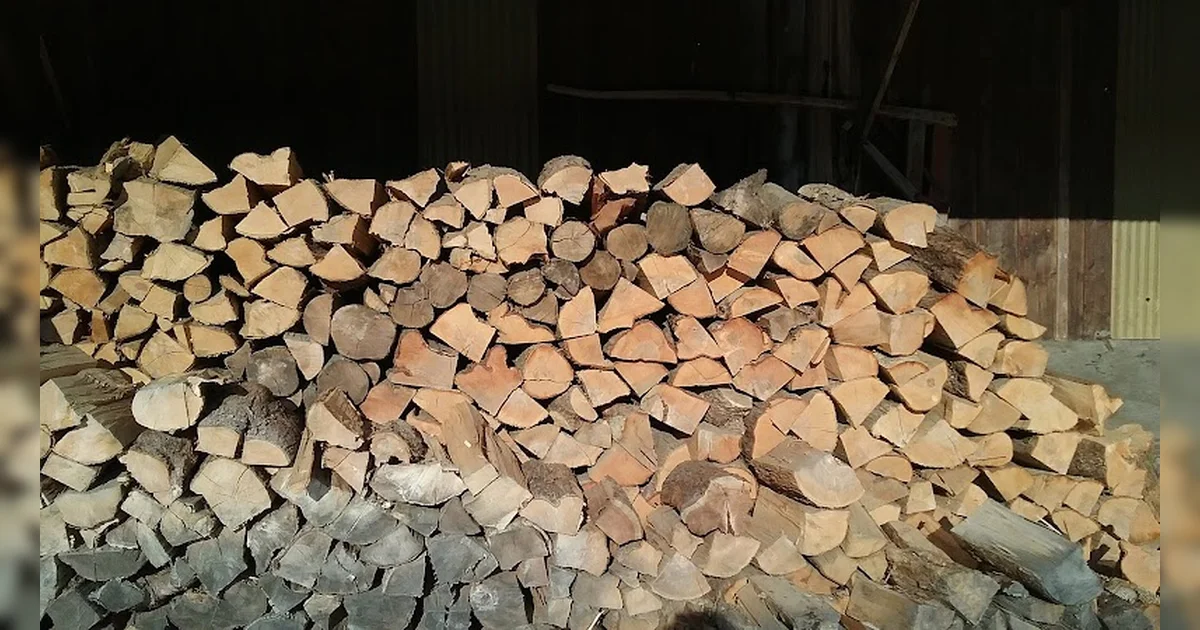
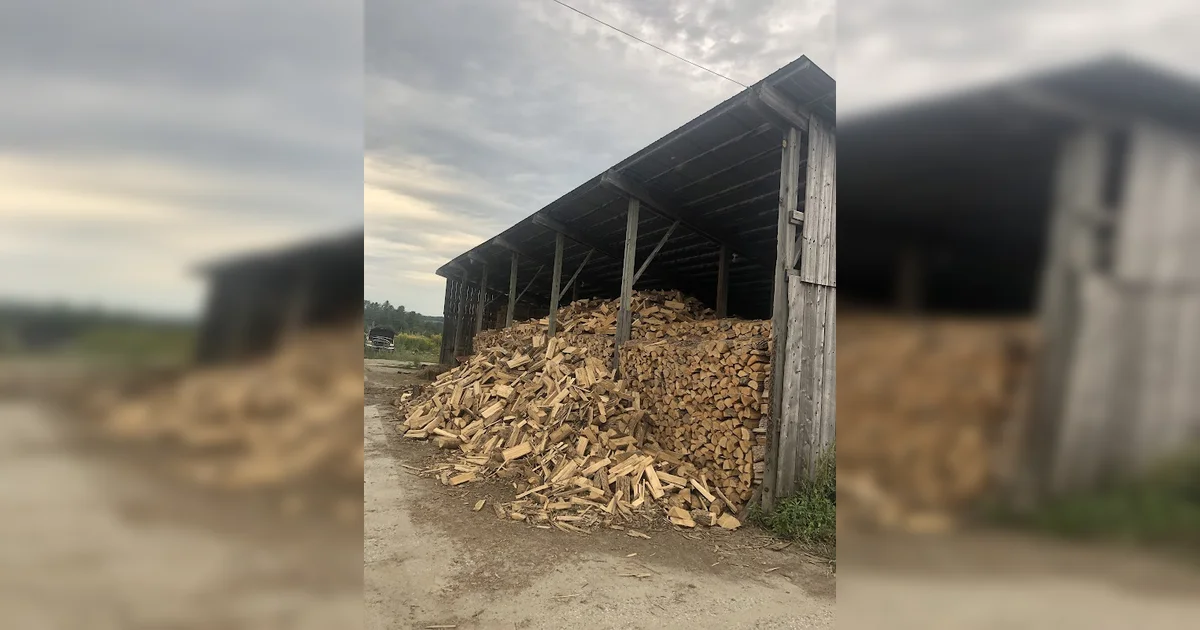
When you order firewood delivered and stacked in Stowe, clarify what you're actually getting. A full cord is 128 cubic feet (4 feet high, 4 feet deep, 8 feet long). Many suppliers also offer half cords or quarter cords, which work well if you're heating a smaller space or want to test a supplier before committing to a full load. Ask whether stacking is included—professional stacking saves your back and protects the wood from moisture. Delivery typically takes 1–2 weeks depending on the supplier's schedule and local demand. Late fall is peak season, so order by September if possible.
Spotting Seasoned Firewood
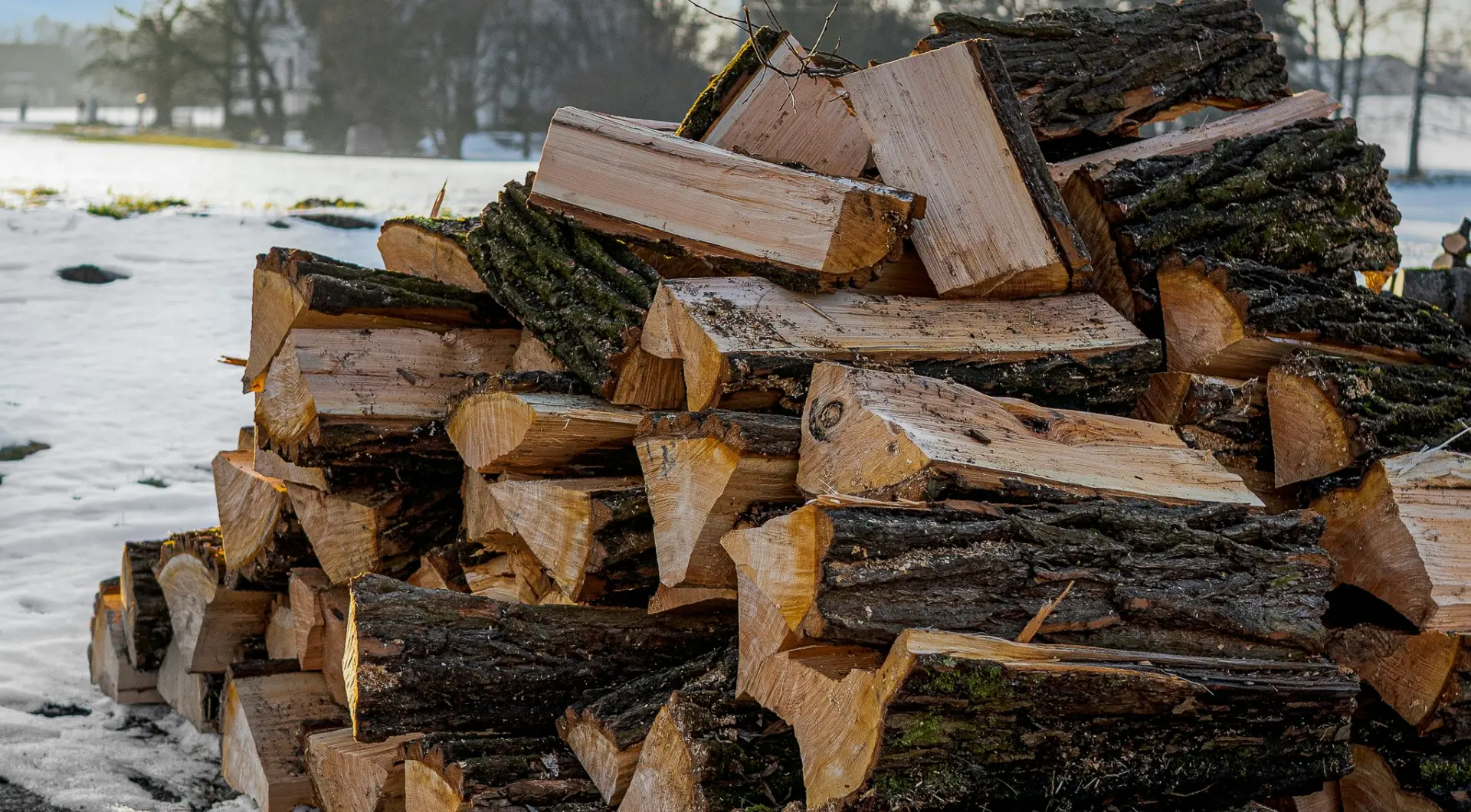
Don't accept unseasoned (green) wood. Properly seasoned firewood has a moisture content below 20%, which you can verify with an inexpensive moisture meter. Look for radial cracks on the log ends—these splits indicate the wood has dried from the inside out. When you tap two logs together, seasoned wood makes a hollow sound; wet wood sounds dull and heavy. Bark should be loose or peeling away. If wood feels heavy, smells strongly of sap, or shows no end cracks, it's too green to burn efficiently.
Protecting Your Firewood from Pests
Before ordering, know this: the Emerald Ash Borer is established throughout Vermont. Never accept ash firewood unless it's been kiln-dried or the supplier harvested it more than 50 miles outside the infestation zone. The same rule applies to oak and other hardwoods—pests can hide under bark and hitch a ride into your yard. Ask your supplier where they source their wood and whether they follow Vermont's quarantine guidelines. Properly seasoned, locally-harvested birch and maple are your safest bet.
Getting Started
Order early, ask suppliers for moisture content guarantees, and confirm delivery dates before writing a check. Stowe's firewood season is short; don't wait until November.

Tom is a certified hearth professional with over two decades of experience advising homeowners on wood-burning appliances and fuel selection.