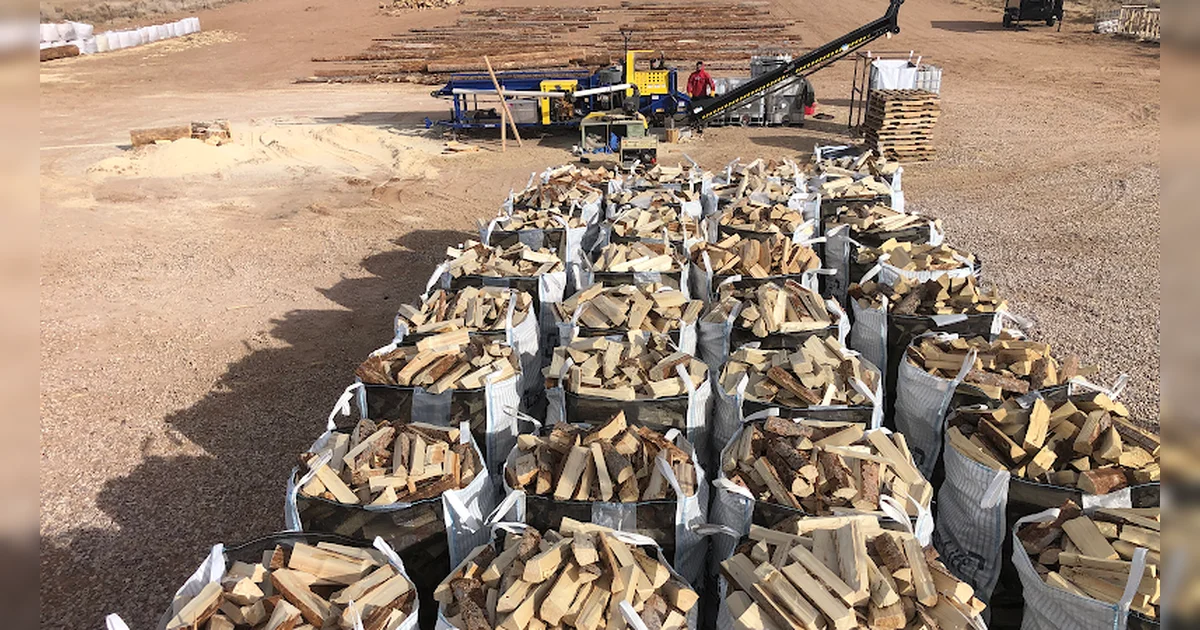
Firewood Suppliers Near Duchesne, UT
Find 1 verified firewood supplier in Duchesne.
Firewood Delivery in Duchesne, Utah: What You Need to Know
If you heat with wood or rely on a fireplace during Duchesne's cold winters, sourcing seasoned firewood is a practical necessity. The high desert climate here means you'll want wood that's properly dried and ready to burn efficiently—wet or green wood will give you creosote buildup, poor heat output, and frustration. Local delivery options make it easier to get quality wood without hauling it yourself across the Uinta Basin.
Choosing the Right Wood for Duchesne Winters
Pinyon Pine is your best local option and burns hot for a softwood, delivering around 20 million BTUs per cord. It's abundant across Utah's pinyon-juniper woodlands and seasoned pinyon lights easily and produces good coals—ideal for fireplaces and wood stoves. Juniper is equally common locally and offers similar heat output with a pleasant aroma, though it can spark more than pine, so use it with a screen.
If you can source hardwoods like oak or ash through regional suppliers, they'll burn longer and hotter (24+ million BTUs per cord), but pinyon and juniper are your reliable, locally-available alternatives. Avoid softwoods like cottonwood or aspen if you're looking for sustained heat—they smoke heavily and leave excessive creosote.
Price typically runs $250–$350 per cord in Duchesne, depending on wood type, delivery distance, and whether the supplier handles stacking. Half-cord and quarter-cord quantities are available if you want to test a supplier before committing to a full cord.
Delivery and Stacking Logistics
Local delivery typically takes 1–2 weeks from order to arrival, though peak season (September through November) can stretch timelines. Confirm minimum order requirements—most local services require at least a half cord, and some offer stacking for an additional fee ($50–$100 per cord) if you don't want to handle it yourself.
When your firewood arrives, inspect it immediately. Stack it in a dry location with airflow underneath—a tarp on top is fine, but avoid wrapping it completely, which traps moisture. Store at least 20 feet from your home to reduce pest and fire risk.
Verifying Seasoned Wood Quality
Properly seasoned wood should have a moisture content of 20% or less. Here's how to check before accepting delivery:
- Look for cracking at the log ends—radial splits are a sign the wood has dried properly.
- Listen for a hollow ring when you tap two logs together. Wet wood sounds dull; seasoned wood rings.
- Check the weight. Seasoned wood feels noticeably lighter than fresh-cut wood of the same size.
One critical concern for Duchesne residents: bark beetles affect pinyon and juniper stands across Utah. To minimize risk, buy firewood harvested and delivered within 50 miles of your home. Out-of-state or distantly-sourced wood can harbor invasive pests. Reputable local suppliers typically source from nearby forests, which is another reason to work with a regional company.
Be wary of suspiciously cheap firewood or sellers unwilling to disclose where wood was harvested—these are common signs of poor seasoning or beetle-infested material. Spending an extra $20–$30 per cord on verified local, seasoned wood prevents costly stove repairs and heating headaches.
When ordering firewood delivered to your door, ask the supplier for a delivery window, confirm stacking services upfront, and get the wood type and moisture content in writing. This protects you and ensures your winter heating runs smoothly.

Marcus holds a degree in forestry and has consulted with firewood operations and state agencies on sustainable wood fuel practices since 2008.