Firewood Suppliers Near UT
Best Firewood Types in Utah
Utah's unique high-desert climate means you'll encounter firewood species quite different from what folks burn back East. The most common hardwood here is Pinyon Pine, which delivers around 26-27 million BTUs per cord—not the highest heat output, but it burns clean with a wonderful aromatic quality that makes it worth every penny for ambiance. If you've ever sat around a campfire in the Southwest and noticed that sweet, slightly resinous smell, that's pinyon. It's excellent for evening fires when you want moderate heat and minimal smoke.
Juniper is your other go-to hardwood option in Utah, producing similar BTUs to pinyon (around 26 million per cord) but with a faster burn rate. Juniper splits beautifully and lights easily, making it ideal for shoulder-season fires in October or April when you need quick heat but not an all-night burn. The wood has a distinctive aroma—some people love it, others find it medicinal. Try a small bundle before committing to a full cord.
For softwoods, Pine (typically Ponderosa or Lodgepole varieties) burns hot and fast, around 21-22 million BTUs per cord. It's perfect for kindling or getting a fire roaring quickly on cold mornings. The downside? Pine creates more creosote buildup in your chimney, so if you burn it regularly, budget for annual chimney sweeps. Aspen rounds out your options—it's the fastest-burning wood you'll find locally, producing only about 18 million BTUs per cord, but it lights easily and produces minimal smoke. Great for spring and fall when you want a quick fire without overheating your living room.
One pest concern to watch in Utah: the Ips Beetle has been devastating pinyon-juniper forests in recent years, particularly in southern Utah. Dead-standing trees from beetle kill can make excellent firewood once properly seasoned, but never transport this wood more than 10-15 miles from where it was cut. You could accidentally spread beetles to healthy stands.
Buying Guide & What to Watch For
Let's talk measurements, because this is where inexperienced buyers get burned (pun intended). A full cord measures 4 feet high, 4 feet deep, and 8 feet long—that's 128 cubic feet of stacked wood. A face cord is 4 feet high and 8 feet long, but only as deep as the individual log lengths, usually 16 inches. That makes a face cord roughly one-third of a full cord, yet some suppliers price them deceptively close. If someone quotes you $180 for a face cord when full cords in your area run $250, you're actually paying more per cubic foot. Always ask explicitly: "Is this a full 128-cubic-foot cord?"
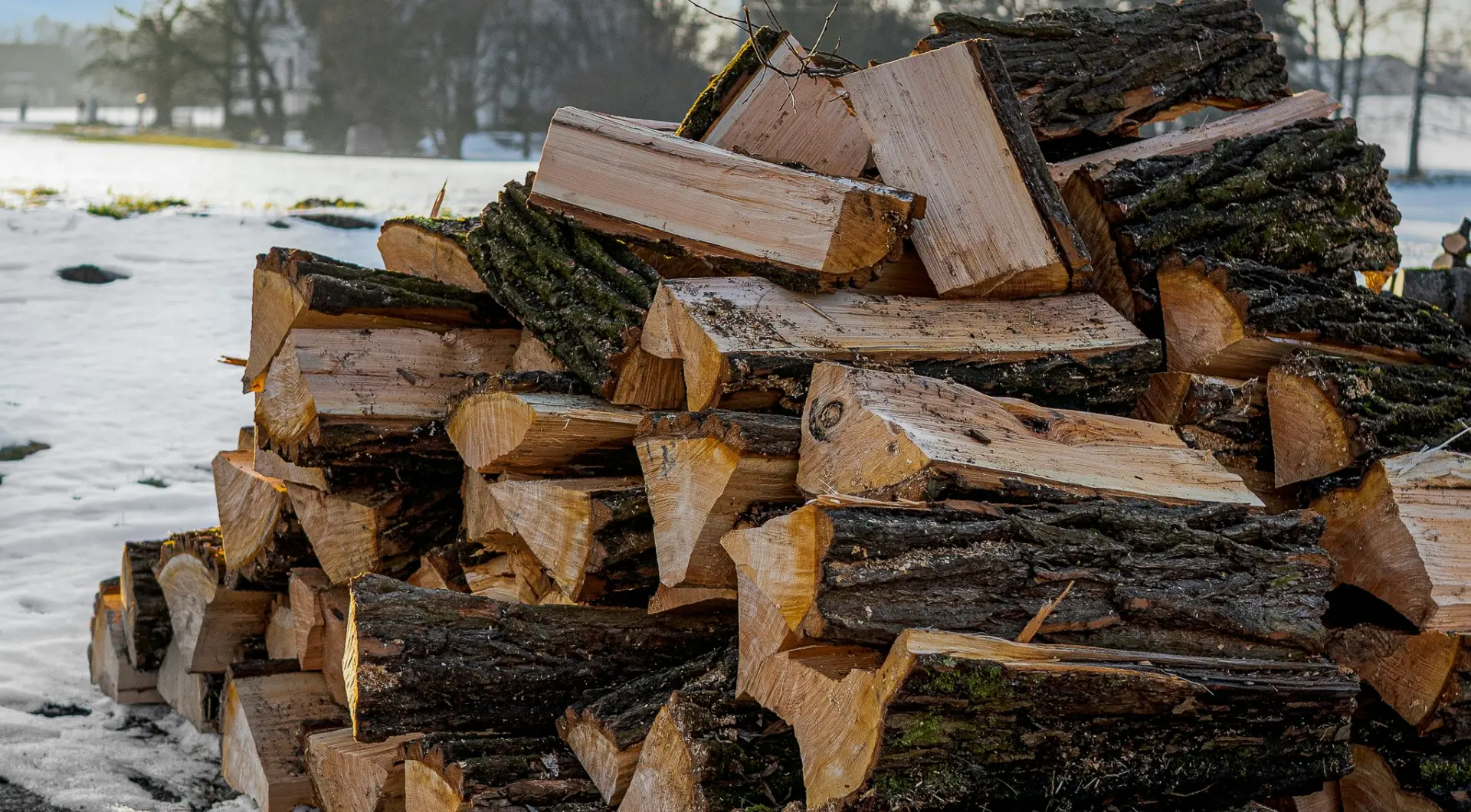
Properly seasoned firewood should have a moisture content below 20%. Here's how to check without a meter: look at the ends—you should see radial cracks ("checking") spreading from the center. Pick up two pieces and knock them together; seasoned wood sounds hollow, almost musical. Green wood thuds. Bark should slip off easily in your hands. If the seller can't or won't tell you the moisture content, that's a red flag.
Kiln dried firewood delivery Utah is becoming more available, and it's worth understanding when the premium makes sense. Kiln-dried wood has been heated in commercial kilns to drop moisture below 15%, sometimes as low as 10%. You'll pay 30-50% more, but you get wood that lights immediately, even in Utah's occasional wet spring weather. If you're buying in April for immediate use, kiln-dried saves frustration. If you're buying in July for December burns, properly seasoned wood is fine—and cheaper.
Utah's arid climate actually works in your favor for seasoning. Wood that might take 18 months to season in humid climates can be ready in 9-12 months here, especially if it's split small and stacked in full sun with good airflow. That said, elevation matters. Wood seasoned at 7,500 feet in the Wasatch takes longer than wood split down in St. George at 2,800 feet.
Utah-Specific Considerations
Utah's firewood market operates differently than you might expect if you've moved here from elsewhere. The high desert and mountain geography mean local firewood delivery is genuinely important—suppliers typically service a 25-30 mile radius at most, and delivery fees climb fast beyond that. Salt Lake Valley residents have dozens of options, but if you're in rural areas like Duchesne or Parowan, you might have only 2-3 suppliers within reasonable delivery distance.
The state takes firewood transport regulations seriously because of invasive pest risks. Utah's official guidance: don't move firewood more than 10 miles from where it was cut or purchased. This isn't just a suggestion—transporting infested wood has destroyed pinyon-juniper ecosystems worth millions in tourism and grazing revenue. If you're camping or heading to a cabin, buy wood near your destination. The extra $40 for a local bundle beats introducing beetles that'll kill trees for the next decade.
Utah's extreme temperature swings affect how you should store firewood. Winter nights can hit single digits while daytime temps reach 45°F. This freeze-thaw cycle can actually help season wood faster by breaking down cell structures, but it also means your firewood pile needs excellent drainage. Stack on pallets or landscape timbers, never directly on soil. The spring snowmelt in March-April can soak ground-level wood surprisingly fast, even in our dry climate.
Pricing varies considerably by region and elevation. In the Wasatch Front (Salt Lake City, Provo, Ogden), expect to pay $250-350 for a delivered cord of firewood delivered Utah style—split, seasoned, and dumped in your driveway. Firewood delivered and stacked Utah services add $50-100, but they're worth it if you're not physically up for moving two tons of wood. Rural areas sometimes run cheaper ($200-275 per cord) because suppliers cut on nearby BLM land and have shorter delivery distances. Kiln-dried premium options push $400-450 per cord in urban markets.
Finding the Right Supplier
When you contact suppliers, here are the non-negotiable questions to ask:
-
"What's the moisture content, and when was this wood split?" Anything over 20% moisture isn't ready. If they can't answer, move on.
-
"What species is this, and where was it cut?" You want to know you're getting the wood advertised and that it's local.
-
"Is your cord measurement a full 128 cubic feet?" Make them say it explicitly.
-
"Do you stack, or just dump?" If you need stacking, confirm the cost upfront.
-
"What's your delivery radius from my address?" Fees can double beyond a supplier's normal range.
Buying from local suppliers matters more in Utah than you might think. First, delivery speed—a local outfit can often deliver within 3-5 days, while large regional operations might take 2-3 weeks. Second, problem resolution. If your seasoned firewood Utah delivery arrives green or under-volume, a local supplier will make it right because their reputation depends on word-of-mouth in a tight-knit market. Third, you're supporting businesses that employ your neighbors and pay local taxes that fund your schools and roads.
One underrated benefit of established local suppliers: they'll often sell you smaller quantities (half cords, even quarter cords) without the per-unit price gouging you see from big operations. If you're new to wood heating and unsure how much you'll burn in a season, starting with a half cord of pinyon and a half cord of pine lets you experiment with different species before committing to bulk firewood delivery.
The best suppliers offer online ordering with transparent pricing—no "call for quote" nonsense that wastes your time. You should be able to see per-cord rates, delivery fees by distance, and stacking charges before you ever pick up the phone. Several Utah suppliers now list their inventory in real-time, so you know exactly what species they have available instead of playing phone tag.
Cost of firewood delivered shouldn't be your only deciding factor, but it obviously matters. Be suspicious of prices 30%+ below local averages—that wood is either green, infested, or short-measured. The cheapest supplier rarely delivers quality that makes you want to order again next year.
Browse our directory of verified Utah firewood suppliers to compare options in your area. We've vetted these businesses for proper measurements, honest moisture-content claims, and reliable delivery. Filter by city, wood species, or services like stacking and online ordering to find suppliers that match your specific needs. Whether you need a cord of wood delivered price quote for basic pine or want premium kiln-dried pinyon for your fireplace, you'll find transparent local options ready to serve you.

Tom is a certified hearth professional with over two decades of experience advising homeowners on wood-burning appliances and fuel selection.