
Firewood Suppliers Near NH
Best Firewood Types in New Hampshire
New Hampshire's hardwood forests give you access to some of the best firewood species in the Northeast. Sugar maple and red oak are your premium choices here — both produce around 24 million BTUs per cord and burn hot and long. That matters when you're heating through a New Hampshire winter where temperatures regularly dip below zero.
Maple is easier to split and seasons faster than oak, which makes it popular for homeowners processing their own wood. Oak takes longer to season (18-24 months if air-dried) but produces those long, steady burns that keep your home warm overnight. Many New Hampshire suppliers sell mixed hardwood cords combining maple, oak, and beech — this gives you versatility for different burning situations.
Birch is abundant here and looks beautiful with its white bark, but use it strategically. Yellow birch offers decent heat output (around 21 million BTUs per cord), but it burns faster than maple or oak. It's excellent for shoulder season fires in October or April when you want quick heat without the overnight burn. Paper birch makes outstanding kindling because it ignites even when damp.
Beech deserves more attention than it gets. It produces heat comparable to oak and maple, splits cleanly, and creates a pleasant fire. The challenge is seasoning — beech holds moisture stubbornly and needs a full 18 months under cover to reach that critical 20% moisture content.
One concern specific to New Hampshire right now: Emerald Ash Borer has spread throughout the state. You'll find ash firewood available as property owners remove infested trees, and ash is actually excellent firewood (23 million BTUs per cord). Just make sure you're buying from suppliers following state quarantine rules — don't transport ash wood more than 10 miles from where it was cut. The New Hampshire Division of Forests and Lands takes this seriously.
Buying Guide & What to Watch For
The face cord versus full cord confusion trips up new firewood buyers constantly. A full cord is a legally defined measurement: 128 cubic feet, typically stacked 4 feet high, 8 feet long, and 16 inches deep. A face cord (sometimes called a rick) is only one-third of that — just one row of 16-inch logs stacked 4 feet high and 8 feet long.
Some suppliers use "face cord" legitimately and price accordingly. Others use it to make prices look lower than they actually are. When you see "$150 per cord" advertised, ask explicitly: "Is that a full cord — 128 cubic feet?" Get the dimensions confirmed before you order.
Properly seasoned firewood makes all the difference between a smoky, inefficient fire and clean heat. Look for these signs: cracks (called "checking") radiating from the center of the logs, bark that's loose or falling off, and a hollow sound when you knock two pieces together. The definitive test is moisture content — seasoned wood should measure below 20% on a moisture meter. Check the freshly split interior, not the outside surface which dries faster.
Kiln-dried firewood has become more available in New Hampshire over the past few years. Suppliers use industrial kilns to reduce moisture content to 10-15% in days rather than months. Is it worth the premium? If you need wood immediately or you're burning in a newer EPA-certified stove that demands very dry fuel, yes. For traditional fireplaces or older wood stoves, properly air-dried seasoned firewood works perfectly well and costs less.
Expect to pay more for delivery than you might think is reasonable — but it's justified. Firewood is heavy (a full cord of oak weighs over two tons), and delivery trucks can't make money running one cord at a time. Many New Hampshire suppliers charge $50-100 for delivery depending on distance, or they waive fees for orders of two cords or more. Some offer firewood delivered and stacked for an additional charge, which saves your back if you're not accustomed to moving that much weight.
New Hampshire-Specific Considerations
New Hampshire's climate creates a sweet spot for firewood seasoning, but you need to understand the timing. Summers are warm enough to dry wood effectively, but humidity from all those lakes and the proximity to the Atlantic means wood doesn't season as quickly as it would in, say, Colorado. That maple you cut in April won't be ready by November — plan on a full year minimum for hardwoods, preferably 18 months.
Winter purchasing actually works well here. Suppliers have their inventory stocked and ready, and many offer better pricing in January or February compared to the fall rush. If you've got covered storage space, buying a cord of firewood delivered in winter for next year makes financial sense.
State regulations prohibit moving firewood more than 10 miles from its source if you're transporting it yourself, and commercial suppliers must comply with quarantine zones for specific pests. This isn't bureaucratic nonsense — it's about protecting New Hampshire's forests from invasive species like Emerald Ash Borer and Asian Longhorned Beetle. Buy from local suppliers who source wood locally. Don't bring firewood from Massachusetts up to your cabin in the White Mountains.
The quality of wood varies significantly by supplier, which is why finding a reliable source matters. Some operations cut, split, and stack wood properly for seasoning. Others pile green logs in a field and call them seasoned after six months. The difference shows up when you're trying to get a fire started on a cold January night.
Most reputable suppliers now offer seasoned firewood New Hampshire residents can actually rely on, with proper storage facilities and measured moisture content. The better operations will tell you exactly when the wood was cut and how it's been stored. If a supplier can't or won't answer those questions, keep looking.
Finding the Right Supplier
Before you order, ask these specific questions: What's the moisture content, and do you measure it? (You want a supplier who checks, not one who guesses.) What species mix is in the cord? Is the wood already split, and to what length? (Standard is 16 inches, but verify — 18-inch logs won't fit in some stoves.) Does the price include delivery, and within what radius?
Also clarify: do you dump it in my driveway, or stack it? A dumped cord is a pile of chaos you'll spend hours dealing with. A stacked cord goes where you want it. The cost difference for that service is usually worth it unless you enjoy heavy labor or have teenagers who need character building.
Delivery distance matters more than you might think. A supplier 40 miles away might charge significantly more than one 10 miles away, even if their base prices are similar. For a product as heavy and low-margin as firewood, transportation cost is real. Supporting local suppliers also means faster delivery when you need a mid-winter refill, and they're more likely to make things right if you have concerns about wood quality.
Some New Hampshire suppliers now offer online ordering, which streamlines the process considerably. You can see what's available, compare pricing for kiln dried firewood delivery New Hampshire suppliers offer versus standard seasoned wood, and schedule delivery that works with your schedule. Others still operate by phone, which works fine — just get your order details confirmed in writing or email.
The directory on this site lists dozens of verified suppliers throughout New Hampshire, from the seacoast region up through the Lakes Region and into the North Country. You'll find operations offering everything from basic seasoned hardwood by the full cord to premium kiln-dried options, bulk firewood delivery for large properties, and specialty woods like birch firewood delivery for specific uses.
Look for suppliers with good ratings and recent reviews. Someone who's been reliably delivering quality wood gets repeat customers who leave feedback. A supplier with minimal reviews or inconsistent ratings deserves extra scrutiny.
Don't wait until the first frost to start looking. September and October are when everyone remembers they need firewood, and that's when prices peak and delivery schedules fill up. Order in summer or even late winter for the following year, and you'll get better pricing and more flexibility on delivery timing.
When your first cord arrives, stack it in a spot with good airflow, off the ground (pallets work great), and with the top covered but sides exposed to air movement. Even seasoned wood benefits from additional drying time, and you'll be ready when cold weather arrives. Finding a reliable supplier who delivers quality wood at fair prices turns firewood from a stressful annual scramble into a simple part of home maintenance.

Tom is a certified hearth professional with over two decades of experience advising homeowners on wood-burning appliances and fuel selection.
Statewide Map
Browse by City
Amherst
2 suppliers
Belmont
1 suppliers
Bradford
1 suppliers
Brookline
2 suppliers
Center Conway
1 suppliers
Charlestown
1 suppliers
Colebrook
1 suppliers
Derry
1 suppliers
Dunbarton
1 suppliers
Epping
2 suppliers
Farmington
1 suppliers
Henniker
2 suppliers
Keene
1 suppliers
Laconia
1 suppliers
Landaff
1 suppliers
Langdon
1 suppliers
Littleton
1 suppliers
Londonderry
1 suppliers
Loudon
1 suppliers
Lyndeborough
1 suppliers
Madbury
1 suppliers
Meredith
1 suppliers
Middleton
2 suppliers
Milford
1 suppliers
Nashua
1 suppliers
New Ipswich
1 suppliers
New London
1 suppliers
Newbury
1 suppliers
North Woodstock
1 suppliers
Plymouth
1 suppliers
Rindge
1 suppliers
Rochester
1 suppliers
Sandwich
1 suppliers
Seabrook
2 suppliers
Sullivan
1 suppliers
Tamworth
2 suppliers
Webster
1 suppliers
West Ossipee
1 suppliers
West Peterborough
1 suppliers
Westmoreland
1 suppliers
Winchester
1 suppliers
Top Rated Suppliers

Lakes Region Firewood, LLC
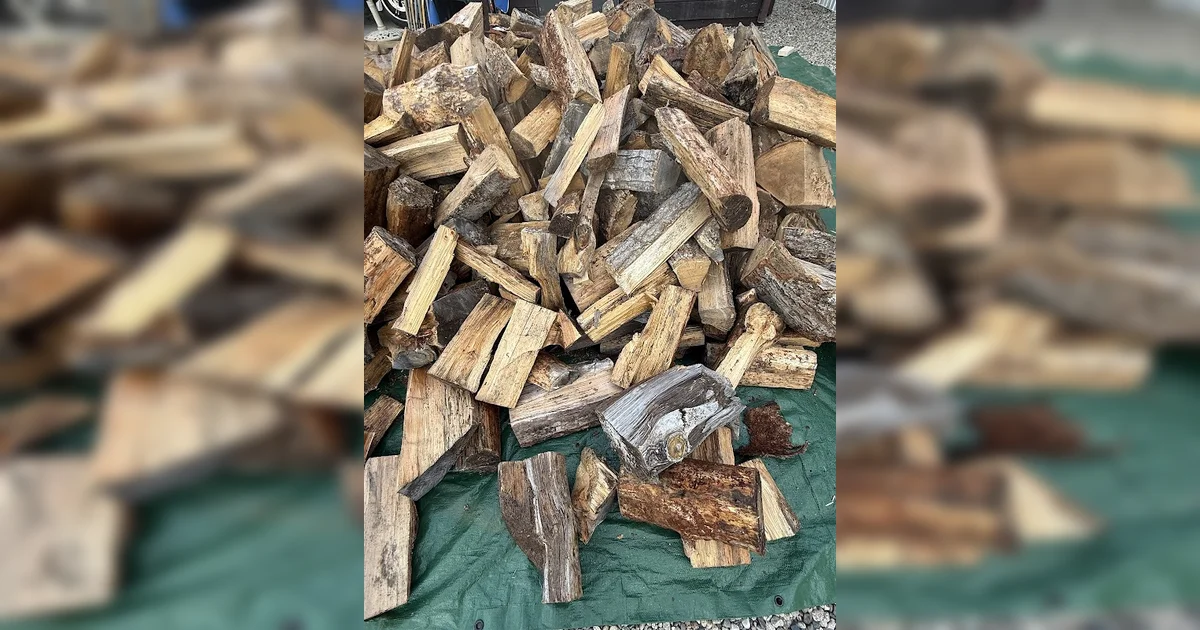
Whipple Roberts Firewood
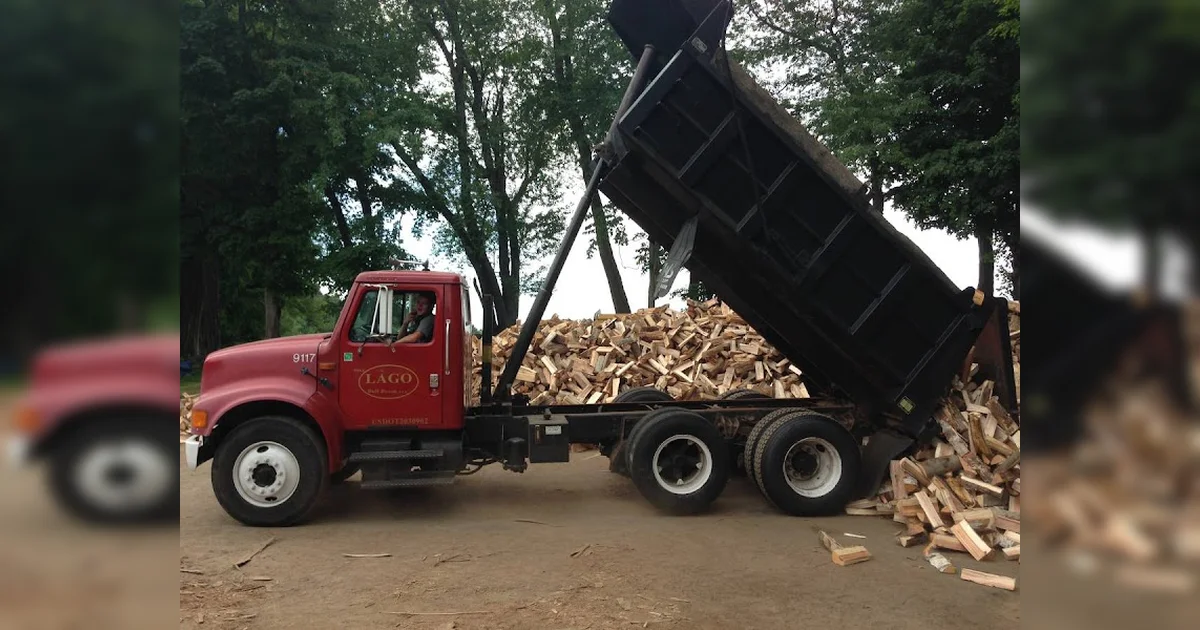
Mike Lago Firewood
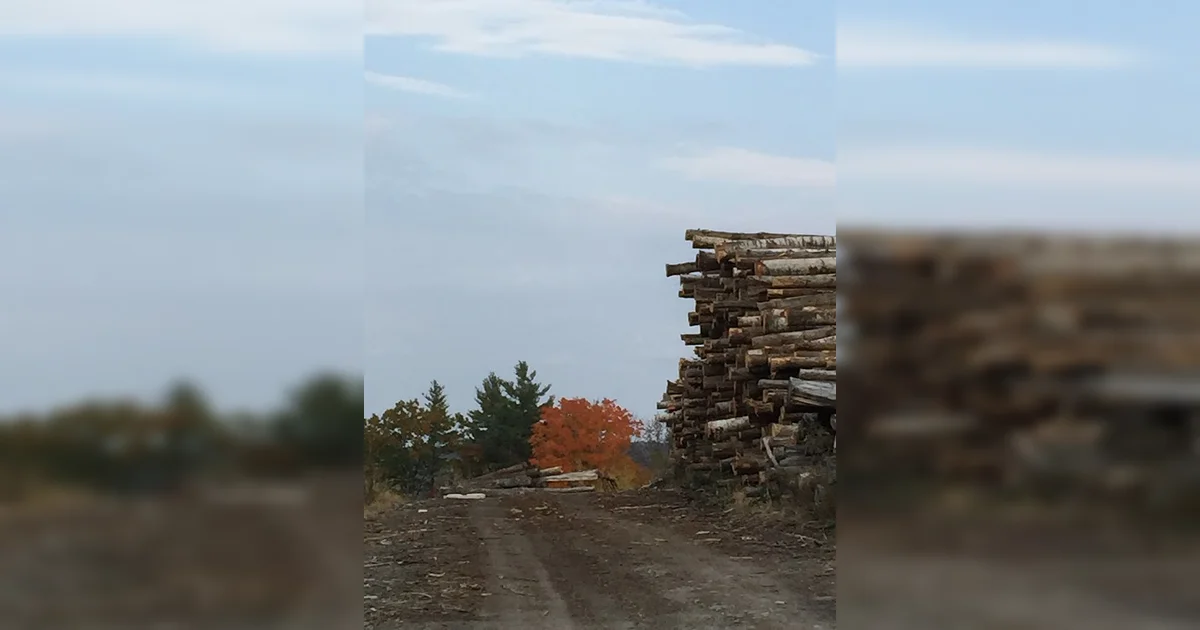
Chuck Rose, Inc
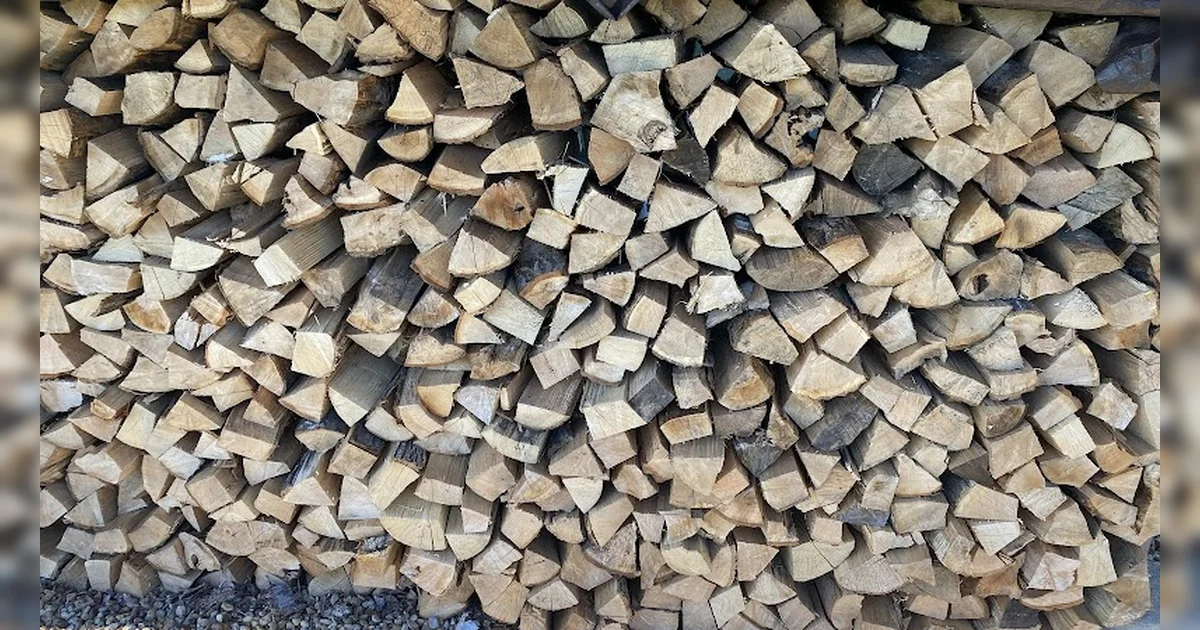
ELC Firewood- A Division of Ekstrom Lawn Care, LLC