
Firewood Suppliers Near CO
Best Firewood Types in Colorado
Colorado's high-elevation climate and mix of coniferous forests give you different options than you'd find back East. Most firewood here comes from pine, spruce, fir, and aspen — each with distinct burning characteristics that matter when you're heating at 5,000+ feet.
Pine dominates the market because it's abundant and affordable. Ponderosa and lodgepole pine put out around 21 million BTUs per cord, which isn't championship-level but perfectly adequate for most needs. Pine lights easily and burns hot initially, making it excellent kindling or shoulder-season fuel when you just need to take the edge off cold mornings. The downside? It burns faster than hardwoods and produces more creosote, so you'll want your chimney swept annually if you're burning pine exclusively. That resinous aroma is wonderful, though — pure Rocky Mountain campfire.
Aspen is your best hardwood option in Colorado, delivering about 20 million BTUs per cord. It burns cleaner than pine with less creosote buildup, seasons relatively quickly (6-8 months in our dry climate), and splits easily. Many locals prefer aspen for overnight burns because it produces decent coals. It's typically pricier than pine, but if you're heating your home primarily with wood, the cleaner burn and longer coals justify the cost.
Spruce and fir fall between pine and aspen in performance — around 18-20 million BTUs per cord. They're fine supplemental woods, but most suppliers don't sell them separately. You'll often get them mixed into pine loads. Douglas fir (technically available in southwestern Colorado) burns better than other firs with less popping, but it's uncommon in firewood markets.
For comparison, if you're new to Colorado from the Midwest or East Coast: our woods burn differently than oak or hickory. You'll go through about 25% more volume to get equivalent heat, but cord prices are generally lower, and the faster seasoning time in our arid climate means you can buy green wood in spring and burn it by late fall.
One critical concern: Pine beetles have devastated millions of acres across Colorado. Dead beetle-kill pine is widely available and burns fine — actually preferred by some because it's already dry. However, be cautious about transporting any firewood. The Colorado State Forest Service strongly discourages moving wood more than 10 miles from its source to prevent spreading mountain pine beetles, emerald ash borer (increasingly detected along the Front Range), and other invasive pests. Always buy locally harvested wood.
Buying Guide & What to Watch For
The firewood industry has its share of confusion and occasional deception. Here's what you need to know before opening your wallet.
Understand the measurements. A full cord is 128 cubic feet — that's a stack 4 feet high, 4 feet deep, and 8 feet long. A face cord (also called a rick) is one-third of that: 4 feet high, 8 feet long, but only 16 inches deep (one log-length). Some sellers advertise "cords" without specifying, then deliver face cords. When comparing prices, always confirm you're getting a full cord measurement. Legitimate suppliers will specify dimensions clearly.
A "cord of wood delivered price" in Colorado typically ranges from $250-$400 depending on wood type, seasoning, and your location. Kiln dried firewood delivery Colorado will run $100-$150 more per cord, but you're paying for guaranteed moisture content under 20% and immediate burn-readiness.
Seasoned vs. kiln-dried matters more than you think. Properly seasoned firewood has been split and dried naturally for 6-12 months until moisture content drops below 20%. In Colorado's dry climate, this happens faster than in humid regions — sometimes as quickly as 4-6 months for aspen if it's split small and stacked with good airflow. Green wood (freshly cut) contains 40-60% moisture and produces weak, smoky fires while creating dangerous creosote buildup.
Kiln-dried wood has been heat-treated in commercial kilns to rapidly remove moisture. It's expensive but worth it if you need to burn immediately or want optimal performance. The cost of firewood delivered and kiln-dried runs about $400-$500 per cord, but you get consistent moisture content and zero insect concerns.
How to verify wood is actually seasoned:
- Check the ends: Seasoned wood shows radial cracks (checking) from the center outward
- Bang two pieces together: Dry wood sounds hollow; wet wood makes a dull thud
- Feel the weight: Seasoned wood is noticeably lighter than green
- Inspect the bark: It should be loose or falling off
- Ask the moisture content: Reputable suppliers will tell you or test it with a moisture meter
Don't assume split firewood delivered automatically means it's seasoned. Some suppliers sell green-split wood for customers who want to season it themselves at a lower price.
Delivery and stacking logistics vary widely. Basic bulk firewood delivery means they dump it in your driveway. Firewood delivered and stacked Colorado services cost $50-$100 extra but save you hours of backbreaking work. If you're older, injured, or just value your time, it's worth every penny. Ask specifically where they'll stack it — some won't carry wood to backyards or up hills.
For smaller quantities, a face cord vs full cord purchase might make sense if you only burn occasionally or have limited storage. Just know what you're paying per actual cubic foot.
Colorado-Specific Considerations
Colorado's high-desert mountain climate creates unique firewood conditions. Our combination of low humidity (often 10-30%), intense sunshine, and temperature swings means wood seasons remarkably fast compared to eastern states. Green pine split in May can be burnable by October if properly stacked.
However, that same dry climate affects how you store seasoned wood. Once it's dry, keep it covered but with airflow underneath. Firewood sitting directly on bare ground absorbs moisture even in Colorado, especially during spring snowmelt. Simple pallets or a few landscape timbers solve this.
Elevation matters for burning. If you're above 7,000 feet, wood burns slightly less efficiently due to thinner air. You'll notice your fires need more attention to maintain proper airflow. This isn't a dealbreaker — just something to understand.
Colorado firewood transport regulations are serious business. The Colorado State Forest Service and USDA Forest Service prohibit moving firewood from mountain pine beetle quarantine areas. Even outside quarantine zones, their guidance is simple: "Don't move firewood." Buy locally harvested wood where you'll burn it. If you're camping, buy wood near your destination rather than hauling it from home. Violating quarantine rules can result in fines, but more importantly, you could accidentally spread pests that have already killed millions of acres of forest.
Some suppliers specifically advertise "heat-treated" or "certified" firewood safe for transport. If you absolutely must move wood distances, this is your only responsible option.
Wildfire smoke concerns have grown in recent years. When air quality is poor, burning wood adds to particulate matter. Many Colorado communities now have voluntary or mandatory wood-burning restrictions on high-pollution days. Check your county's air quality alerts, especially in metro areas along the Front Range.
Finding the Right Supplier
Not all firewood suppliers operate the same way, and choosing poorly means frustration, wasted money, or dangerous chimney fires from wet wood.
Questions to ask before ordering:
- What's the moisture content? (You want under 20% confirmed)
- What species is included? (Mixed loads are common)
- Is this a full cord or face cord?
- What are delivery minimums and costs?
- Do you offer stacking service?
- How far from the source was this wood harvested?
- When was it cut and split?
Reputable suppliers answer these questions without hesitation. Evasive responses about moisture content or measurements are red flags.
Why local suppliers beat big-box stores: Those bundles at gas stations and grocery stores cost $6-$8 for maybe 0.75 cubic feet — that's $1,024 per cord equivalent. Even premium kiln dried firewood delivery Colorado from local suppliers runs half that. Plus, local suppliers deliver actual quantities, offer seasoned wood options, and often provide helpful advice about what burns best in your specific area.
When you order firewood near me from established local providers, you're also supporting Colorado businesses that responsibly manage forest resources. Many suppliers work directly with the Forest Service on thinning projects that reduce wildfire risk.
If you need a cord of firewood delivered Colorado this season, start by browsing suppliers in your area. Look for verified businesses with clear pricing, good customer reviews, and transparent policies. The right supplier becomes a multi-year relationship — someone who remembers your delivery location, knows what you liked last year, and can advise you when the best deals arrive.
Don't wait until the first hard freeze when everyone's calling simultaneously. Order in early fall for the best selection and scheduling flexibility. Your future self, cozy by a crackling fire while snow piles up outside, will thank you for planning ahead.

Marcus holds a degree in forestry and has consulted with firewood operations and state agencies on sustainable wood fuel practices since 2008.
Statewide Map
Browse by City
Top Rated Suppliers
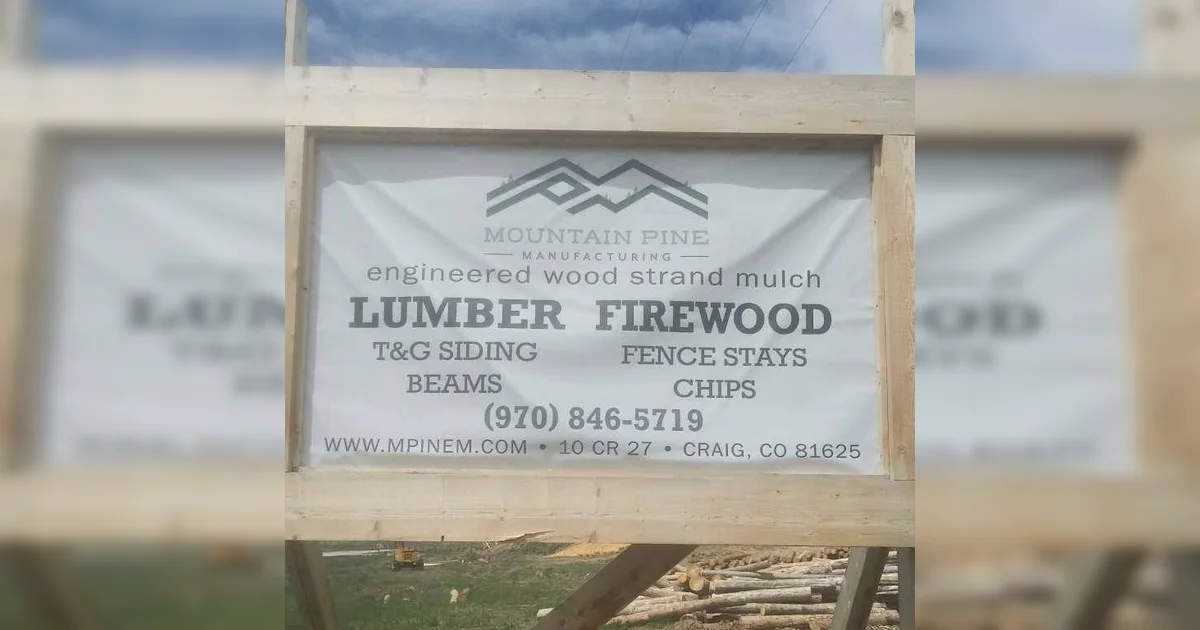
Mountain Pine Manufacturing
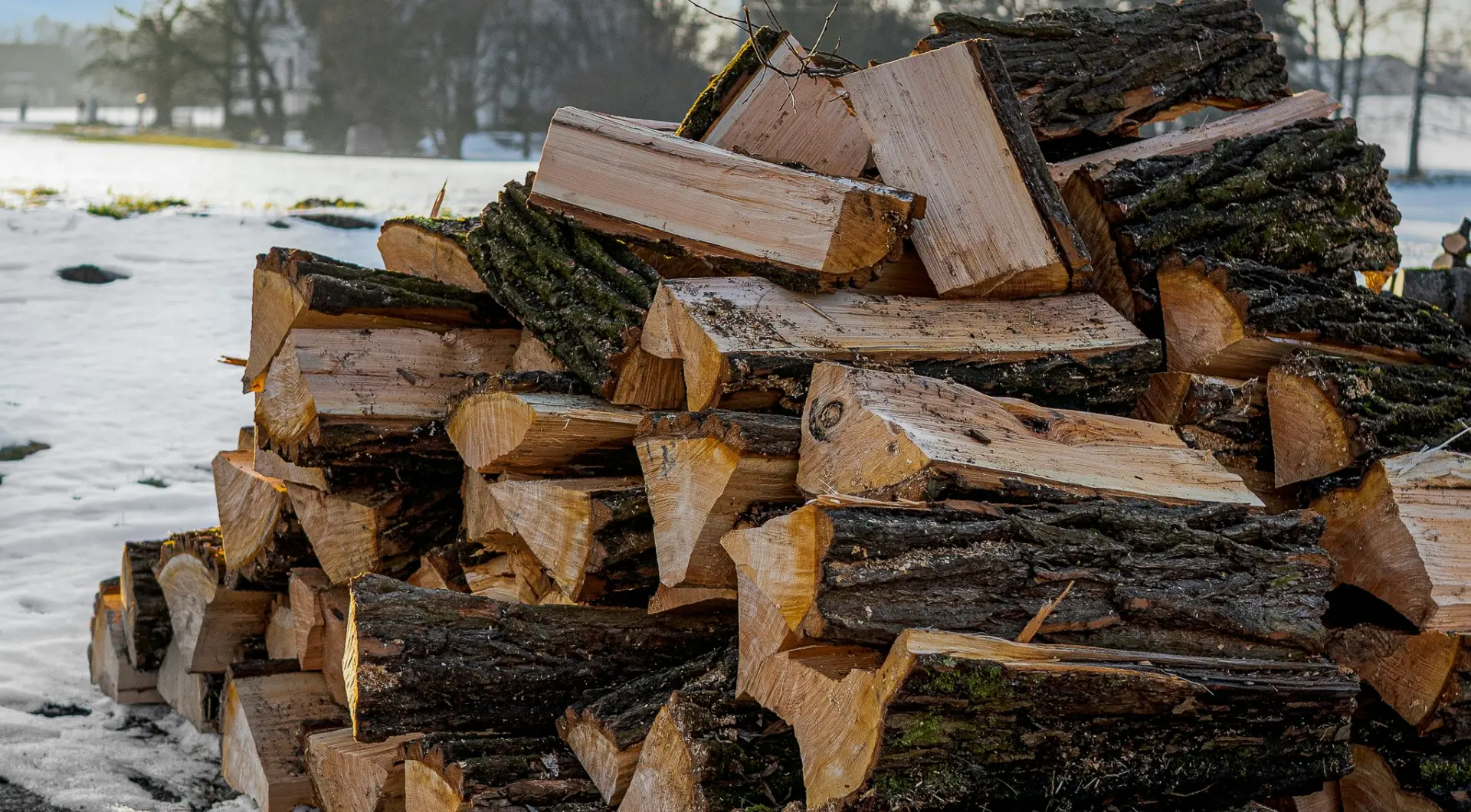
Firewood by Autumn Tree Lawn and Landscape
Rinkor Resources Firewood
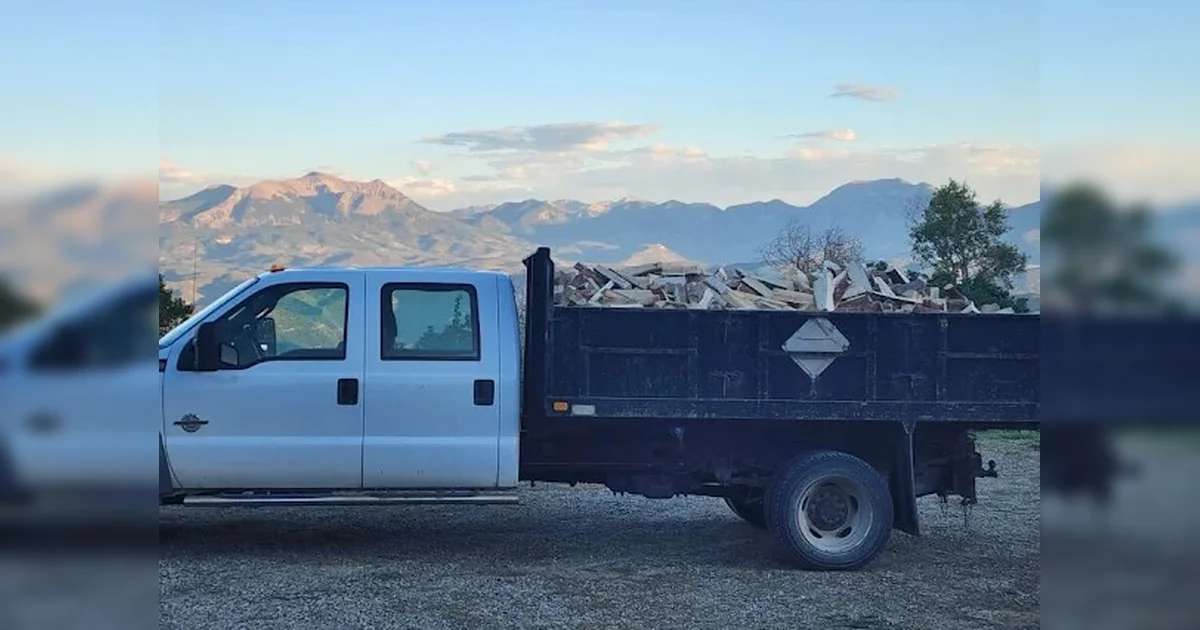
Mountain Fuel Wood
Denver Firewood