Firewood Suppliers Near AR
Best Firewood Types in Arkansas
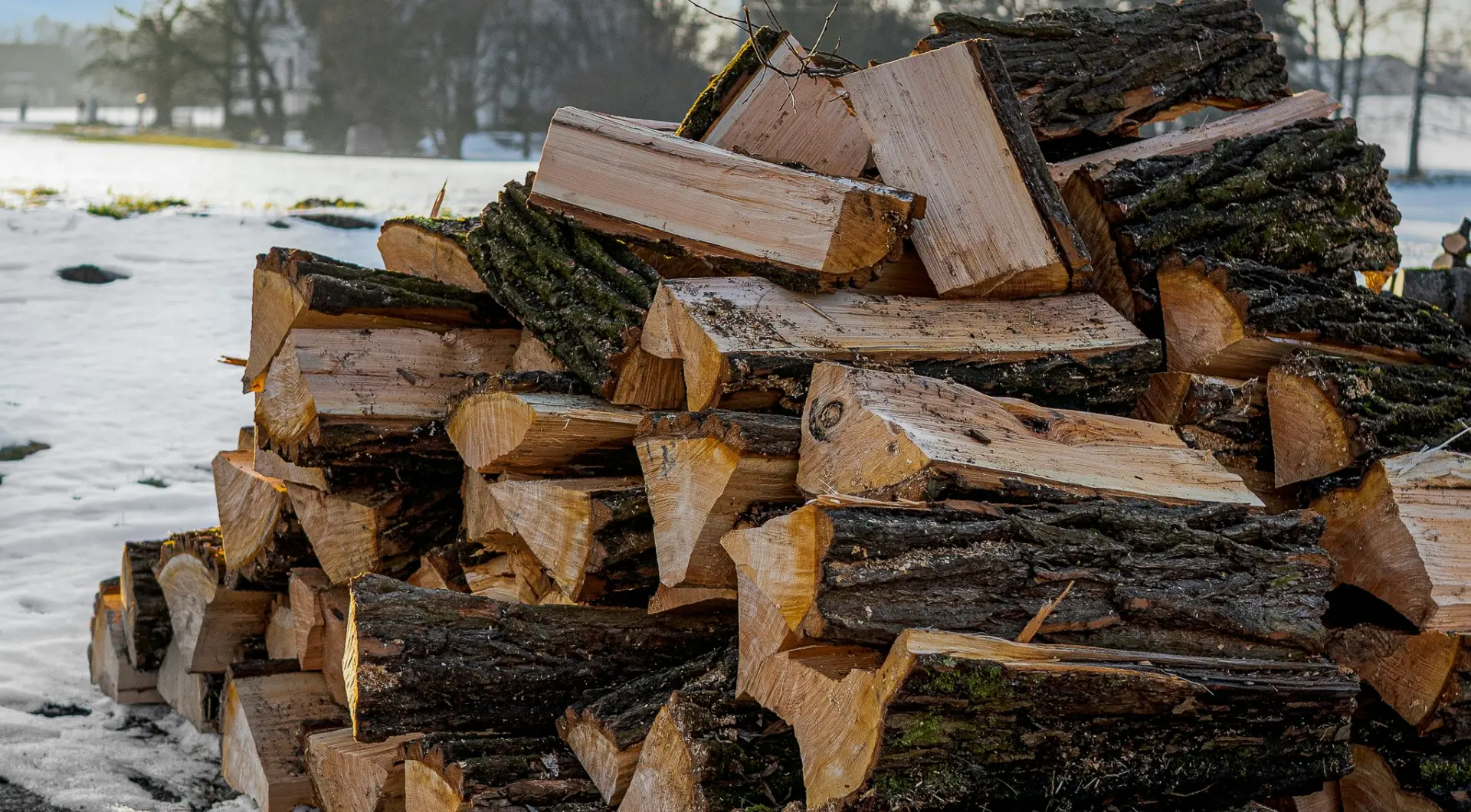
When you're shopping for firewood in Arkansas, you'll find oak and hickory dominating the market — and for good reason. These hardwoods thrive in the Natural State's climate and deliver exceptional heat output that'll keep you warm through those chilly Ozark nights.
Oak firewood stands as the regional favorite, producing around 24-28 million BTUs per cord depending on whether you're burning white or red oak. It splits cleanly, seasons predictably in Arkansas's humidity, and burns with steady, long-lasting coals perfect for overnight fires. White oak tends to season a bit faster than red oak, but both deliver reliable heat once properly dried.
Hickory ranks even higher on the BTU scale at 28-30 million per cord, making it the hottest-burning wood you'll find from local suppliers. It's excellent for wood stoves where you need maximum heat output, though it does produce more creosote than oak if you're burning it too cool. The trade-off? Hickory takes longer to season — count on 12-18 months for proper drying in Arkansas's humid conditions.
Pecan, a hickory relative, offers similar high heat output and adds a subtle sweetness to the smoke that makes it popular for both heating and outdoor cooking. If you're planning to smoke meat on your offset cooker, pecan delivers fantastic flavor without overwhelming delicate proteins.
Cedar appears in Arkansas firewood mixes primarily as kindling or for ambiance fires. It lights quickly, crackles beautifully, and fills your space with that classic campfire aroma. Just don't plan on heating your home with it — cedar burns fast and hot but doesn't produce lasting coals like the hardwoods.
One regional concern worth noting: the Emerald Ash Borer has been detected in several Arkansas counties. While ash makes excellent firewood when available, state regulations restrict moving firewood across county lines to prevent spreading this destructive pest. Always buy local and burn local to protect Arkansas's forests.
Buying Guide & What to Watch For
Let's talk about the biggest scam in the firewood business: the face cord vs full cord confusion. A full cord measures 128 cubic feet — that's a stack 4 feet high, 8 feet long, and 4 feet deep. A face cord is only 16 inches deep, giving you roughly one-third of a full cord. Some sellers advertise low prices on "cords" that turn out to be face cords, tripling your actual cost. Always confirm you're buying a full 128 cubic foot cord and get the dimensions in writing.
Properly seasoned firewood makes the difference between a roaring fire and a smoky, frustrating mess. Here's how to verify what you're buying:
Check the moisture content first — seasoned firewood should measure below 20% on a moisture meter (ask your supplier to test it in front of you). Look for cracks radiating from the center of the cut ends, called "checking," which indicates the wood has dried properly. Pick up two pieces and bang them together — seasoned wood produces a sharp, hollow sound while wet wood thuds dully.
The wood's weight tells the story too. Green oak feels noticeably heavier than seasoned oak because water makes up nearly half the weight of freshly cut wood.
Kiln dried firewood delivery Arkansas has grown more popular, especially for buyers who need wood immediately. Kiln-dried wood is heated in commercial ovens to rapidly remove moisture, getting it ready to burn in days rather than months. You'll pay a premium — typically 30-50% more than seasoned wood — but it's worth considering if you're buying late in the season or need guaranteed low moisture content for an EPA-certified stove.
Regular seasoned firewood Arkansas suppliers air-dry their wood for 6-12 months, which works perfectly well if you plan ahead. Oak and hickory seasoned through an Arkansas summer will be ready to burn by fall, provided it's been split and stacked with good airflow.
Expect to pay more per cord for split firewood delivered than for logs you cut yourself, but for most homeowners the convenience is worth it. Delivery and stacking services add to the cost, but they save your back and ensure proper stacking that promotes continued drying.
Arkansas-Specific Considerations
Arkansas's climate presents unique challenges for firewood seasoning. The state's high humidity, especially in the Delta and southern regions, means wood takes longer to dry than it would in drier climates. If you're buying "seasoned" wood in spring or early summer, ask when it was split and how it was stored. Wood stacked in humid, shaded areas without airflow might technically be a year old but still burn poorly.
The state's mild winters compared to northern regions mean you'll use less wood overall — most Arkansas households burning wood as primary heat go through 3-5 cords per season rather than the 6-8 cords common in New England. This is actually helpful because it means you can buy smaller quantities and keep your wood drier by storing less of it.
Arkansas regulations prohibit moving firewood more than 50 miles from where it was cut, with even stricter rules in areas under quarantine for invasive pests. This isn't just bureaucratic red tape — moving firewood spreads the Emerald Ash Borer, various bark beetles, and other insects that can devastate forests. When you see firewood for sale at gas stations along I-40, understand that wood might be illegally transported and could introduce pests to your area.
Buying from local suppliers who cut wood within your region keeps you compliant and supports responsible forest management. Most reputable Arkansas suppliers clearly identify where their wood originates.
Storage matters more in Arkansas than you might think. Wood stacked directly on the ground in humid conditions can reabsorb moisture from below. Use pallets or treated lumber to keep your firewood off the ground, and cover only the top of your stack — leave the sides exposed to airflow. A shed or three-sided woodshed works better than tarping the entire pile.
Finding the Right Supplier
When you're comparing suppliers, ask specific questions that reveal their professionalism. Start with wood species — can they tell you exactly what you're getting, or do they offer generic "mixed hardwood"? While mixed loads are fine, suppliers who can't identify their own wood might not be managing their inventory carefully.
Ask about moisture content and whether they'll test it at delivery. Professional operations own moisture meters and stand behind their product. If a supplier refuses to verify moisture content, shop elsewhere.
Clarify delivery details upfront. A cord of firewood delivered Arkansas pricing should include the delivery fee, not surprise you with add-ons at your door. Ask whether they'll stack the wood or just dump it in your driveway. Firewood delivered and stacked Arkansas services cost more, but stacking a cord of wood yourself takes 1-2 hours of hard work.
In most Arkansas markets, expect to pay $280–$380 for a full cord of seasoned oak or hickory delivered, with kiln-dried wood running $380–$500 depending on species and distance.
Find out their delivery radius and lead times. Local suppliers usually deliver within a few days, while operations serving wider areas might need 1-2 weeks. During peak season (September through November), popular suppliers book up fast.
Why local matters: A supplier 20 miles away can return quickly if there's a problem with your delivery, knows the local wood species intimately, and keeps money circulating in your community. They're also more likely to have established operations with proper equipment and seasoning infrastructure.
Many Arkansas suppliers now offer online ordering, making it easy to secure your winter wood supply from your phone. Look for suppliers who list their wood species, provide clear pricing for a full cord of wood delivered, and show real customer reviews.
The directory above connects you with verified suppliers throughout Arkansas — from the Ozark hills around Huntsville to the central Arkansas markets in Little Rock and Beebe, down to the western border near Fort Smith and Springdale. Each listing includes delivery areas, wood types available, and contact information to get quotes.
Don't wait until the first cold snap to order firewood. Suppliers run low on inventory in late fall, prices increase with demand, and delivery times stretch out. Order in late summer or early fall to get the best selection of seasoned wood at fair prices, giving you time to properly store it before you need it.
Start browsing suppliers in your area to compare species availability, delivery options, and pricing. Most offer free quotes, and talking to a few different operations helps you understand what's available locally and what represents a fair deal for quality firewood.

Sarah has 15 years of experience in the firewood industry, specializing in regional sourcing and supplier evaluation across North America.