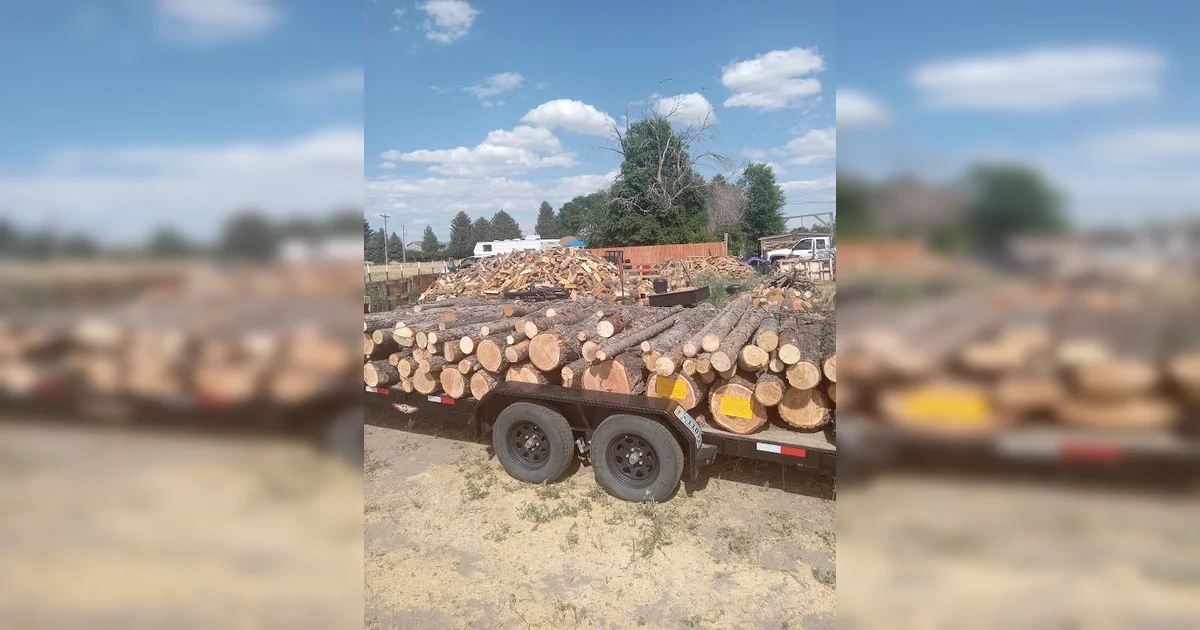
Firewood Suppliers Near WY
Best Firewood Types in Wyoming
Wyoming's firewood market is shaped by geography and tourism. The Big Horn Basin around Cody and Greybull has the most active local market in the state, with timber from surrounding national forests. The Laramie Plains around Laramie and Rawlins face brutal wind and cold, creating strong heating demand despite a small population. Jackson Hole is Wyoming's most unusual market: a small, affluent town surrounded by national parks where local cutting is restricted, creating steady demand for imported premium hardwood that commands prices well above the state average.
Wyoming's high-altitude, arid climate means you'll want wood that burns hot and long through those bitter mountain winters. Pine dominates the firewood market here, and while some folks dismiss it as "soft," properly seasoned lodgepole pine delivers solid heat at a lower price point than most hardwoods. It lights easily, burns relatively clean, and produces around 20-21 million BTUs per cord — respectable for overnight burns when you keep the stove loaded.
Fir is your step-up option. Douglas fir and subalpine fir both put out more heat than pine (around 26-28 million BTUs per cord) and produce excellent coals for extended heating. The wood splits cleanly and seasons faster than many hardwoods thanks to Wyoming's dry air. If you're heating a large space or need consistent overnight warmth, fir is worth the extra cost.
Aspen and cottonwood grow along Wyoming's river valleys, and you'll often find them sold as budget options. These are true softwoods — they burn fast, produce less heat (around 13-18 million BTUs per cord), and don't coal well. They're perfect for shoulder-season fires or blending with denser woods to control burn rate. Use cottonwood for kindling or quick-heat situations, not as your primary winter fuel.
One regional concern: bark beetles have devastated pine forests across Wyoming. Dead standing pine ("beetle kill") makes excellent firewood once it's been down long enough to dry, but avoid wood with excessive blue staining or loose bark that could harbor remaining pests. The state monitors for invasive species like the emerald ash borer, though Wyoming's ash populations are limited. Still, never transport firewood more than 50 miles to prevent accidentally spreading pests or disease.
Buying Guide & What to Watch For
The face cord vs full cord confusion trips up more buyers than anything else. A full cord measures 128 cubic feet — that's a stack 4 feet high, 4 feet deep, and 8 feet long. A face cord (sometimes called a "rick") is only 16 inches deep, making it one-third of a full cord. Some sellers advertise face cords without clarifying the difference, and suddenly you're paying $200 for what should cost $70. Always confirm measurements before money changes hands.
Properly seasoned firewood should register below 20% moisture content on a meter (you can grab one for $20-30 at any hardware store). Check split ends for radial cracks — that "checking" means the wood has dried and shrunk. Seasoned pieces feel lighter than fresh-cut wood and produce a hollow sound when you knock two together. In Wyoming's dry climate, split wood can season in 6-8 months if it's stacked in full sun with good airflow. That's faster than humid regions, but it still takes time.
Kiln dried firewood delivery Wyoming services have grown popular because the wood is ready to burn immediately — moisture content typically runs 10-15%. You'll pay 20-40% more than air-dried, but if you're buying in January and need heat tonight, kiln-dried is your answer. For planned purchases in spring or summer, seasoned firewood Wyoming suppliers offer makes more financial sense.
Expect to pay anywhere from $200-400 per cord depending on wood type, delivery distance, and whether it's split and stacked. A cord of firewood delivered Wyoming typically runs $250-350 for pine, more for fir. Services offering firewood delivered and stacked Wyoming charge an additional $50-100, but it saves your back and ensures proper stacking for continued drying.
Wyoming-Specific Considerations
Wyoming's high desert climate is actually ideal for seasoning firewood. With average humidity often below 30% and abundant sunshine, split wood dries faster here than almost anywhere in the country. Stack your wood in full sun with prevailing wind exposure, and even dense fir will be ready by fall if you stack it in early spring. Just keep it elevated off the ground — use pallets or 2x4s — to prevent moisture wicking up from snow melt.
The state takes firewood transport regulations seriously. Wyoming statute prohibits moving firewood more than 50 miles from its source to limit the spread of tree-killing insects and diseases. If you're camping or heading to a cabin in a different part of the state, buy wood locally when you arrive. Forest Service and BLM lands often have firewood-cutting permits available ($5-20), which can save money if you've got a chainsaw and a free weekend.
Wyoming's extreme temperature swings mean your firewood storage matters. Wood that's seasoned in July can reabsorb moisture during wet spring months if it's not properly covered. Top-cover your stacks with tarps or metal roofing, but leave the sides open for airflow. Never wrap stacks entirely in plastic — trapped moisture will ruin seasoned wood in weeks.
One local advantage: many Wyoming suppliers deliver year-round, but spring ordering gets you better selection and sometimes lower prices. Demand spikes hard in October when the first real cold hits. Order your cord of wood delivered price in April or May, and you'll have fully seasoned wood by the time you need it.
Finding the Right Supplier
Before you commit to any supplier, ask these specific questions: What's the moisture content? (Demand a meter reading or guarantee below 20%.) What species am I getting? (Mixed loads are common — make sure you know what you're paying for.) How is the wood measured? (Confirm full cord dimensions.) Is delivery included, and how far will you travel? Do you stack, or is it dumped?
Local suppliers beat big-box stores and out-of-area dealers every time. They understand Wyoming's climate, they source wood from nearby forests (legal and sustainable), and they're accountable if there's a problem. When you order firewood near me from an established local operation, you're also supporting Wyoming's rural economy — many suppliers are small family businesses that rely on word-of-mouth reputation.
If you need convenience, the suppliers offering split firewood delivered will drop a full cord in your driveway, usually within a week of ordering. Some provide bulk firewood delivery for commercial customers or folks heating large properties. The best operations will even do firewood delivered to your door and stack it in your shed for an additional fee.
Delivery cost varies by distance, but most suppliers include free delivery within 20-30 miles of their location. Beyond that, expect $1-2 per mile or a flat fee of $50-75. For remote properties in the Big Horns or near Yellowstone, confirm the firewood delivery cost upfront — those mountain roads add time and fuel expense.
The directory on this site connects you with verified suppliers throughout Wyoming. You'll find operations in Casper, Sheridan, Lander, Cody, and other communities across the state. Many offer online ordering, and several deliver seasoned firewood Wyoming residents have relied on for years. Check supplier ratings, compare pricing, and read reviews from other customers before you order.
Whether you need a full winter's supply or just a cord to get through cold snaps, buying from local Wyoming firewood suppliers means you're getting wood that's adapted to our climate, properly seasoned for our dry air, and delivered by people who understand what it takes to stay warm at 7,000 feet. Browse the listings, ask the right questions, and you'll have quality wood stacked and ready before the first snow flies.

Sarah has 15 years of experience in the firewood industry, specializing in regional sourcing and supplier evaluation across North America.