
Firewood Suppliers Near OR
Best Firewood Types in Oregon
Oregon's forests give you excellent hardwood and softwood options, but knowing which to burn makes all the difference in how much you'll enjoy your fireplace or wood stove.
Oak is the gold standard here. Oregon white oak delivers about 29 million BTUs per cord—among the highest heat outputs you'll find. It burns slowly and produces long-lasting coals, making it perfect for overnight burns or heating your home efficiently. The catch? Oak needs at least 18-24 months to season properly. If you're buying seasoned firewood Oregon suppliers offer, verify it's been split and stacked for at least two full summers.
Madrone (Pacific madrone) is Oregon's secret weapon. At roughly 30 million BTUs per cord, it actually outperforms oak slightly and produces beautiful coals. It's denser than most woods, so a cord weighs more but burns hotter and longer. Madrone bark peels off in papery sheets, which makes excellent kindling. The downside is availability—it's less common than fir or oak, and suppliers often charge a premium.
Fir (Douglas fir specifically) is what most Oregon suppliers stock in quantity. It's a softwood that seasons quickly—often ready in 6-9 months—and lights easily, making it ideal for shoulder-season fires or getting stubborn fires started. At about 20 million BTUs per cord, fir burns faster and cooler than hardwoods, but for occasional use or ambiance fires, it's perfectly adequate and usually costs 20-30% less than oak or madrone.
Maple (bigleaf maple) sits in the middle ground. Around 25 million BTUs per cord, it burns cleaner than fir but doesn't last quite as long as oak. Maple splits easily and seasons in about 12 months. It's an excellent all-purpose wood if you find a supplier with consistent access.
One regional concern: Don't transport firewood more than 10-50 miles from where you buy it. Oregon deals with invasive pests like the Emerald Ash Borer and various bark beetles. Moving firewood long distances spreads these pests to new areas. Stick with local suppliers, and if you're near the coast or traveling from Eastern Oregon, never move wood across those climate zones.
Buying Guide & What to Watch For
The firewood business has its share of shortcuts and confusion, especially around measurements and quality. Here's how to avoid the common pitfalls.
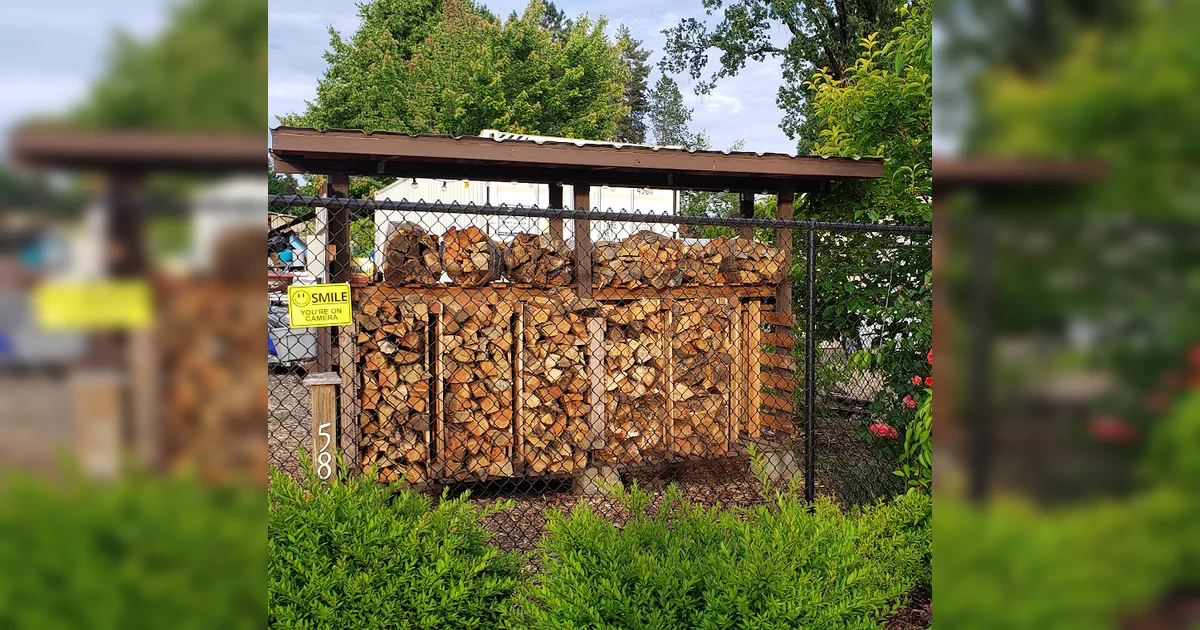
Face cord vs full cord trips up more buyers than anything else. A full cord is 128 cubic feet—that's a stack 4 feet high, 4 feet deep, and 8 feet long. A face cord (sometimes called a rick) is only 4 feet high and 8 feet long, but just one row of wood deep—typically 16 inches. That means a face cord is roughly one-third of a full cord. Some sellers advertise "cords" without specifying, then deliver a face cord and pocket the difference. Always ask explicitly: "Is this a full 128 cubic-foot cord or a face cord?" Get it in writing.
When you're looking at a cord of firewood delivered Oregon suppliers bring to your property, measure it yourself. Bring a tape measure. If the stack doesn't compute to 128 cubic feet (accounting for some air space between logs), you didn't get what you paid for.
Moisture content determines whether your wood burns or smolders. Properly seasoned wood has 20% moisture or less. Anything above that produces more smoke than heat, creates creosote buildup in your chimney (a fire hazard), and wastes your money. Ask suppliers for their moisture content and whether they measure it with a meter. Better yet, buy a $20-30 moisture meter yourself and test the wood when it arrives.
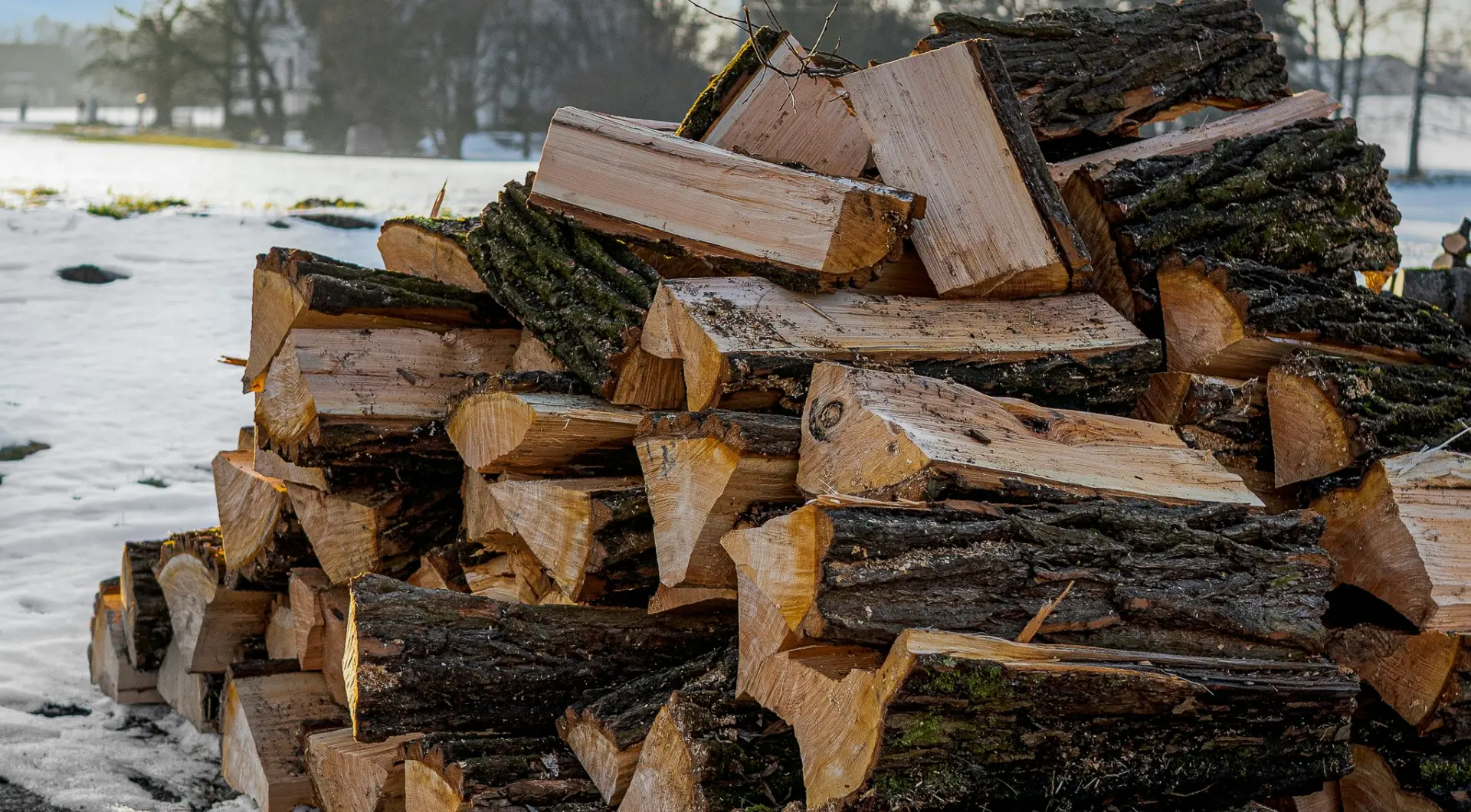
Visually, seasoned wood shows cracks (called "checking") radiating from the center on the cut ends. The bark often falls off easily. Pick up two pieces and knock them together—seasoned wood sounds hollow, almost like a drumbeat. Green wood thuds dully.
Kiln-dried vs. air-seasoned: Kiln dried firewood delivery Oregon companies offer costs 30-50% more than naturally seasoned wood, but it's ready to burn immediately and typically measures 10-15% moisture. If you're buying in October and need to burn right away, kiln-dried makes sense. If you're stocking up in spring or summer, air-seasoned saves money—just stack it properly and let it finish drying.
Oregon's climate varies dramatically. West of the Cascades, the damp winters mean wood seasons slower, and you need to stack it where it gets airflow and sun. East of the Cascades, the drier climate speeds seasoning, but you still need a full summer. Don't buy "green" wood (freshly cut) expecting to burn it that same winter—it won't be ready.
Price-wise, expect to pay more for oak or madrone than fir. A full cord delivered typically runs significantly less in rural areas than in Portland suburbs, and coast deliveries cost more due to travel distance. Get quotes from multiple suppliers, but remember: the cheapest option often means green wood, short-stacking, or partial cords.
Oregon-Specific Considerations
Oregon's split personality—wet west, dry east—affects your firewood strategy.
West of the Cascades, you're dealing with 40-60 inches of rain annually in the valleys, more in the Coast Range. Wood takes longer to season here, and if you stack it in full shade or directly on the ground, it'll rot before it dries. Stack on pallets or treated lumber, cover only the top (not the sides—you need airflow), and position your stack where afternoon sun hits it. South-facing is ideal.
The mild, wet winters also mean creosote builds up faster when you burn green or wet wood. Schedule chimney cleanings more frequently if you're burning softwoods like fir or if you suspect your wood isn't fully dry.
East of the Cascades, you've got 10-15 inches of rain and cold, dry winters. Wood seasons faster here, but you'll burn more of it—those sub-zero nights demand quality hardwood. Oak and madrone are harder to find east of the mountains; you'll see more juniper and pine mixed in with fir. Juniper burns hot but pops and sparks aggressively, so use it only in closed stoves or outdoor fire pits.
State regulations: Oregon law restricces moving firewood to prevent spreading invasive species. The Oregon Department of Forestry recommends buying firewood where you'll burn it. If you're headed to the coast for a vacation rental or to central Oregon for a cabin weekend, buy wood locally when you arrive. Don't haul it from home. Many state parks and campgrounds sell certified heat-treated firewood on-site—use that.
Forest Service and ODF lands sometimes allow personal firewood cutting with a permit. If you're interested, research permit requirements in your area—it's budget-friendly but labor-intensive. For most homeowners, buying from verified suppliers beats spending weekends with a chainsaw and splitter.
Finding the Right Supplier
Buying firewood isn't complicated, but asking the right questions up front saves you from disappointment when the truck arrives.
Start with these questions:
- "Is this a full cord or face cord, and what are the actual dimensions?"
- "What's the moisture content, and do you measure it?"
- "What species is this—pure oak, mixed hardwood, fir?"
- "Is delivery included, and how far do you deliver?"
- "Do you offer stacking, and what does that cost?"
If you're considering firewood delivered and stacked Oregon suppliers advertise, expect to pay extra—often $30-75 depending on cord size and how far they need to carry it. But if you have mobility issues or simply value your time, having someone else stack a cord neatly in your shed or along a fence beats spending your Saturday doing it.
Delivery distance matters. Suppliers typically deliver free or cheaply within 10-15 miles, then charge per mile beyond that. If you're rural, factor that in. Sometimes driving to pick up a half-cord yourself (if you have a truck and help loading) saves money.
Why local suppliers beat big-box stores: Home improvement stores sell bundled firewood at absurd per-cord prices—often 3-4x what a local supplier charges. Those bundles are convenient for one or two fires, but if you heat with wood or burn regularly, you need bulk firewood delivery from an actual firewood operation. Local suppliers also know the wood—they'll tell you how long it's been seasoned, where it came from, and what burns best. Plus, supporting local keeps your money in the community and ensures someone nearby can help if there's an issue.
Order firewood near me by browsing our Oregon directory. You'll find suppliers across the state, from Eugene to Bend to Portland suburbs. Many offer online ordering, delivery scheduling, and options for mixed cords (half oak, half fir, for example) so you can keep both long-burning and easy-lighting wood on hand.
If you're new to buying firewood, start with a half-cord to test a supplier's quality and your own burn rate. Once you've found someone reliable, order a full cord or more before fall demand hits. Suppliers often sell out of premium hardwoods by November, and prices sometimes creep up as winter approaches.
One last tip: If your firewood delivered to your door looks wrong—too wet, short-stacked, wrong species—address it immediately. Snap photos, measure the stack, and contact the supplier the same day. Reputable sellers will make it right. The ones who won't? You'll know not to use them again.
Browse Oregon's trusted firewood suppliers below, check their offerings and delivery areas, and get your woodpile stocked before the first cold snap. Nothing beats the warmth and ambiance of a well-tended wood fire, and having quality firewood on hand makes all the difference.

Marcus holds a degree in forestry and has consulted with firewood operations and state agencies on sustainable wood fuel practices since 2008.
Statewide Map
Browse by City
Top Rated Suppliers
Beaverton Family Firewood LLC
Ben Parker Cutting Inc

The Alsea Firewood Company
Lane Forest Products Inc
Lane Forest Products