Firewood Suppliers Near NJ
Best Firewood Types in New Jersey
New Jersey's coastal humidity and cold winters create specific demands for firewood that burns hot and resists moisture absorption. The hardwoods growing throughout the state — from the Pine Barrens to the Kittatinny Ridge — offer excellent fuel once properly dried.
Oak stands as the workhorse of New Jersey firewood. Red and white oak both deliver around 24-28 million BTUs per cord, creating long-lasting coals perfect for overnight burns. Oak takes 18-24 months to season properly in New Jersey's humid climate, but that wait pays off with consistent heat output. You'll find oak from nearly every supplier in the state, and for good reason — it's reliable, available, and burns clean once dried.
Hickory ranks even higher for heat production, pushing 28-30 million BTUs per cord. If you're heating a home rather than just enjoying ambiance, hickory gives you more heat per log. The wood is denser than oak, which means fewer trips to the woodpile on cold January nights. Hickory also produces less creosote buildup than softer woods, keeping your chimney cleaner between sweeps.
Maple offers a middle ground at 20-24 million BTUs per cord. Sugar maple and red maple both grow throughout New Jersey, making this wood readily available and often more affordable than oak or hickory. Maple seasons faster than oak — typically 12-18 months — and splits relatively easily. The wood burns with a pleasant aroma and minimal sparking, making it ideal for open fireplaces where popping embers could be a concern.
Cherry deserves mention for anyone who enjoys the experience as much as the heat. While it produces moderate BTUs (20-22 million per cord), cherry burns with a distinctive sweet aroma that fills your home. This wood works beautifully mixed with hotter-burning species for evening fires where ambiance matters.
One critical concern across New Jersey: the Emerald Ash Borer has devastated ash tree populations statewide since 2014. While ash is excellent firewood when available, many municipalities now restrict ash movement to contain the beetle's spread. Additionally, Spongy Moth (formerly Gypsy Moth) populations surge periodically, particularly in northern counties. These pests make it even more important to source firewood locally rather than transporting it from other regions.
Buying Guide & What to Watch For
The firewood market has its share of shortcuts and misunderstandings. Knowing what to ask prevents expensive mistakes.
The face cord confusion trips up new buyers constantly. A full cord measures 128 cubic feet — that's 4 feet high, 4 feet deep, and 8 feet long. A face cord (sometimes called a rick) is just one-third of that: 4 feet high, 8 feet long, but only 16 inches deep. Some sellers advertise "cords" at suspiciously low prices, then deliver face cords. Always confirm the exact dimensions you're buying. When comparing prices for seasoned firewood New Jersey suppliers offer, make sure you're comparing actual full cords.
Properly seasoned wood contains 20% moisture or less. Anything above that produces more smoke than heat, creates creosote buildup in your chimney, and makes lighting fires frustrating. Check the ends of split logs for radial cracks (called "checking") that extend from the center outward — this indicates proper drying. Knock two pieces together; seasoned wood sounds hollow rather than dull. The wood should feel noticeably lighter than fresh-cut timber. Reputable suppliers will tell you the seasoning period and moisture content. If they can't answer those questions, find a different supplier.
Kiln-dried firewood costs more but delivers immediate usability. The kiln process reduces moisture to 10-15% within days rather than months. For someone who needs wood right now or lacks storage space for seasoning, kiln dried firewood delivery New Jersey companies provide makes sense despite the premium. You'll pay 30-50% more, but you're buying convenience and guaranteed dryness. For regular heating needs, buying seasoned wood in spring for the following winter offers better value.
Pricing for a cord of firewood delivered New Jersey varies by wood type, seasoning, and delivery distance. Expect to pay more in northern counties where heating season runs longer and demand stays high. Mixed hardwoods typically cost less than single-species oak or hickory. Asking about bulk firewood delivery can reduce per-cord costs if you have storage space and want to stock up for winter.
Stacking service matters more than many buyers realize. A dumped pile of firewood delivered and stacked New Jersey suppliers offer saves hours of backbreaking work. Some companies include stacking within a certain distance of the delivery truck; others charge extra. Clarify this before ordering. Proper stacking also helps wood continue drying and keeps it accessible throughout winter.
New Jersey-Specific Considerations
New Jersey's climate creates unique firewood challenges. Coastal humidity from the Atlantic means wood takes longer to season here than in drier states. That oak that might dry in 12 months out West needs 18-24 months in New Jersey. The humid summers do help with initial drying, but fall and spring dampness can reverse progress if wood isn't stored properly. Always stack firewood off the ground with good airflow and cover only the top — sides need air circulation to dry.
State regulations prohibit moving firewood more than 50 miles from its source to prevent spreading invasive pests like Emerald Ash Borer, Spotted Lanternfly, and Asian Longhorned Beetle. These insects have devastated tree populations across the state, causing millions in damage. When you order firewood near me from local suppliers, you're not just supporting nearby businesses — you're protecting New Jersey's forests. Never transport firewood from out of state, even from your cabin in Pennsylvania or New York. The pests hitchhiking in that wood can establish new infestations.
The state's diverse geography affects firewood supply differently by region. Northwestern counties like Sussex and Warren have abundant hardwood forests, making firewood more available and sometimes less expensive. Central and southern regions rely more on tree services and land clearing operations for supply. Shore communities often see higher prices due to limited local sourcing and increased delivery distances.
Winter demand spikes hard in New Jersey. Once temperatures drop in November, suppliers with the best seasoned wood sell out quickly. Smart buyers order in late spring or summer when selection is broad and prices are often lower. Many suppliers offer discounts for early orders or pickup rather than delivery. If you're planning to heat primarily with wood, calculate your needs (a full cord typically provides 30-50 days of heat depending on home size and insulation) and order early.
Finding the Right Supplier
Choosing a firewood supplier requires asking the right questions upfront. Start with moisture content — any supplier worth using can tell you the seasoning period and approximate moisture percentage. If they can't or won't, that's a red flag. Ask what species they're selling; "mixed hardwood" should come with specifics about oak, maple, or whatever's in the mix.
Confirm delivery details including minimum order size, delivery area, and whether they stack or just dump. Some suppliers deliver only full cords; others will bring smaller amounts for an additional fee. Ask about the split size — pieces should be 16-18 inches for most fireplaces and wood stoves, but confirm this matches your needs.
Delivery distance affects both price and convenience. A supplier 10 miles away can deliver quickly if you need an emergency order mid-winter. They're also easier to contact if there's an issue with wood quality. The cost of firewood delivered increases with distance, so comparing nearby suppliers often yields better value than finding the absolute cheapest price from far away.
Check whether suppliers offer different grades or options. Some sell both kiln-dried and seasoned wood at different price points. Others provide premium single-species options alongside more economical mixed hardwood. Understanding these choices helps you match your budget to your needs.
New Jersey cord wood prices are among the highest in the region due to limited local timber and high demand — expect to pay $400–$550 per cord for seasoned hardwood delivered, with kiln-dried oak and cherry from premium suppliers running $550–$700.
Reading reviews from other customers reveals a lot about reliability and wood quality. Look for patterns in feedback about moisture content, delivery timing, and how suppliers handle problems. The best companies stand behind their wood and will address legitimate concerns about quality.
Local suppliers understand New Jersey's specific conditions — the humidity, the pests, the seasonal demand fluctuations. They've adapted their seasoning and storage practices to what actually works here rather than following generic advice. That local knowledge translates to better firewood for you.
Browse the verified suppliers across dozens of New Jersey communities to find options near you. From Cape May Court House to Lafayette Township, from White House Station to Warren and Newton, local suppliers throughout the state are ready to deliver quality firewood. Compare your options, ask the right questions, and you'll find a reliable source for split firewood delivered all winter long. When you choose local, you're getting wood that's been seasoned for New Jersey conditions by people who understand exactly what burns best in our climate.

Tom is a certified hearth professional with over two decades of experience advising homeowners on wood-burning appliances and fuel selection.
Statewide Map
Browse by City
Bedminster
1 suppliers
Belleville
1 suppliers
Berlin
1 suppliers
Cape May
1 suppliers
Cape May Court House
3 suppliers
Cedar Grove
1 suppliers
Edison
1 suppliers
Egg Harbor City
1 suppliers
Fair Lawn
1 suppliers
Farmingdale
1 suppliers
Hackettstown
1 suppliers
Hammonton
1 suppliers
Hasbrouck Heights
1 suppliers
Hillsborough Township
1 suppliers
Holmdel
1 suppliers
Howell Township
1 suppliers
Jackson Township
1 suppliers
Johnsonburg
1 suppliers
Lafayette Township
2 suppliers
Lebanon
1 suppliers
Long Branch
1 suppliers
Matawan
1 suppliers
Mays Landing
1 suppliers
Monroeville
1 suppliers
Montvale
1 suppliers
Newton
2 suppliers
Pennington
1 suppliers
Pittsgrove
1 suppliers
Southampton Township
1 suppliers
Succasunna
1 suppliers
Tinton Falls
1 suppliers
Vineland
1 suppliers
Warren
2 suppliers
Westwood
1 suppliers
White House Station
2 suppliers
Williamstown
1 suppliers
Woodbine
1 suppliers
Woodland Park
1 suppliers
Top Rated Suppliers

Liepe Firewood
Five Daughters Firewood
Kelly Plunkett Firewood
Copper Knoll Farms
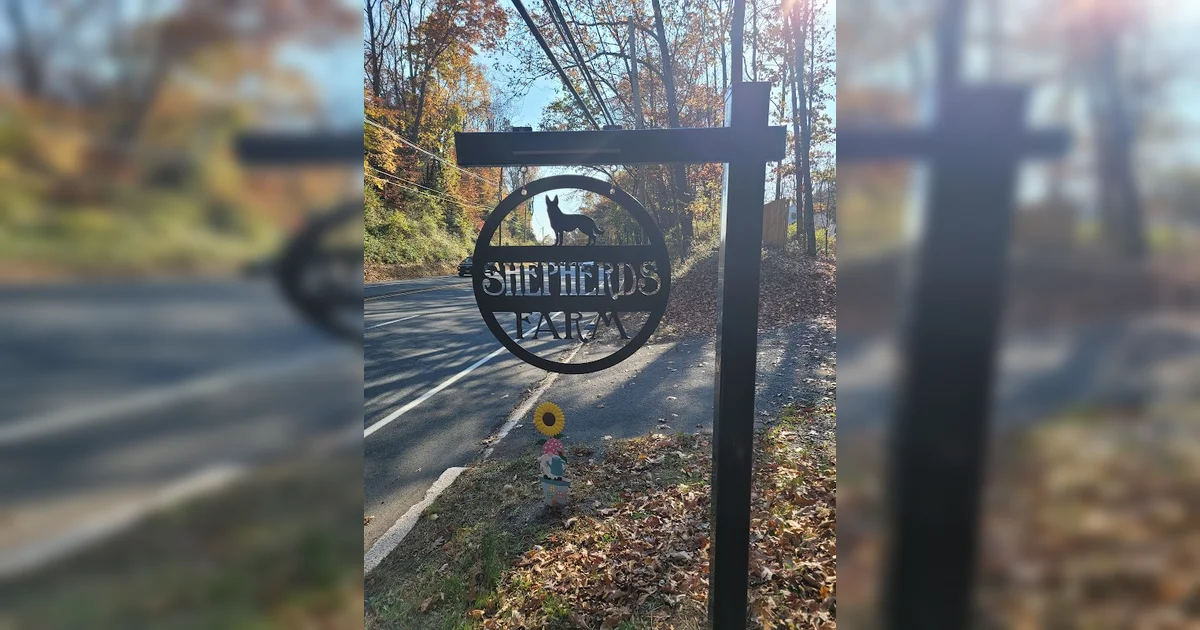
Shepherds Farm & Firewood