Firewood Suppliers Near Converse, LA
Find 1 verified firewood supplier in Converse.
Firewood Delivery in Converse, LA: What You Need to Know
If you're heating with wood in Converse, you've got a humid subtropical climate that demands properly seasoned firewood. Louisiana winters are mild compared to northern states, but that doesn't mean you can skimp on quality. Damp air and high moisture levels mean unseasoned wood will sit soggy in your shed—and won't burn worth a damn. You'll want firewood that's been split and dried for at least 6-12 months, ready to deliver straight to your door or stack in your yard.
The good news: local suppliers know exactly what works here. Oak and pecan are your bread-and-butter options in this region, and both burn hot and steady. When you're shopping for firewood delivered and stacked, specify that you want hardwoods, not pine. Pine might be cheaper, but it produces excessive creosote buildup in your chimney and doesn't hold a heat load like oak does.
Best Firewood Species for Converse
Oak is your workhorse. White oak and red oak both deliver around 24-26 million BTU per cord—that's the heat energy you get when a full cord burns completely. It's dense, seasons well, and splits reasonably clean. You'll pay a bit more, but one cord of oak outperforms two cords of softwood.
Pecan is a local treasure. It burns nearly as hot as oak (around 23 million BTU per cord), has a pleasant aroma, and seasons faster than oak due to its naturally lower density. If a supplier offers pecan in Converse, grab it.
Avoid pine, cypress, and other softwoods if you're planning to heat regularly. They're light on heat and heavy on creosote—that sticky stuff that builds up in your chimney and becomes a fire risk. Pine might cost $100 less per cord, but you'll burn through three times as much of it.
What to Expect from Local Delivery
Typically, firewood delivered and stacked in Converse runs $250-350 per cord, depending on wood type, delivery distance, and whether the supplier handles stacking. Most local operators offer quarter-cord and half-cord quantities if you don't need a full cord right away. That's practical if you're testing a new supplier or have limited storage.
Delivery timing varies. Summer orders are easiest—suppliers have open schedules. Winter demand spikes, so plan ahead if you need wood by December. A reputable local delivery service should confirm your address, discuss access (driveway width, gate locks, where you want it stacked), and show up within a week of booking.
Minimum orders usually start at a quarter cord, though some will do smaller loads for a delivery fee. Stacking adds $25-50 to your bill, but it's worth it if your back isn't what it used to be.
Spotting Quality Before It Arrives
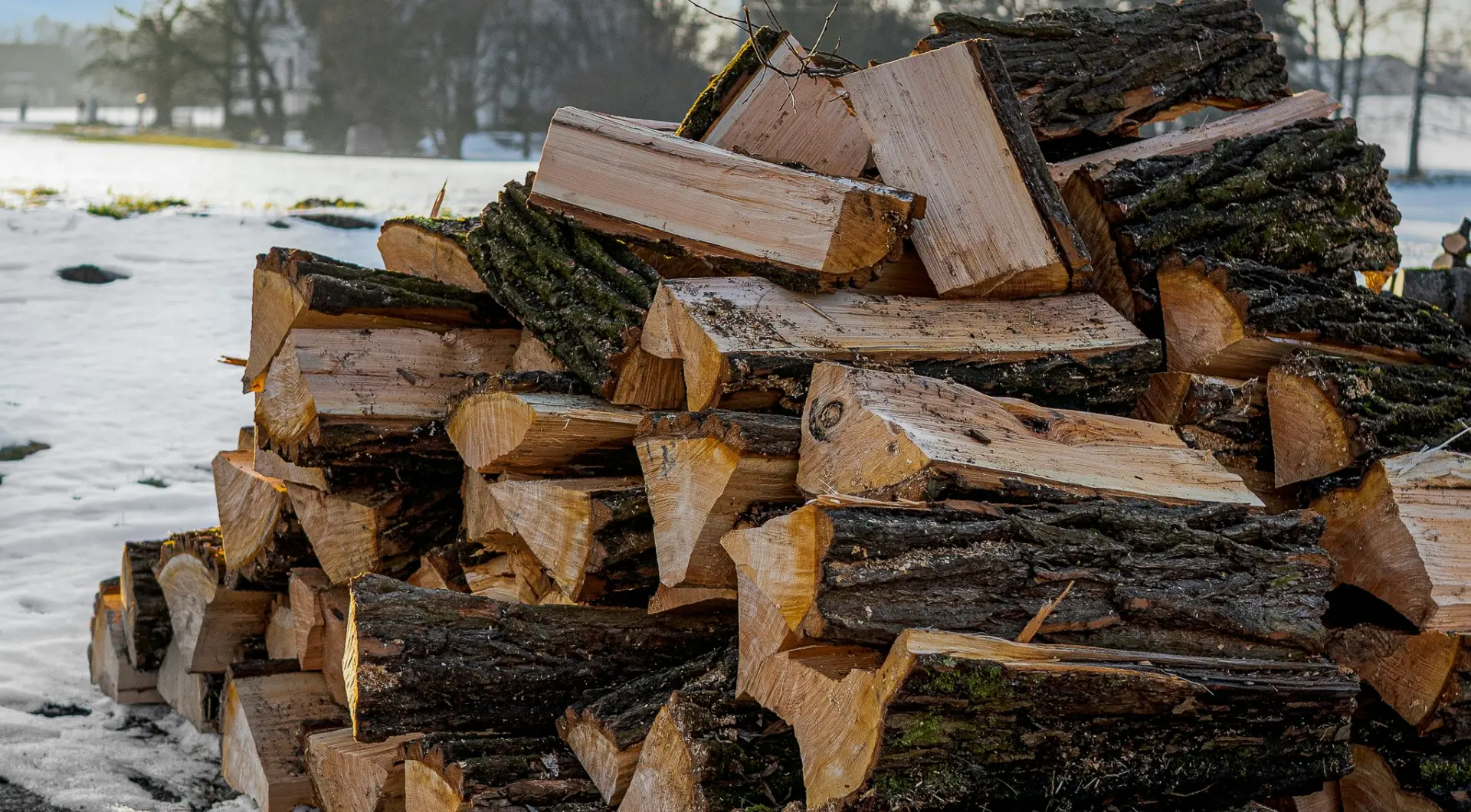
Seasoned wood has clear signs. The log ends should show deep cracks radiating from the center—that's moisture leaving the wood. Bark should peel back easily. When you strike two logs together, seasoned wood rings hollow; green wood sounds dull and heavy.
Moisture content matters. Good firewood sits at 15-20% moisture. Cheap suppliers sometimes deliver wood that's half-dried. Ask your supplier directly: "How long has this been seasoned, and where was it stored?" Vague answers are a red flag.
One regional concern: Southern Pine Beetle and Oak Wilt can affect firewood quality. Buy from suppliers within 50 miles who source locally—that keeps you clear of infested wood traveling long distances. Local Converse suppliers understand this already.
Order from someone who knows your area and can deliver promptly. Quality seasoned hardwood makes the difference between a fireplace that heats your home and one that just smokes up your living room.

Marcus holds a degree in forestry and has consulted with firewood operations and state agencies on sustainable wood fuel practices since 2008.