Firewood Suppliers Near IN
Best Firewood Types in Indiana
Indiana's best firewood comes from the timbered south. The Hoosier Hills in Monroe, Brown, and Lawrence counties produce excellent mixed hardwood — oak, hickory, and maple from mature forests. Brown County specifically is a hotspot for small-scale firewood operations that sell to the Nashville tourism crowd. The Calumet Region in northwest Indiana near Lake Michigan draws many buyers and is well-served by suppliers from both Indiana and Illinois.
When you're choosing firewood in Indiana, you're working with some of the best hardwoods in the Midwest. Oak is the workhorse here — both red and white oak deliver around 24-28 million BTUs per cord, burn slowly, and produce those long-lasting coals perfect for overnight heating. You'll find seasoned firewood Indiana suppliers stock oak as their primary offering because it's abundant and reliable.
Hickory runs even hotter at 28-30 million BTUs per cord, making it excellent for the coldest January nights when temperatures drop below zero. It's denser than oak, so you'll use less wood to maintain the same heat. The tradeoff? It's harder to split and usually costs a bit more. Many locals mix hickory with oak — hickory for the coldest stretches, oak for everyday burning.
Walnut and beech also grow throughout Indiana. Walnut burns clean with less smoke, which makes it popular for outdoor fire pits and smoking meat. Beech sits somewhere between oak and hickory for heat output and burns with minimal sparking, so it's safe for open fireplaces. If a supplier offers mixed hardwood, you're likely getting a combination of these species.
One concern specific to Indiana: the Emerald Ash Borer has devastated ash tree populations across the state. While ash was once a premium firewood choice, most reputable suppliers have moved away from it. If someone offers you cheap ash, verify it's been properly harvested and doesn't risk spreading the pest. The same applies to oak wilt in southern counties — local firewood sourcing helps contain these threats.
Buying Guide & What to Watch For
The face cord versus full cord issue trips up more Indiana buyers than anything else. A full cord measures 128 cubic feet — that's 4 feet high, 8 feet long, and 16 inches deep when stacked. A face cord (sometimes called a rick) is only 16 inches deep instead of 4 feet, giving you roughly one-third of a full cord. When you see "cord of firewood delivered Indiana" advertised at suspiciously low prices, they're often quoting face cords while you're thinking full cords.
Always confirm the actual measurement. Ask: "Is that a full 128 cubic feet, or a face cord?" Legitimate suppliers will specify clearly. If they dodge the question, shop elsewhere.
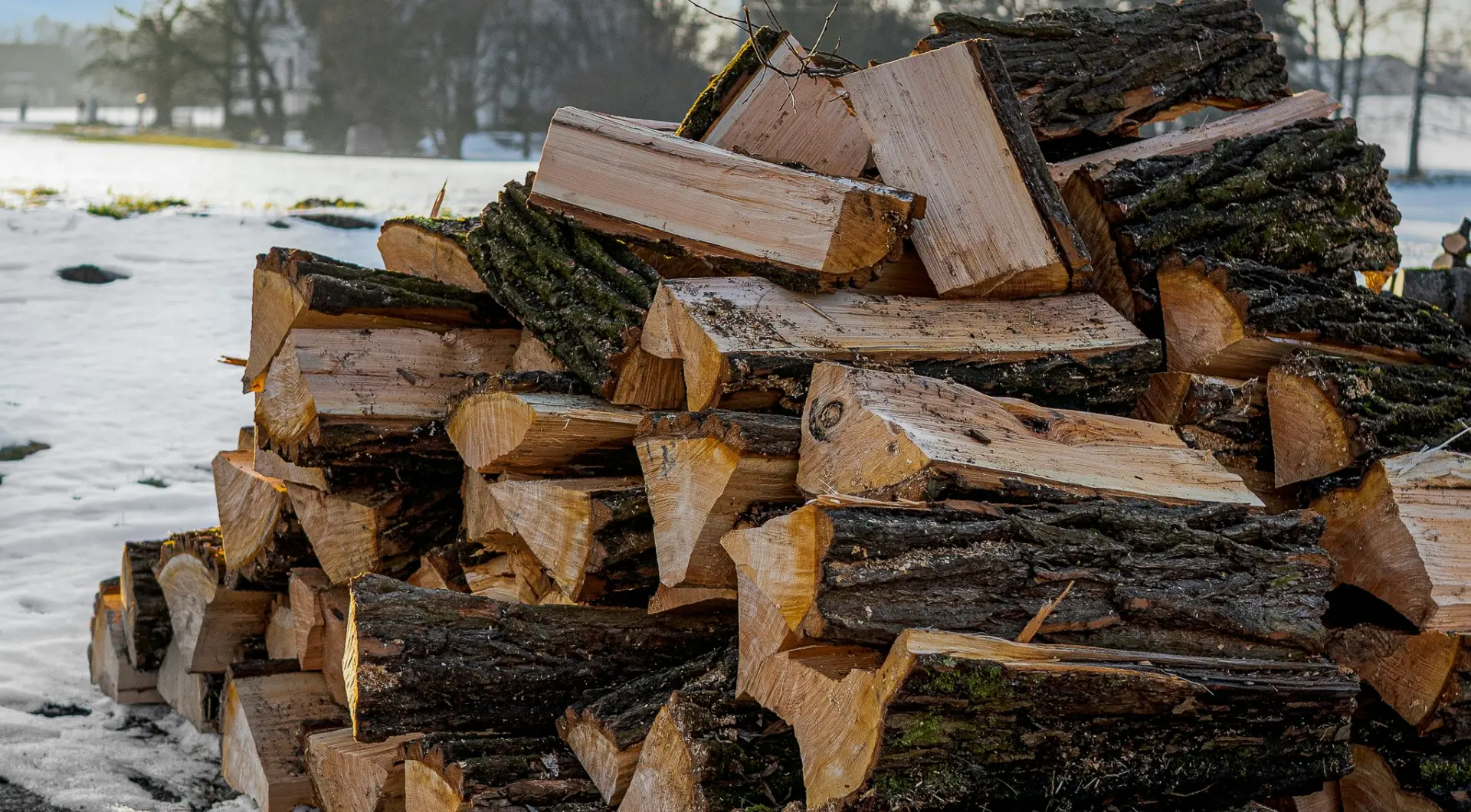
Properly seasoned firewood should have moisture content below 20%. You can check this yourself with a $25 moisture meter from any hardware store — split a piece, test the inside (not the cut ends), and verify the reading. Seasoned wood also shows checking (cracks) on the ends, sounds hollow when you knock two pieces together, and feels lighter than fresh-cut wood. Bark should be loose or falling off.
The kiln dried firewood delivery Indiana suppliers offer provides an alternative to traditional seasoning. Kiln-dried wood reaches below 15% moisture through industrial drying, meaning it's ready to burn immediately with no mold risk. You'll pay 20-40% more, but it's worth considering if you're buying in summer for immediate fall use, or if you have limited storage. For most people buying in fall for winter use, properly air-seasoned wood from a reliable supplier works fine.
Expect to pay more for split firewood delivered rather than rounds you split yourself. Stacking services cost extra too. When evaluating the cost of firewood delivered, remember that cord of wood delivered price includes fuel, labor, and equipment. A supplier 50 miles away offering a cheaper rate might not be saving you money once you factor in their higher delivery fees.
Indiana-Specific Considerations
Indiana's climate sits in that challenging zone where humidity makes proper seasoning tricky. Summer humidity regularly hits 70-80%, which slows drying even in well-stacked piles. This is why buying seasoned firewood Indiana suppliers have been drying for 12-18 months matters more here than in drier states. Wood cut in early spring needs a full year minimum before it's ready.
If you're storing wood yourself, stack it in a sunny spot with good airflow. Elevate the bottom row off the ground using pallets or treated lumber. Cover only the top — leave the sides open for air circulation. Many people make the mistake of wrapping stacks in tarps, which traps moisture and creates perfect conditions for mold and rot.
Indiana strictly regulates firewood transport to prevent spreading invasive pests. State guidelines recommend not moving firewood more than 50 miles from where it was cut. This isn't just a suggestion — moving infested wood has cost Indiana millions in tree loss and treatment programs. When you order firewood near me through local suppliers, you're supporting this containment effort. Ask suppliers where their wood originates. Reputable operations harvest within their county or adjacent counties.
The good news? Indiana's abundant forests mean local supply usually keeps prices reasonable compared to urban areas in other states. Northern Indiana has particularly strong hardwood stocks, while southern counties offer more variety in species.
Another local factor: many Indiana suppliers operate seasonally, ramping up in September and selling through March. If you want the best selection and can store wood properly, buy in late summer or early fall. By December, popular species like hickory often sell out, leaving you with whatever's available. Bulk firewood delivery orders placed early also give you more negotiating room on price.
Finding the Right Supplier
When you contact potential suppliers, ask these specific questions:
What's the moisture content, and will you verify it? Any supplier confident in their product will test wood before delivery. Some even include moisture meter readings in their invoices.
What species am I getting? "Mixed hardwood" could mean premium oak and hickory, or it could mean softer woods mixed in. Get specifics.
Is delivery and stacking included? Getting firewood delivered and stacked Indiana-style (properly piled, not just dumped) costs extra but saves you hours of back-breaking work. Clarify what "delivery" means — curbside dump or stacked where you want it.
What's your delivery radius, and what are the fees? Some suppliers offer free delivery within 20 miles, others charge per mile. A supplier in your town beats a distant vendor with slightly cheaper wood once you add delivery costs.
What's your return policy? Reputable suppliers stand behind their product. If wood arrives wet or incorrectly measured, they should make it right.
Local firewood delivery supports your regional economy and gives you recourse if something goes wrong. A supplier 15 minutes away can fix problems; a distant vendor you found online can't. You're also reducing the environmental impact of long-distance hauling and helping contain forest pests.
Look for suppliers who've been operating for several years, have verifiable reviews, and communicate clearly about what they're selling. When someone offers firewood delivered to your door at prices far below competitors, ask why. Sometimes it's efficiency and scale, but often it's green wood, face cords sold as full cords, or poor-quality species.
The suppliers in our directory serve communities throughout Indiana, from the northern lake regions around Elkhart and Warsaw to central and southern counties. Most offer delivery within their service area, several provide online ordering, and all have been verified for legitimate business practices. Browse by your city to find options that deliver to your location, compare offerings, and contact suppliers directly to discuss your needs. Whether you need a single cord for occasional fires or bulk firewood delivery for an entire heating season, buying from established local sources ensures you get quality wood that's ready to burn when you need it.

Sarah has 15 years of experience in the firewood industry, specializing in regional sourcing and supplier evaluation across North America.