Firewood Suppliers Near ID
Best Firewood Types in Idaho
Idaho's firewood demand divides sharply by geography. The Treasure Valley around Boise and Nampa is the state's largest buyer market, with cold winters and a large suburban population. The agricultural Palouse in the east has more self-sufficient buyers who often source directly from timber operations. The forested Panhandle around Coeur d'Alene and Sandpoint has the highest per-household consumption — long, cold winters mean many residents heat primarily with wood.
Idaho's forests give you solid heating options, but not all firewood burns the same. The species that matters most depends on whether you're heating your home through bitter January nights or enjoying weekend fires on the patio.
Pine dominates Idaho's wood supply, and while hardwood snobs might turn up their noses, it's actually quite useful. Ponderosa and lodgepole pine produce around 21-22 million BTUs per cord — that's respectable for softwood. Pine ignites quickly and burns hot but fast, making it perfect for taking the chill off on cool mornings or getting a fire started. The downside? It creates more creosote buildup in chimneys, so you'll need more frequent cleanings if pine is your primary fuel. For smoking meat, avoid pine entirely — the resin creates acrid flavors.
Douglas Fir ranks as Idaho's premium firewood. At 26 million BTUs per cord, it bridges the gap between fast-burning softwoods and slow-burning hardwoods. Fir splits easily, seasons in about 6-8 months under Idaho's dry conditions, and produces excellent coals for overnight burns. It's the workhorse wood most experienced Idahoans rely on for serious heating. The demand stays high, so seasoned Douglas fir typically commands premium prices.
Tamarack (Western Larch) is Idaho's secret weapon. This oddball conifer loses its needles in winter, and it burns more like hardwood than softwood. Tamarack delivers around 28 million BTUs per cord — comparable to ash or birch — and creates long-lasting coals perfect for heating through the night. The catch? It's harder to find than pine or fir, and it takes longer to season properly. If a supplier offers well-seasoned tamarack, grab it.
Birch appears less frequently in Idaho than in northern states, but it's worth buying when available. At 24 million BTUs per cord, birch provides good heat and burns cleaner than pine. The bark makes excellent kindling even when damp.
One concern across Idaho: bark beetles have devastated pine forests in recent years. Dead standing pine can make acceptable firewood if it's been dead less than a year, but avoid wood that's been dead multiple seasons — it loses heating value and becomes punky. Ask your supplier about the source.
Buying Guide & What to Watch For
Idaho's firewood market sees the same scams as everywhere else, plus a few regional twists. Here's what you need to know before handing over money.
The face cord trick catches newcomers every year. A full cord measures 128 cubic feet (4 feet high × 4 feet deep × 8 feet long). A face cord is 16 inches deep instead of 4 feet — that's one-third of a full cord. Some sellers advertise "cords" for suspiciously low prices, then deliver face cords. Always confirm dimensions in writing. If someone quotes you $150 for a "cord" when everyone else charges $300, you're probably getting a face cord.
Properly seasoned firewood contains 20% moisture or less. Here's how to verify:
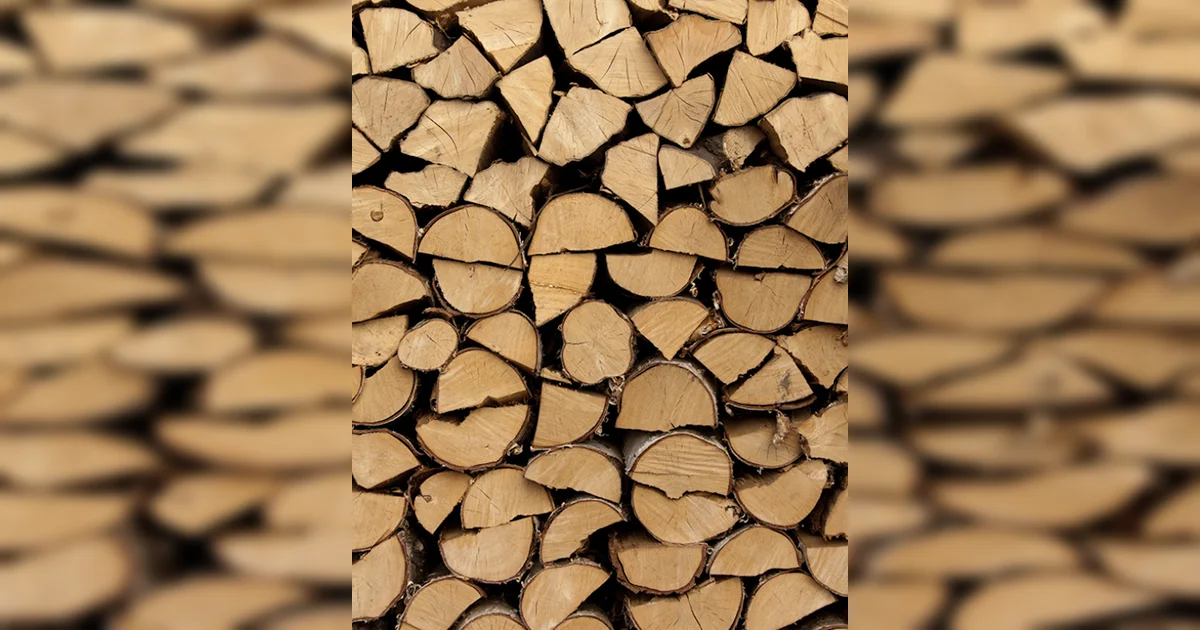
- End checking: Look for cracks radiating from the center of split pieces
- Sound test: Knock two pieces together — seasoned wood sounds hollow, green wood thuds
- Weight: Seasoned wood feels noticeably lighter than green wood
- Color: Split faces darken and gray as wood dries
- Bark: Bark loosens and falls off during seasoning
Bring a moisture meter to delivery if you're spending serious money. They cost $25 and eliminate guesswork. Test the inside of freshly split pieces, not the surface.
Kiln dried firewood has been artificially dried to below 20% moisture in large ovens. It costs more — sometimes double the price of seasoned wood — but lights easily and burns efficiently. Is it worth the premium? That depends. For occasional recreational fires, probably not. For primary heating with a high-efficiency EPA stove that demands dry fuel, kiln dried wood maximizes your investment. For pizza ovens and smoking, kiln dried provides consistent results.
Some suppliers now offer firewood delivered and stacked services. If your wood storage area is difficult to access or you can't handle the physical labor, paying $50-75 extra for stacking makes sense. Just verify what "stacked" means — neatly arranged in your wood shed, or dumped in a pile near your driveway?
Expect to pay $250-400 per full cord for seasoned firewood delivered within reasonable distances in Idaho. Premium hardwoods and kiln dried options run higher. Prices spike in November when procrastinators start calling, so order by late summer.
Idaho-Specific Considerations
Idaho's climate actually helps firewood buyers. The state's low humidity means properly stacked wood seasons faster than in muggy regions. Wood cut and split in spring can be ready by fall if you stack it in a sunny, windy location. That said, altitude matters — wood seasons slower at 6,000 feet than at 2,000 feet.
Never transport firewood long distances in Idaho. The state battles multiple invasive pests, and moving firewood spreads them. The Idaho State Department of Agriculture enforces quarantines on ash movement due to Emerald Ash Borer concerns. Mountain pine beetles have already caused enormous damage. Buy from local suppliers who source wood within 50 miles of your home. Most reputable firewood suppliers understand these regulations and follow them.
Winter delivery can be tricky in mountain communities. If you live outside Boise, Coeur d'Alene, or Idaho Falls, confirm your supplier delivers to your area in January and February. Some cut off remote routes once snow arrives. Order early or arrange pickup options.
Idaho's mix of public and private forestland creates opportunities. Some suppliers harvest beetle-kill wood under Forest Service permits. This wood can be excellent if properly dried, and buying it supports forest health. Ask about the source — beetle-kill Douglas fir is fine, but avoid pine that's been dead for multiple seasons.
Finding the Right Supplier
The right firewood supplier saves you money, time, and aggravation. Start by asking these questions:
- What's the moisture content? Anything above 20% isn't fully seasoned. If they can't answer, shop elsewhere.
- What species is this? Generic "mixed hardwood" or "mixed softwood" answers raise red flags in Idaho — reputable suppliers know their inventory.
- What are the dimensions? Get the measurement in cubic feet or confirm it's a full 128 cubic foot cord.
- Do you deliver? How far? What's the fee? Is there a minimum order?
- Do you stack? What does that cost?
- What's your return policy? Good suppliers take back wood that doesn't meet moisture guarantees.
- When was this cut and split? Wood cut last month isn't seasoned, regardless of what the seller claims.
Local suppliers matter more for firewood than almost any other product. A cord of wood delivered weighs around 2,500-4,000 pounds depending on species and moisture. That's not getting shipped across the state economically. Working with nearby suppliers means faster delivery, lower costs, and easier problem resolution. When you support local firewood businesses, you're also keeping money in Idaho's rural communities.
Check online reviews, but remember that firewood is agricultural — quality varies between loads even from good suppliers. One bad review among dozens of positive ones might just reflect one poorly seasoned load. Patterns matter more than individual complaints.
Many Idaho suppliers offer bulk firewood delivery discounts. If you have storage space and burn multiple cords annually, ordering 3-4 cords at once cuts per-cord costs significantly. Just make sure you can keep that much wood dry and accessible.
For those who prefer shopping from home, several local suppliers now offer online ordering systems where you can schedule delivery, specify wood type, and pay electronically. It's convenient, though you sacrifice the chance to inspect wood before delivery.
Browse our directory of verified Idaho firewood suppliers to compare options in your area. Each listing includes delivered pricing, available species, delivery radius, and customer reviews. Whether you need kiln dried firewood delivery for your pizza oven or split firewood delivered in multi-cord quantities for winter heating, you'll find suppliers who serve your part of the state.
Order before September if possible — you'll get better prices, wider selection, and guaranteed delivery dates. The cost of firewood delivered climbs as temperatures drop and inventory shrinks. Start your search today and you'll have dry, ready-to-burn wood stacked before the first snow flies.

Marcus holds a degree in forestry and has consulted with firewood operations and state agencies on sustainable wood fuel practices since 2008.
Statewide Map
Browse by City
Blackfoot
1 suppliers
Caldwell
1 suppliers
Coeur d'Alene
1 suppliers
Emmett
1 suppliers
Hayden
1 suppliers
Homedale
1 suppliers
Meridian
1 suppliers
Moyie Springs
1 suppliers
Nampa
2 suppliers
Parma
1 suppliers
Rathdrum
1 suppliers
Roberts
1 suppliers
Shelley
1 suppliers
Shoshone
1 suppliers
Twin Falls
1 suppliers
Weiser
1 suppliers