Firewood Suppliers Near HI
Best Firewood Types in Hawaii
Hawaii's firewood market bears no resemblance to the mainland. Kiawe (mesquite) and local hardwoods are sourced primarily on the Big Island, where higher elevations and ranch culture create real demand for campfire and cooking wood. Upcountry Maui at 2,000–4,000 feet elevation has cooler temperatures that generate modest heating demand. The North Shore of Oahu and similar coastal communities mainly use wood for beach fires and outdoor entertaining.
Hawaii's tropical climate creates unique challenges for firewood buyers. You're dealing with high humidity year-round, which means wood seasoning takes longer and imported hardwoods often arrive with moisture problems. The good news? The islands offer some exceptional native and naturalized species that burn beautifully once properly dried.
Kiawe (also called Hawaiian mesquite) stands out as the premier firewood in the islands. This dense hardwood produces around 28-30 million BTUs per cord—comparable to hickory or oak. Kiawe creates long-lasting coals perfect for overnight burns and adds a subtle sweet smoke that works wonderfully for grilling. The wood splits relatively easily when green but becomes rock-hard once seasoned. Most local suppliers price kiawe at a premium, but the extended burn time justifies the cost.
Eucalyptus grows abundantly throughout Hawaii and offers a solid middle-ground option. With BTU output around 20-24 million per cord, it burns hotter than many mainland softwoods but faster than kiawe. Eucalyptus ignites quickly and produces vibrant flames—great for ambiance but requiring more frequent loading. The aromatic smoke can be polarizing; some folks love the medicinal scent while others find it overwhelming indoors. For outdoor fire pits and pizza ovens, eucalyptus delivers excellent results at a lower price point than kiawe.
Ohia represents Hawaii's ecological heart, but availability remains limited. Many suppliers won't harvest ohia due to Rapid Ohia Death (ROD), a fungal disease devastating native forests. If you find certified disease-free ohia firewood, it burns similarly to oak with good heat output and minimal sparking. However, responsible buyers should prioritize kiawe and eucalyptus to reduce pressure on native ecosystems.
Koa occasionally appears in firewood markets, typically from land-clearing operations or furniture-making scraps. While koa burns well, using this valuable native hardwood for firewood feels like burning antique furniture. Save koa for woodworking—your fireplace won't notice the difference.
Pest concerns differ significantly from the mainland. Hawaii doesn't face Emerald Ash Borer or Spongy Moth issues, but the Coconut Rhinoceros Beetle poses threats to palm species. More critically, Two-Lined Spittlebug and various bark beetles can hitchhike in firewood between islands. Never transport firewood from one Hawaiian island to another—this practice spreads invasive species that devastate native forests.
Buying Guide & What to Watch For
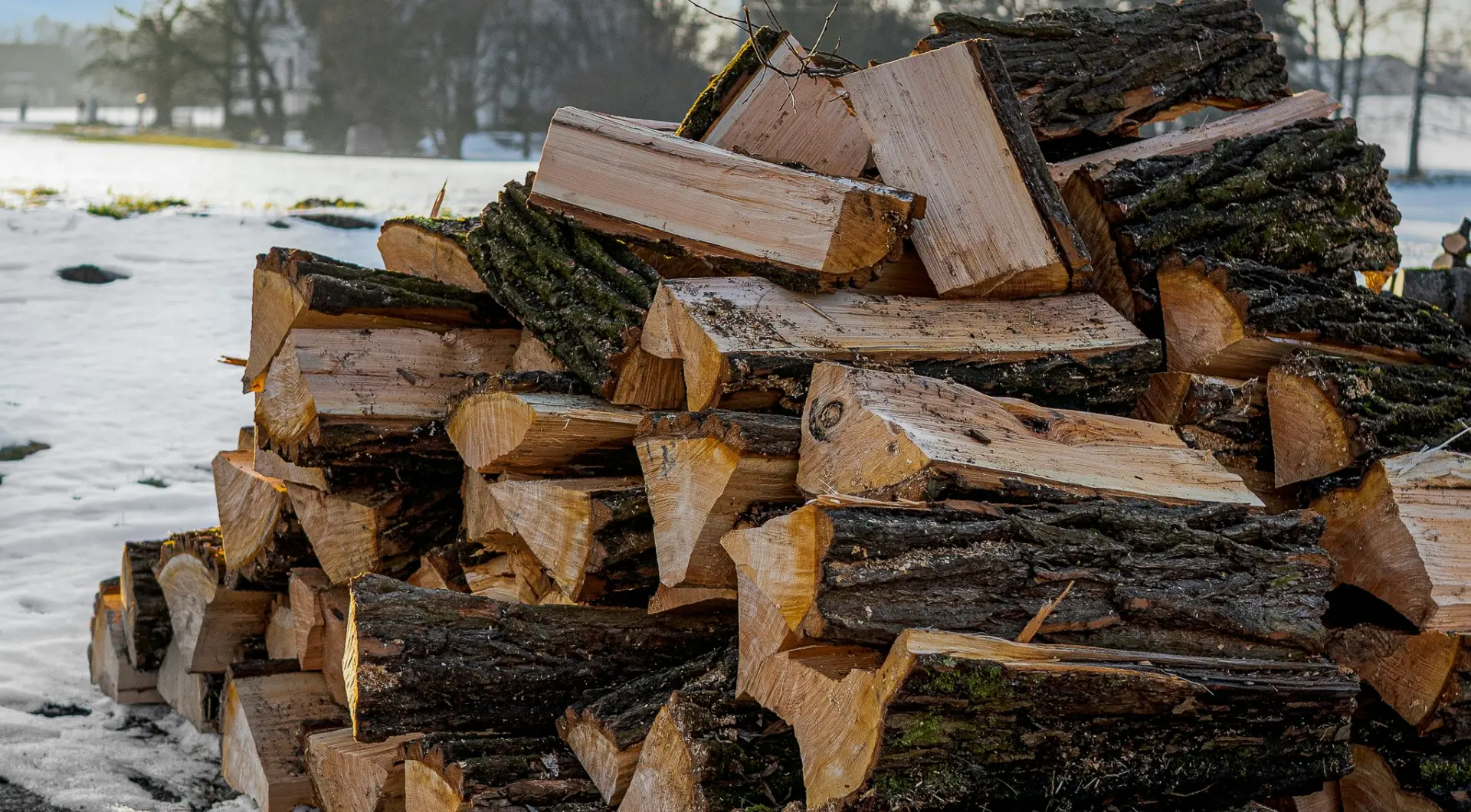
The face cord vs full cord confusion trips up mainland buyers and Hawaii residents alike. A full cord measures 128 cubic feet—that's a stack 4 feet high, 8 feet long, and 4 feet deep. A face cord (sometimes called a rick) is only 16 inches deep, giving you roughly one-third of a full cord. Unscrupulous sellers advertise "cords" at suspiciously low prices, then deliver face cords. Always confirm exact dimensions before paying.
When you're comparing prices for seasoned firewood Hawaii suppliers offer, calculate the actual cost per full cord. A $180 face cord equals $540 per full cord—suddenly that $450 full cord from another supplier looks much better.
Properly seasoned wood in Hawaii's humid climate requires extended drying time. Look for these indicators:
Moisture content below 20%: Reputable suppliers measure this with a moisture meter. Wood above 25% moisture creates more smoke than heat and gunks up chimneys with creosote. In Hawaii's humidity, achieving sub-20% moisture often takes 12-18 months for air-dried wood.
Visible checking: Seasoned logs show radial cracks extending from the center toward the bark. Fresh-cut wood has smooth, intact end grains.
Color and weight: Dried wood loses its bright color, turning gray or tan on the ends. Pick up a split piece—seasoned wood feels noticeably lighter than green wood of the same size.
The sound test: Knock two pieces together. Seasoned wood produces a sharp, hollow crack. Green wood makes a dull thud.
Kiln-dried firewood offers immediate usability. Commercial kilns heat wood to 140-180°F for several days, dropping moisture content to 15% or lower while killing insects and mold. For Hawaii residents dealing with persistent humidity, kiln dried firewood delivery Hawaii services provide wood that stays dry even during rainy season storage. You'll pay 30-50% more than air-dried, but kiln-dried wood lights faster, burns hotter, and eliminates the year-long waiting period.
The decision between kiln-dried and seasoned comes down to urgency and storage. If you're planning ahead and have covered storage space, air-dried seasoned wood costs less. If you need wood now or lack proper storage, kiln-dried justifies the premium.
Local firewood prices in Hawaii run higher than mainland rates due to transportation costs and limited supply. Expect to pay $300-500 per cord for seasoned firewood Hawaii suppliers deliver, with kiln-dried options reaching $500-700 per cord. Kiawe commands top-tier pricing while eucalyptus typically costs 20-30% less. These ranges fluctuate based on location—remote areas on outer islands pay more than Honolulu.
Be wary of prices significantly below market rates. Cheap wood usually means green (unseasoned) wood, face cords sold as full cords, or mixed junk wood with construction debris. You'll waste money on wood that won't burn properly.
Hawaii-Specific Considerations
Hawaii's tropical climate creates paradoxes for firewood users. You're buying heating fuel in a place where most homes lack fireplaces. But outdoor fire pits, pizza ovens, and imu (traditional Hawaiian earth ovens) create steady firewood demand. High humidity means wood seasoning requires extra attention.
Rain and humidity slow the seasoning process considerably. Wood that would dry in six months on the mainland might need 12-18 months in Hawaii. Stack your wood off the ground on pallets, allowing airflow on all sides. Cover the top to shed rain while leaving sides exposed—completely wrapping wood in tarps traps moisture and promotes mold growth.
Trade winds help the seasoning process. Position woodpiles where prevailing winds can circulate through the stack. The combination of wind and occasional dry spells eventually brings moisture content down, but patience is essential.
Hawaii enforces strict firewood transport regulations to prevent invasive species spread. State law prohibits moving untreated firewood between islands. The Coconut Rhinoceros Beetle, Little Fire Ant, and various plant pathogens spread through firewood transport. Violating inter-island firewood rules can result in significant fines.
Even within islands, buy wood as close to your location as possible. Many suppliers specifically mention whether their wood comes from local sources or imported from the mainland. Mainland hardwoods like oak occasionally appear in Hawaii markets, shipped as kiln-dried material that meets USDA heat treatment standards.
For a cord of firewood delivered Hawaii residents should confirm the supplier sources wood responsibly. Ask whether wood comes from invasive species removal projects, land clearing operations, or sustainable forestry. Given Hawaii's fragile ecosystems, supporting suppliers who prioritize environmental stewardship matters.
Storage logistics differ from mainland practices. Few Hawaii homes have basements or enclosed garages for firewood storage. You're working with carports, lanais, or outdoor sheds. Invest in heavy-duty tarps or build a simple three-sided shelter to protect your wood supply. Elevate stacks at least six inches off the ground to prevent ground moisture absorption and termite access.
Finding the Right Supplier
When contacting suppliers for firewood delivered and stacked Hawaii services, ask specific questions:
What's the current moisture content? Any supplier worth buying from measures this and provides honest answers. If they can't tell you, shop elsewhere.
Which wood species do you carry? Knowing whether you're getting kiawe, eucalyptus, or mixed wood helps you evaluate pricing and burning characteristics.
How do you measure a cord? This question separates honest suppliers from scam artists. Look for clear answers about dimensions and delivery methods.
Do you stack, or dump? Some suppliers offer split firewood delivered and neatly stacked for an additional fee. Others dump wood in your driveway, leaving you several hours of stacking work. Factor this into your cost comparison—paying $50-100 for stacking service beats spending your Saturday moving two tons of wood.
How far do you deliver? Suppliers typically service specific radius zones. Delivery fees increase with distance, sometimes significantly.
What's your cancellation and return policy? Reputable suppliers stand behind their wood quality. If you receive green wood advertised as seasoned, you should have recourse.
Buying from local suppliers offers advantages beyond convenience. Local operations understand Hawaii's climate challenges and season wood appropriately. When issues arise, you're dealing with a business you can visit in person rather than tracking down a fly-by-night operator.
Local suppliers also contribute to Hawaii's economy, keeping money within island communities rather than flowing to mainland corporations. Given Hawaii's isolation and high cost of living, supporting local businesses strengthens community resilience.
For bulk firewood delivery needs—if you're heating with wood full-time or running a restaurant with a wood-fired oven—establish relationships with suppliers early. Many operations offer discounts for multi-cord orders and priority scheduling for repeat customers.
Don't automatically choose the cheapest option when comparing the cost of firewood delivered. A supplier charging $50 more per cord but delivering properly seasoned wood saves you money compared to burning green wood that produces half the heat. Calculate the cord of wood delivered price based on actual heat value, not just sticker price.
Browse our directory of verified Hawaii firewood suppliers to find local operations serving your area. Each listing includes customer reviews, wood types available, delivery areas, and whether they offer services like stacking or online ordering. You'll find suppliers throughout Honolulu, Waialua, Lihue, and other communities across the islands. Compare options, read reviews from other Hawaii residents, and order firewood near me from suppliers who understand local conditions and deliver quality products.

Tom is a certified hearth professional with over two decades of experience advising homeowners on wood-burning appliances and fuel selection.