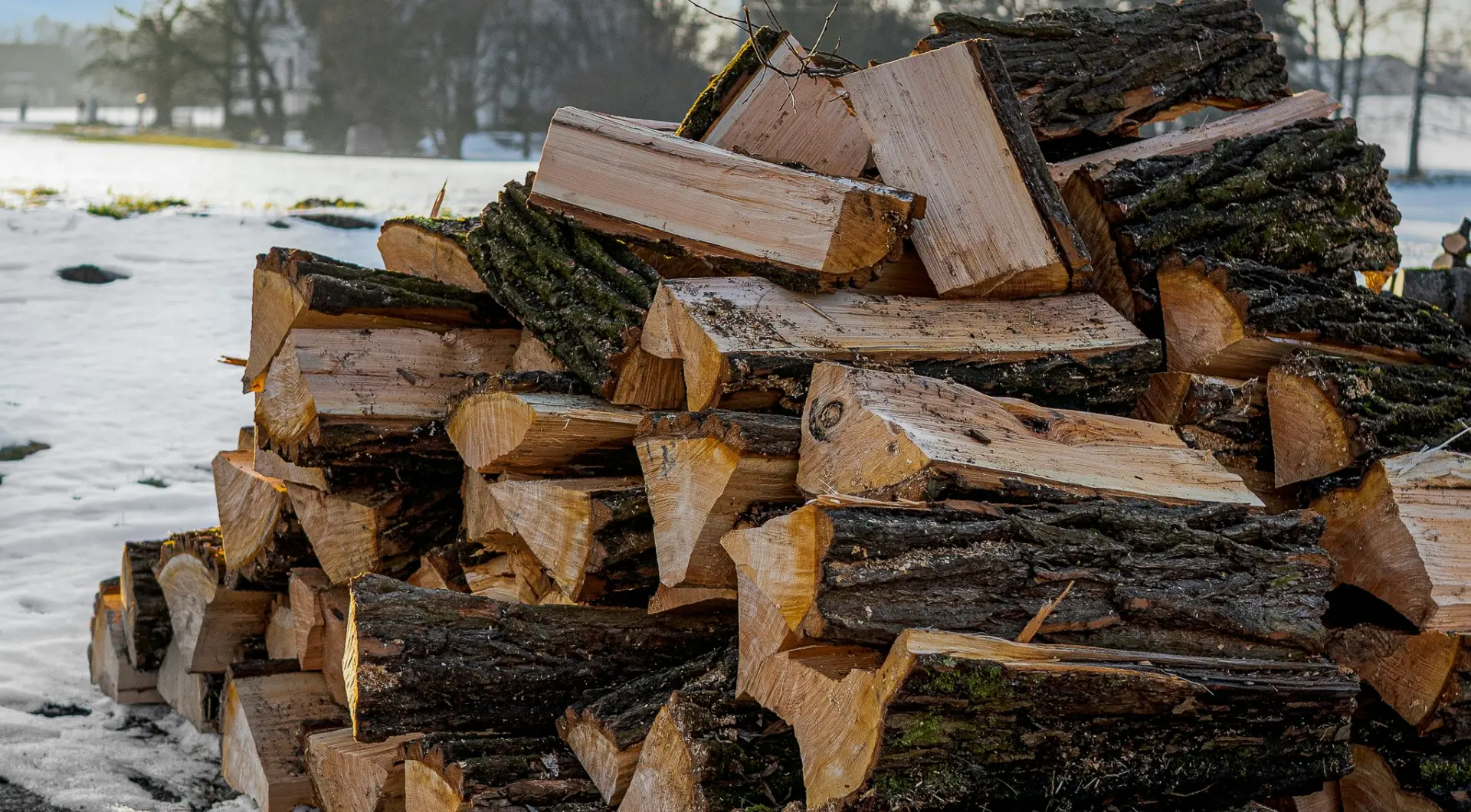
Firewood Suppliers Near DE
Finding Quality Firewood Delivery in Delaware
Delaware's dense hardwood forests and coastal climate create ideal conditions for growing oak, hickory, and other premium firewoods. Whether you're heating your Wilmington rowhouse or keeping a weekend fire going at your Rehoboth cabin, understanding what separates good firewood from bad can save you hundreds of dollars and countless headaches.
The state's small size means most suppliers can reach you quickly, but that same proximity makes choosing the right vendor critical. You'll find dozens of local suppliers throughout the region, from established tree services that sell split wood as a byproduct to dedicated firewood operations that kiln-dry and deliver year-round.
Best Firewood Types in Delaware
Delaware's mid-Atlantic location gives you access to some of North America's finest burning hardwoods. The same temperate climate that made this region's forests famous produces dense, high-BTU firewood that burns clean and long.
Oak dominates Delaware's firewood market for good reason. Red oak and white oak both grow abundantly here, and they deliver 24-27 million BTUs per cord — among the highest heat output of any common firewood. Oak splits relatively easily when green, seasons in 12-18 months, and produces long-lasting coals perfect for overnight burns. White oak burns slightly hotter and cleaner than red oak, but both work beautifully. If you're buying seasoned firewood Delaware suppliers offer, oak should be your default choice for primary heating.
Hickory rivals oak for heat output (about 28 million BTUs per cord) and adds a pleasant aroma that makes it popular for both heating and smoking meat. It's denser and harder to split than oak, which means it takes longer to season — expect 18-24 months for proper drying. Shagbark hickory grows wild throughout Delaware, and you'll see it mixed into premium firewood loads. The tradeoff: hickory costs more and throws more sparks than oak, so use a quality fireplace screen.
Maple shows up in many Delaware firewood loads, particularly sugar maple and red maple. It burns cleaner than oak with less smoke, making it excellent for homes with draft issues. At 24 million BTUs per cord, sugar maple matches oak for heat. Red maple runs slightly cooler but seasons faster (6-12 months). Maple splits easily and stacks tight, so you'll fit more actual wood in your storage area compared to gnarly oak rounds.
Cherry occasionally appears in mixed loads from tree services. It's beautiful firewood — burns with minimal smoke, smells wonderful, and produces steady heat around 20 million BTUs per cord. Cherry seasons quickly (6-8 months) and splits like butter. The downside: it's relatively soft, so it burns faster than oak or hickory. Use cherry for shoulder-season fires or blend it with denser woods for all-night burns.
One regional concern: the Spotted Lanternfly has established populations in northern Delaware, particularly New Castle County. This invasive pest doesn't damage firewood quality, but it hitchhikes on wood piles and logs. Buy from local suppliers and never transport firewood more than 10 miles from where you purchase it. The Delaware Department of Agriculture actively monitors for Emerald Ash Borer and Spongy Moth as well — both can devastate local forests if spread through firewood movement.
Buying Guide & What to Watch For
The firewood industry runs on trust, and unfortunately, some sellers exploit that. Here's what you need to know before handing over your credit card.
Face cord vs full cord causes more disputes than any other firewood issue. A full cord measures 4 feet high × 4 feet deep × 8 feet long — that's 128 cubic feet of stacked wood, bark, and air space. A face cord (also called a rick) is 4 feet high × 8 feet long × whatever the piece length is, usually 16 inches. That makes a face cord exactly one-third of a full cord. Some sellers advertise "cords" at suspiciously low prices, then deliver face cords. Always confirm the measurement in writing: "I'm buying a full cord, 128 cubic feet, correct?" Get it in your email or text thread.
When you're looking at a cord of firewood delivered Delaware suppliers provide, the wood should be stacked in your driveway or yard in a measurable pile. Dumped wood always looks like more than it is. If you ordered stacking service, watch them do it or measure immediately after.
Moisture content separates usable firewood from smoking, hissing junk. Properly seasoned wood registers below 20% moisture on an inexpensive moisture meter (under $25 at any hardware store). Split a few pieces and test the freshly exposed interior — not the outside, which dries faster. Wood above 25% moisture produces more creosote, less heat, and more smoke. It's genuinely dangerous in woodstoves and can cause chimney fires.
You can spot seasoned wood without a meter: look for cracks radiating from the center of each cut end (called "checking"), darkened ends versus bright white fresh-cut color, and bark that falls off easily. Knock two pieces together — seasoned wood sounds hollow, while wet wood makes a dull thud. The weight test works too: seasoned wood feels noticeably lighter than green wood of the same size.
Kiln dried firewood delivery Delaware operations offer is premium product that's been artificially dried in heated chambers to 10-15% moisture. It costs 20-40% more than air-dried seasoned wood, but it lights easily, burns hotter, and you can use it immediately. Kiln drying also kills insects and mold. It's worth the premium if you need wood right now (you bought a house in November and the stack is empty) or if you're burning in a high-efficiency EPA stove that demands low-moisture fuel. For casual fireplace use, properly seasoned air-dried wood works fine.
If you're getting firewood delivered and stacked Delaware style, expect to pay $30-60 extra per cord depending on distance from the truck and stacking complexity. Basement deliveries through bulkhead doors or tight side yards cost more. Confirm stacking details before delivery day — "neatly stacked against the garage" means different things to different people.
Price expectations: seasoned hardwood in Delaware typically runs $200-300 per full cord for self-pickup, $250-375 delivered and dumped, and $280-425 delivered and stacked. Kiln-dried premium oak or hickory can hit $400-500 per cord delivered. Prices spike in October-November when everyone suddenly remembers they need firewood, so order in spring or summer if possible.
Delaware-Specific Considerations
Delaware's humid coastal climate affects firewood in ways that surprise people moving here from drier states. Summer humidity hovers around 70%, and even winter moisture levels stay relatively high compared to interior regions. This means wood takes longer to season properly.
A cord of oak cut and split in March might be ready by October in Arizona, but it needs until the following spring in Delaware. When suppliers advertise "seasoned" wood, ask specifically how long it's been drying and whether it was covered. Tarped wood with airflow underneath seasons; wood sitting in a wet pile just rots.
The state's Don't Move Firewood regulations matter more than you'd think. Delaware law prohibits moving firewood more than 50 miles from its source to prevent spreading invasive insects and diseases. Realistically, you should source even more locally — within your county if possible. Every major firewood pest hitchhikes on logs: Emerald Ash Borer (devastating ash trees), Spotted Lanternfly (threatening agriculture), Asian Longhorned Beetle (attacks maples), and various oak diseases.
Buy from suppliers who cut locally and can tell you the wood's origin. Avoid the guy selling "seasoned hardwood" from a pickup truck at the Wawa parking lot — you have no idea where that wood came from or what it's carrying.
Delaware's relatively mild winters (January averages 30-35°F) mean you'll burn less wood than someone heating a similar home in Vermont or Maine. Figure 3-5 cords per winter for primary heating, 1-2 cords for weekend/supplemental fires. The shoulder seasons (October-November and March-April) are perfect for burning softer woods like cherry or ash that might burn too fast during bitter January cold snaps.
Finding the Right Supplier
Start your search by asking the right questions. When you contact suppliers, here's your script:
"What species do you have available?" Look for someone who can tell you exactly what you're getting. "Mixed hardwood" is fine if they specify oak, maple, hickory, ash, or similar quality woods. Run from vague "hardwood mix" without details.
"How long has it been seasoning?" You want 12+ months for oak and hickory, 6-12 months for maple and cherry. If they say "it's ready to burn" without a timeframe, press for details.
"What's the moisture content?" Professional operations test and can give you a number. If they can't or won't, that's a red flag.
"What does delivery include?" Confirm pricing for dumped versus stacked, any distance limitations, and whether they'll stack in a specific location or just "somewhere in your driveway."
"Do you sell by full cord or face cord?" This question alone identifies most scammers. Honest sellers will clearly explain their measurements.
Buying local isn't just about supporting Delaware businesses (though that matters). Local suppliers deliver faster, know the wood species in your area, and you can actually visit their operation before committing to multiple cords. If something goes wrong — wood is wetter than promised, the delivery driver tore up your lawn, you got shorted — you can resolve it in person rather than playing phone tag with some regional operation.
Local suppliers also tend to offer better service on split firewood delivered to complicated locations. They know the neighborhoods, understand local regulations about street parking for delivery trucks, and often provide more flexible scheduling.
For bulk firewood delivery needs — you're heating a large home all winter or supplying a rental property — local relationships become even more valuable. Order early (spring or summer), pay a deposit to lock in pricing, and work with suppliers who've been operating for years, not fly-by-night operations that vanish come spring.
When calculating firewood delivery cost, factor in your time and vehicle wear. Pickup loads save money upfront but require a truck, multiple trips for significant volume, heavy lifting, and your entire Saturday. For most people buying a cord or more, delivered and stacked pricing makes more sense than the apparent savings of self-haul.
Our directory includes verified suppliers throughout the First State who've demonstrated reliability, fair pricing, and quality product. You'll find operations near Wilmington, Dover, Newark, and throughout Sussex County's beach communities. Each listing shows available species, delivery areas, services offered, and verified customer ratings.
Browse suppliers in your area, compare pricing and services, and order early. Nothing beats a well-stocked woodpile when that first cold snap hits and you're ready to light your first fire of the season. Your future self, warm and comfortable while the wind howls outside, will thank you for doing the homework now.

Marcus holds a degree in forestry and has consulted with firewood operations and state agencies on sustainable wood fuel practices since 2008.