Firewood Suppliers Near CT
Best Firewood Types in Connecticut
Connecticut's hardwood forests give you access to some of the best heating woods in the Northeast. Oak dominates here — both red and white varieties — and for good reason. It delivers around 24-28 million BTUs per cord and burns slow and steady through those long February nights when the wind's howling off Long Island Sound. You'll pay a premium for seasoned oak firewood Connecticut suppliers offer, but it's worth every penny if you're heating daily.
Maple runs a close second and actually burns hotter than oak initially, making it perfect for getting your stove up to temperature quickly. Sugar maple and red maple both grow abundantly here, and they season faster than oak — about 8-10 months versus oak's 12-18 months. Birch is your go-to for shoulder season burning in October and April. It lights easily, burns hot and fast, and produces those gorgeous flames guests love to watch. The bark makes excellent kindling too.
Beech deserves mention because it's everywhere in Connecticut and often gets overlooked. It burns nearly as well as oak with similar BTU output, and suppliers sometimes price it lower because homeowners don't request it as often. If you see beech available, grab it.
One critical concern: the Emerald Ash Borer has devastated ash trees throughout Connecticut. While ash is excellent firewood when properly seasoned, never transport it from infested areas. The state also deals with Spongy Moth (formerly Gypsy Moth) issues, so inspect any delivered wood for egg masses — they look like tan felt patches on bark. Reputable suppliers know to check for this, but it's your home, so verify.
Buying Guide & What to Watch For
Let's talk measurements because this trips up almost everyone buying their first cord. A full cord is 128 cubic feet — that's a stack 4 feet high, 4 feet deep, and 8 feet long. A face cord is one-third of that, typically 4x8 feet but only 16 inches deep. Some sellers will quote you a face cord price and hope you think you're getting a full cord. Always confirm what you're actually buying.
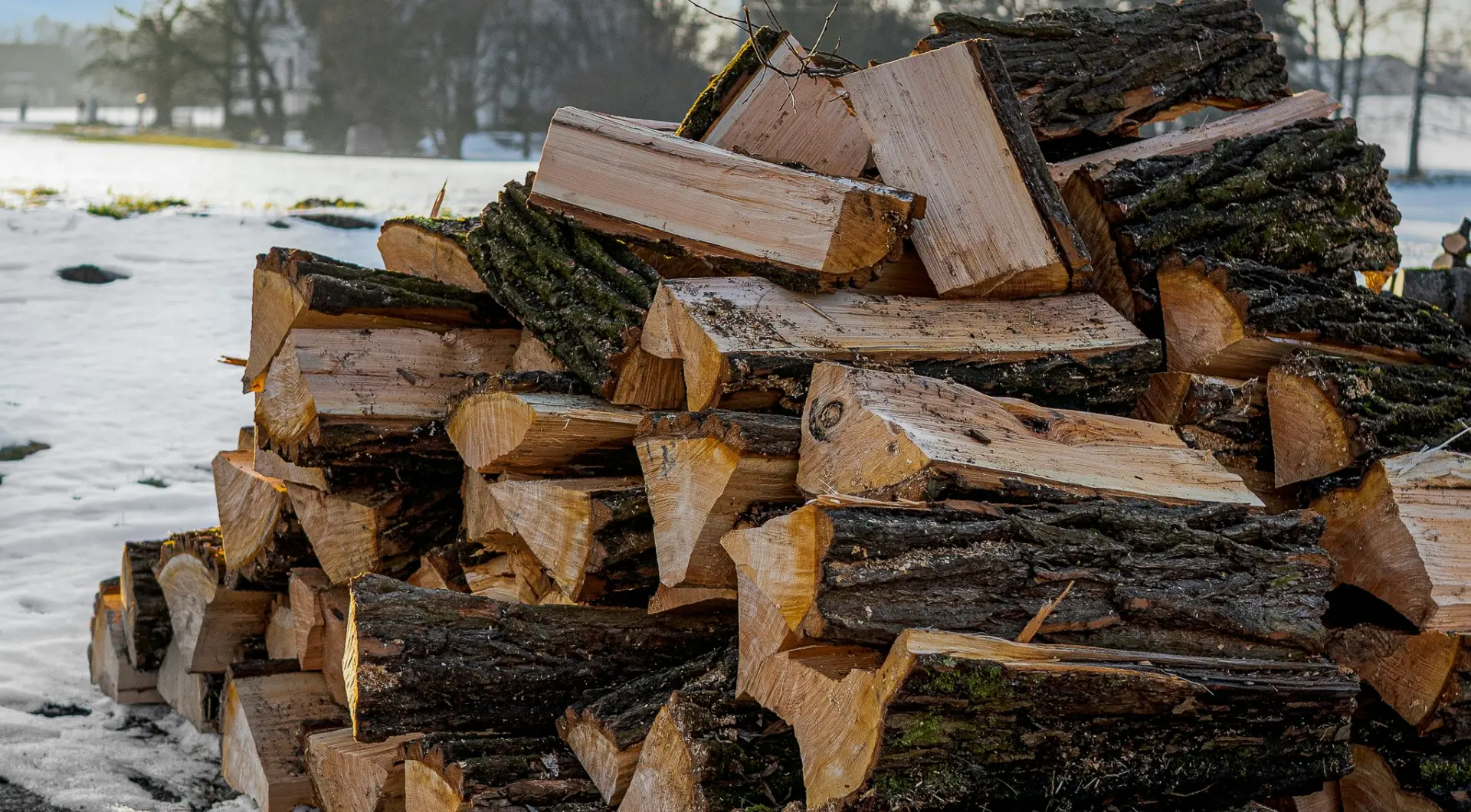
When you're looking at seasoned firewood Connecticut sellers advertise, you need to verify moisture content. Properly seasoned wood sits below 20% moisture. At 25% or higher, you're burning energy just to boil off water instead of heating your home. Ask suppliers if they use a moisture meter — good ones will show you readings before delivery. Visual checks help too: look for deep cracks radiating from the center of split ends (called checking), grayish rather than bright white wood color, and bark that's loose or falling off.
Kiln dried firewood delivery Connecticut companies offer costs more, but it's ready to burn immediately at 10-15% moisture content. If you're ordering in November and need to burn in December, kiln-dried saves you. For next season's supply, properly air-dried wood works fine and costs less.
Connecticut cord wood prices reflect the region's high demand and limited local supply — seasoned hardwood (oak, ash, maple) typically runs $350–$475 per cord delivered, while kiln-dried loads from reputable suppliers go for $450–$600.
Expect to pay more per cord than you would in rural Vermont or upstate New York. You're paying for proximity to populated areas and the convenience of delivery. A cord of firewood delivered Connecticut prices typically run higher near Stamford, Greenwich, and other Fairfield County towns than in Litchfield County. That's just economic reality.
Connecticut-Specific Considerations
Connecticut's climate actually complicates seasoning. You get decent summer heat for drying, but humidity off the Sound and from all those lakes means wood seasons slower than in drier states. If someone tells you their oak was cut in March and ready by September, they're either lying or it was kiln-dried. Connecticut oak needs a full year minimum, preferably 18 months.
The state has clear regulations about moving firewood to prevent invasive pest spread. Don't transport firewood more than 10 miles from where you buy it if possible, and never bring wood from out of state for camping or home use. The Department of Energy and Environmental Protection takes this seriously because the Emerald Ash Borer, Asian Longhorned Beetle, and Spongy Moth have all caused massive damage here.
Your local supplier base varies dramatically by region. Litchfield County and northeastern Connecticut have abundant rural suppliers with their own woodlots. Fairfield County relies more on professional firewood companies that source from multiple locations and often offer premium services like stacking. If you're in New Haven or Hartford, you'll find both types.
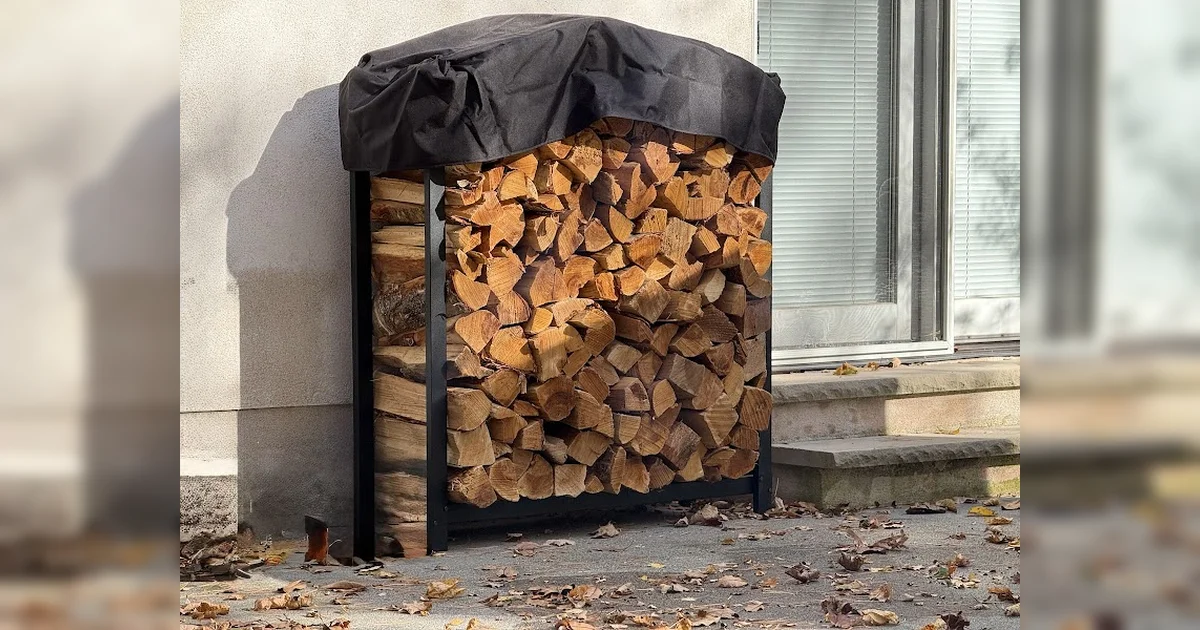
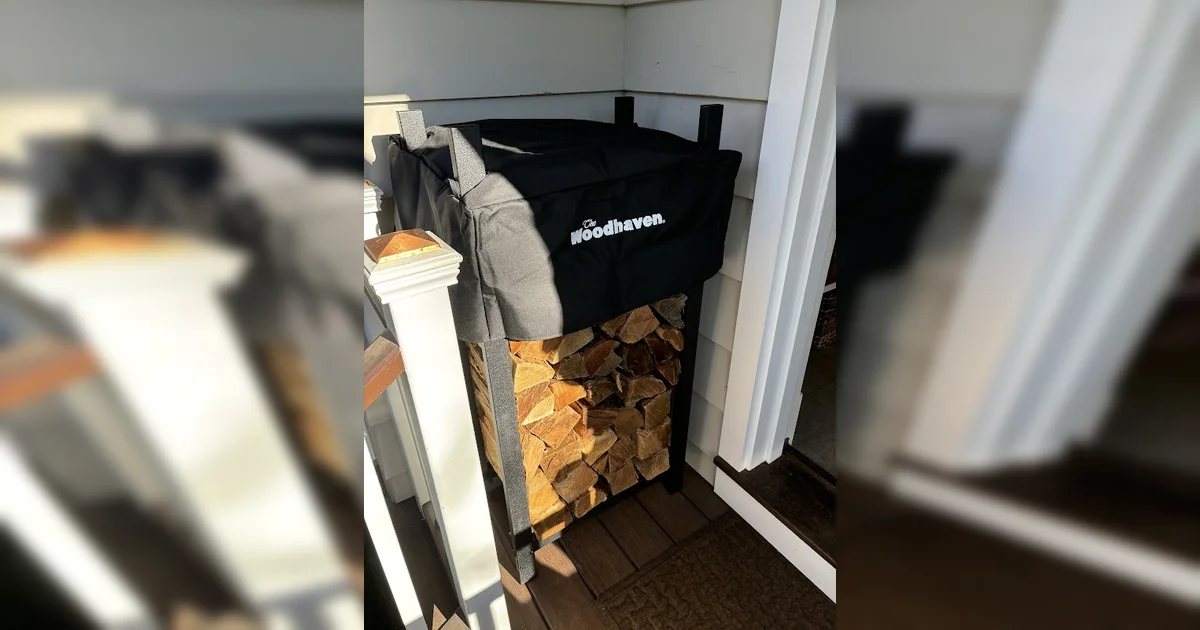
Storage matters more than many homeowners realize in Connecticut's variable climate. Don't stack against your house — you're inviting carpenter ants and moisture problems. Keep wood at least 20 feet from structures if possible, and definitely cover the top while leaving sides exposed for airflow. Those heavy canvas tarps or metal roof covers work better than plastic sheeting that traps moisture.
Finding the Right Supplier
When you're comparing suppliers, ask about moisture content first. If they can't give you a specific percentage or don't test it, move on. Next, confirm wood type — if they just say "mixed hardwood," push for specifics. Oak, maple, and beech are premium. Poplar and pine mixed in means you're not getting what you paid for.
Ask about their split size. Wood split to 16 inches fits most stoves and fireplaces. Some suppliers cut to 18 or 20 inches, which creates loading problems. For delivery, clarify where they'll stack it. Firewood delivered and stacked Connecticut services charge more, but if you're not physically able to move two cords yourself, it's money well spent. Most suppliers will dump in your driveway as standard, with stacking as an upcharge.
Delivery distance affects both cost and timing. A supplier 40 miles away might charge significantly more than one 15 miles away, or they might require minimum orders. When you order firewood near me, you're getting faster delivery, easier problem resolution if there's an issue, and you're supporting Connecticut's rural economy.
The directory on this site lists verified local suppliers throughout the state — from Stamford up through Simsbury and across to the Quiet Corner. You'll find options offering bulk firewood delivery for people heating all winter, or smaller amounts if you just run your fireplace occasionally. Many now provide online ordering, which lets you schedule delivery without phone tag.
Check supplier reviews carefully, not just star ratings. Look for comments about actual moisture content, whether they delivered the full amount, and how they handled any problems. A 5-star supplier who responds professionally to the occasional complaint is often better than a 4.8-star supplier who ghosts customers.
One last tip: order your firewood delivered to your door in spring or early summer for the following winter. You'll get better prices, better selection, and guaranteed delivery before suppliers get slammed with November panic orders. Split firewood delivered in May gives it months to finish seasoning in your shed, and you'll sleep better knowing you're ready when that first cold snap hits in October.
Browse the Connecticut suppliers in our directory to find verified local sources near you. You'll see what species they carry, whether they offer stacking, and how previous customers rated their deliveries. Most importantly, you're dealing with real local businesses who depend on reputation, not fly-by-night Craigslist sellers who might deliver green wood and disappear.

Marcus holds a degree in forestry and has consulted with firewood operations and state agencies on sustainable wood fuel practices since 2008.
Statewide Map
Browse by City
Bolton
1 suppliers
Branford
1 suppliers
Darien
1 suppliers
Easton
2 suppliers
Fairfield
1 suppliers
Goshen
1 suppliers
Guilford
1 suppliers
Higganum
1 suppliers
Jewett City
1 suppliers
North Stonington
1 suppliers
Pomfret Center
1 suppliers
Riverside
1 suppliers
Sharon
1 suppliers
Simsbury
1 suppliers
Southington
1 suppliers
Stamford
3 suppliers
Storrs
1 suppliers
West Simsbury
1 suppliers
Wilton
1 suppliers
Wolcott
1 suppliers