Firewood Suppliers Near AZ
Best Firewood Types in Arizona
In the Mogollon Rim and White Mountains areas, seasoned oak and juniper typically runs $300–$450 per cord delivered; piñon, which burns cleaner and is more aromatic, commands $400–$550 per cord in the Verde Valley and Flagstaff markets. Arizona's firewood market is almost entirely driven by elevation. The Mogollon Rim communities, the Verde Valley around Cottonwood and Sedona, and the White Mountains near Show Low and Pinetop experience genuine winters that justify wood heating. Phoenix-area buyers primarily want fire pit wood, while Flagstaff and Prescott buyers need full heating quantities.
When you're shopping for firewood in the Grand Canyon State, you'll want to match your wood choice to Arizona's unique climate and your heating needs. The desert environment affects how wood burns, and local species have distinct characteristics worth understanding.
Mesquite is Arizona's premium hardwood and for good reason. This dense desert wood burns extremely hot—around 28 million BTU per cord—and produces long-lasting coals perfect for overnight burns. The smoke has that distinctive sweet aroma many people love for cooking. Mesquite is pricier than other options, but a single log can burn for hours. It's overkill for ambiance fires but ideal when you need serious heat output.
Oak varieties grow in Arizona's higher elevations and deliver reliable, steady burns. Expect around 24-25 million BTU per cord. Oak produces minimal smoke once it's burning well and creates excellent coals. It's versatile enough for both heating and cooking. The catch? Oak needs proper seasoning—at least 12 months—or it'll hiss and pop from moisture content.
Juniper is widely available across Arizona and burns cleaner than you'd expect from a softwood. It lights easily, making it great for kindling or getting stubborn fires started. Juniper puts out a pleasant, slightly spicy scent. At around 21 million BTU per cord, it won't match mesquite's heat output, but it's typically more affordable and perfect for casual weekend fires.
Pine varieties grow in Arizona's mountain regions and serve a specific purpose: they're excellent fire starters. Pine ignites quickly thanks to its resin content, but burns fast and produces more creosote buildup in chimneys. Use pine to get your fire going, then switch to hardwoods for sustained heat. Never rely on pine alone for primary heating.
One concern Arizona residents should watch for: bark beetles have affected pine populations in northern regions. Dead standing pine can still be harvested and used, but make sure your supplier sources responsibly. The bigger worry is accidentally transporting invasive pests. Buy local wood and burn it where you buy it—Arizona has strict regulations about moving firewood across county lines to prevent spreading destructive insects like the goldspotted oak borer, which has devastated oak populations in San Diego County and could reach Arizona.
Buying Guide & What to Watch For
Let's talk about the face cord vs full cord issue, because this trips up newcomers constantly. A full cord is a stack 4 feet high, 4 feet deep, and 8 feet long—that's 128 cubic feet of wood. A face cord (sometimes called a rick) is only 16 inches deep instead of 4 feet, which means you're getting roughly a third of the wood. Both are legitimate measurements, but if someone quotes you a price for a "cord" and delivers a face cord, you've been overcharged by 200%.
Always confirm the exact dimensions you're buying. Reputable suppliers will specify "full cord" or tell you the stack dimensions. If the price seems too good for a full cord of seasoned hardwood, you're probably looking at a face cord listing.
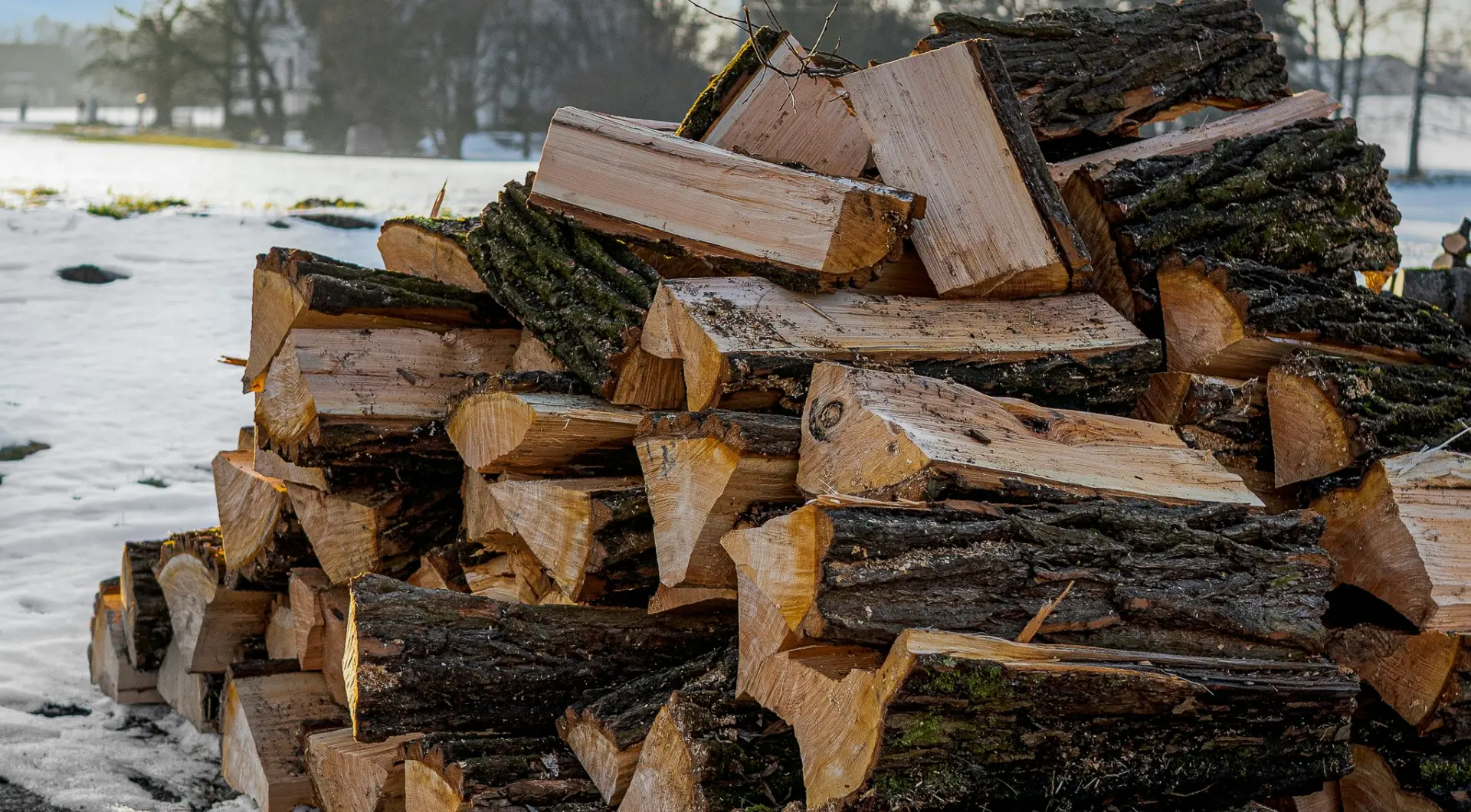
Properly seasoned wood is the difference between a clean, hot fire and a smoking, frustrating mess. Here's how to check: properly seasoned firewood should have moisture content below 20%. Ask suppliers if they test with a moisture meter—if they look confused, that's a red flag. The wood should feel noticeably lighter than green wood, with cracks (called "checking") radiating from the center of the cut ends. Bark should be loose or falling off. When you knock two pieces together, seasoned wood sounds hollow; green wood makes a dull thud.
Kiln dried firewood has been heated in a controlled oven to rapidly remove moisture, getting it down to 10-15% moisture content. You'll pay a premium—sometimes 50% more than air-dried seasoned wood—but kiln-dried lights faster, burns hotter, and produces virtually no smoke. For casual use, properly air-dried seasoned firewood works fine. Kiln-dried makes sense if you have a newer EPA-certified stove requiring very dry wood, or if you need to burn wood immediately without seasoning time.
In Arizona, expect to pay anywhere from moderate to premium rates depending on wood type and delivery distance. Mesquite commands top dollar. Pine and juniper run cheaper. Getting a cord of firewood delivered to suburban areas typically costs more than rural delivery due to fuel and time. Suppliers who offer firewood delivered and stacked will charge extra for that labor—usually worth it if you can't do the heavy lifting yourself.
Watch out for suppliers selling "mixed hardwood" without specifying species. Sometimes that means quality oak and mesquite. Other times it means whatever wood scraps they collected. Ask specifically what's in the mix.
Arizona-Specific Considerations
Arizona's dry climate is actually a gift for firewood buyers. Wood seasons much faster here than in humid regions. In the low desert, properly split wood can season in 6-8 months if stacked correctly with good airflow. Higher elevation areas with more precipitation need the traditional 12-month seasoning period.
The flip side? That same dry climate means you need to be extra careful about creosote buildup. When you burn unseasoned or resinous wood (like pine), vapors condense in your cooler chimney and form creosote—a flammable tar. In Arizona's dry conditions, chimney fires can spread fast. Have your chimney inspected and cleaned annually, especially if you burn softer woods.
Arizona has serious regulations about moving firewood, and for good reason. The goldspotted oak borer, emerald ash borer, and other invasive insects can hitchhike in bark and decimate local tree populations. State law restricts moving firewood more than 10 miles from where it was cut in some areas, and interstate transport is heavily regulated. When you order firewood near me in Arizona, you're not just supporting local business—you're protecting Arizona's forests.
Many suppliers now offer heat-treated or kiln-dried options that meet USDA certification for pest-free transport. If you're camping in a different region or need to move wood any distance, look for the USDA shield stamp or ask about treatment certification.
Temperature swings matter too. Northern Arizona sees legitimate winter freezes, while Phoenix rarely drops below 40°F. If you're in the high country around Flagstaff or Prescott, prioritize high-BTU hardwoods like mesquite and oak for efficient heating. In the Valley, you might only burn wood occasionally for ambiance, making juniper or mixed woods perfectly adequate.
Finding the Right Supplier
When you're ready to buy, here are the questions that separate quality suppliers from frustration:
What's the actual moisture content? Any supplier worth buying from tests their wood and can give you a number. "Seasoned" means different things to different people. Below 20% is what you want.
Which species am I getting? Specificity matters. "Hardwood mix" or "desert wood" could be anything. You want to know if you're getting mesquite, oak, juniper, or something else entirely.
What are the delivery minimums and fees? Some suppliers deliver free above a certain order size. Others charge based on distance. Get this clear upfront. If you want your firewood delivered and stacked, confirm that cost separately—it's worth it for a full cord but might be overkill for a face cord.
Will you stack it, or dump it? Bulk firewood delivery often means the driver dumps it wherever their truck can access. Stacking costs more but saves your back and keeps wood properly stored.
How far was this wood sourced? For pest prevention and quality, local is better. Wood cut within 50 miles was likely seasoned in similar humidity conditions to where you'll burn it.
What's your return policy? Quality suppliers stand behind their product. If the wood arrives soaking wet or measuring short, you should have recourse.
Buying local matters beyond just following pest regulations. Local suppliers know Arizona wood. They understand what mesquite should look and feel like when it's ready to burn. They know that split firewood delivered in Tucson needs different handling than wood delivered in Flagstaff. You'll get faster delivery, easier communication, and you're supporting your regional economy.
The directory on this site connects you with verified suppliers throughout Arizona. You'll find options for everything from kiln dried firewood delivery to bulk orders of seasoned oak, all from businesses that have proven they deliver what they promise. Browse suppliers in your area, compare options, and read reviews from other Arizona residents who've actually burned their wood.
Whether you need a face cord for occasional weekend fires or you're stocking up with multiple cords for winter heating, buying from established local suppliers means you'll know exactly what you're getting. Check moisture content, confirm dimensions, ask about delivery specifics, and you'll have quality firewood delivered to your door without the hassle or guesswork.

Sarah has 15 years of experience in the firewood industry, specializing in regional sourcing and supplier evaluation across North America.